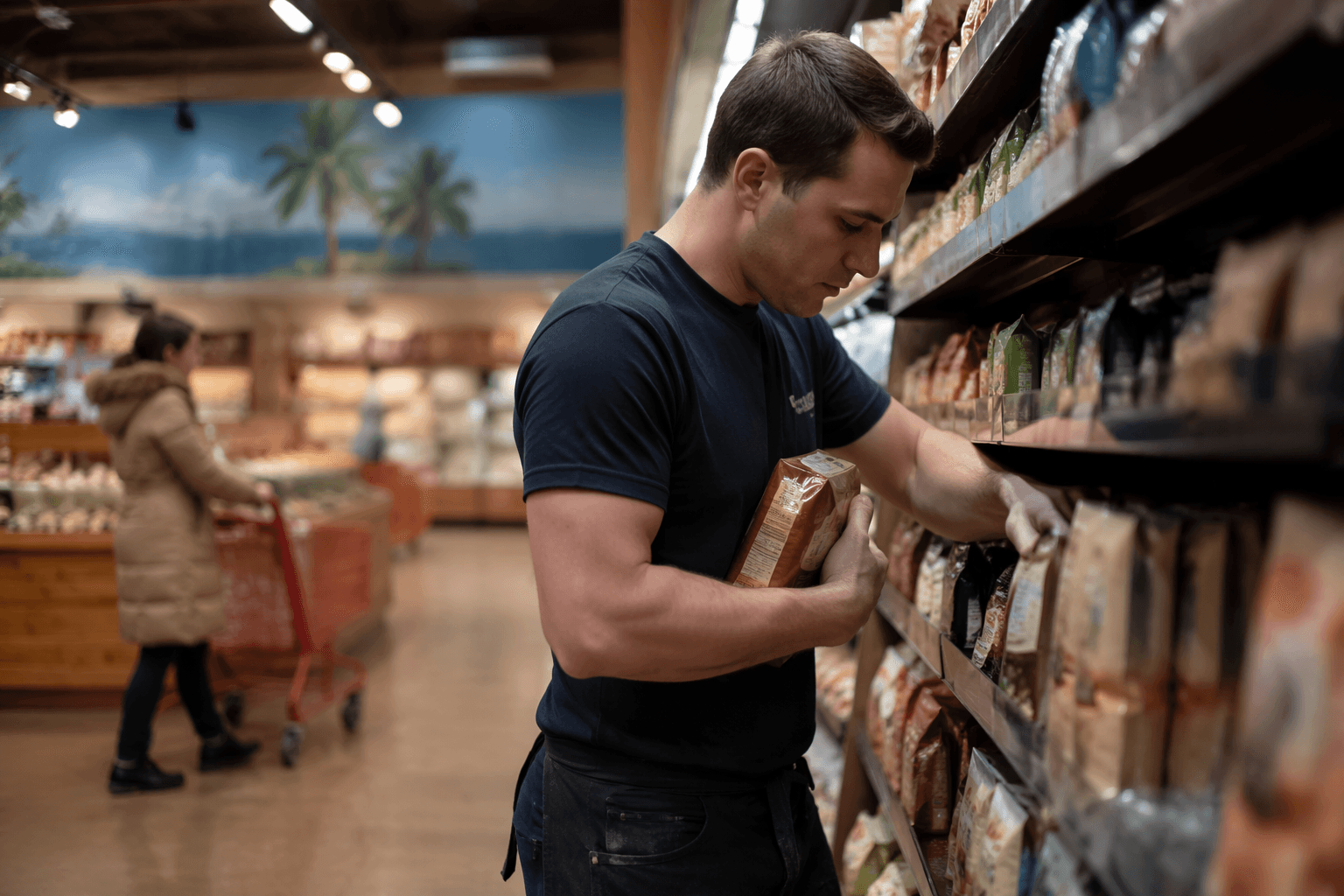
Trader Joe's shoppers may expect AI-powered grocery search next
Trader Joe’s may not join AI shopping tools soon, but shoppers shaped by DoorDash and Instacart could still bring new expectations to the sales floor.
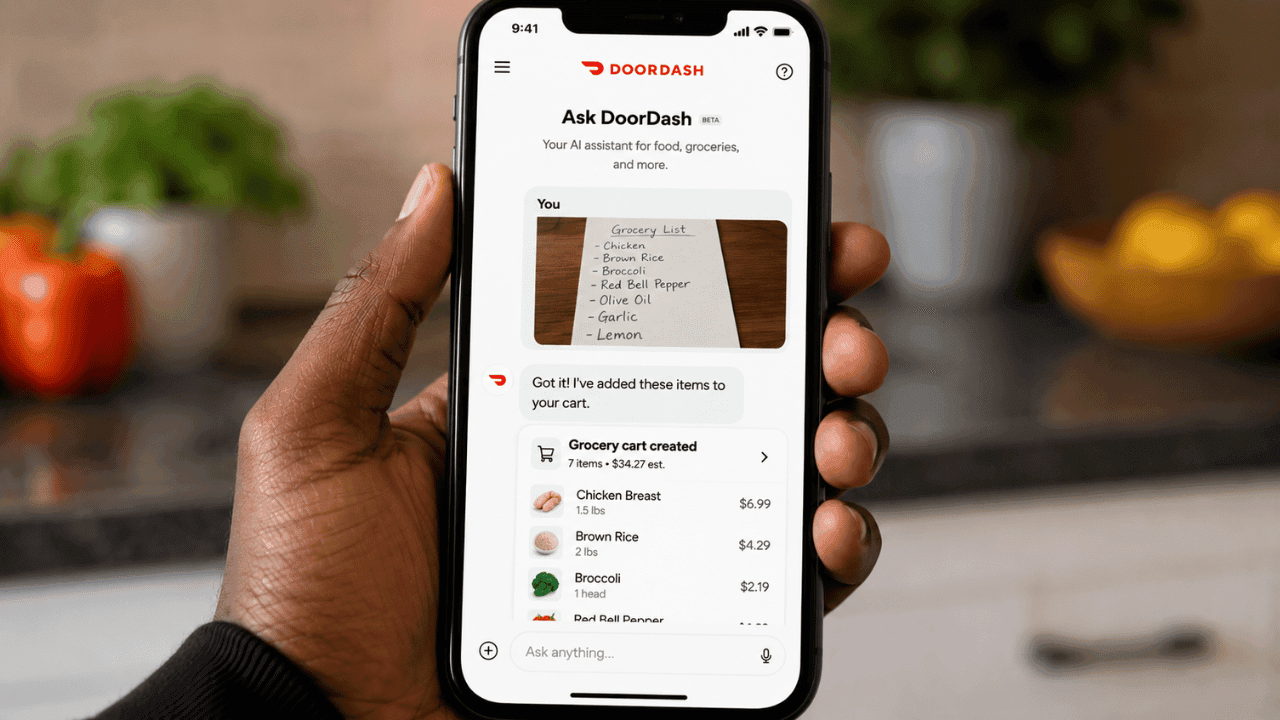
AI is starting to change how people think about grocery shopping, and the pressure may show up in stores long before it shows up on Trader Joe’s website. DoorDash launched Ask DoorDash, a chatbot that lets customers use photos and prompts to order food and groceries, while a separate report said 16 of the 18 grocers that can be shopped through ChatGPT are connected through Instacart. For Trader Joe’s crew, that means the bigger shift may be customer expectations, not new software behind the register.
Trader Joe’s has spent years making the opposite bet. In a 2023 CNBC interview, the company said the in-store experience is part of the draw for shoppers, and Grocery Dive reported that Trader Joe’s delivered in New York City for about 10 years before ending the service in March 2019 and never rolling it out elsewhere. The company’s own product pages still steer shoppers back to their neighborhood store, saying, “You won’t find every Trader Joe’s product represented on our website. The best place to go for information about our products is your neighborhood Trader Joe’s.” That keeps the store, not an app, at the center of the transaction.

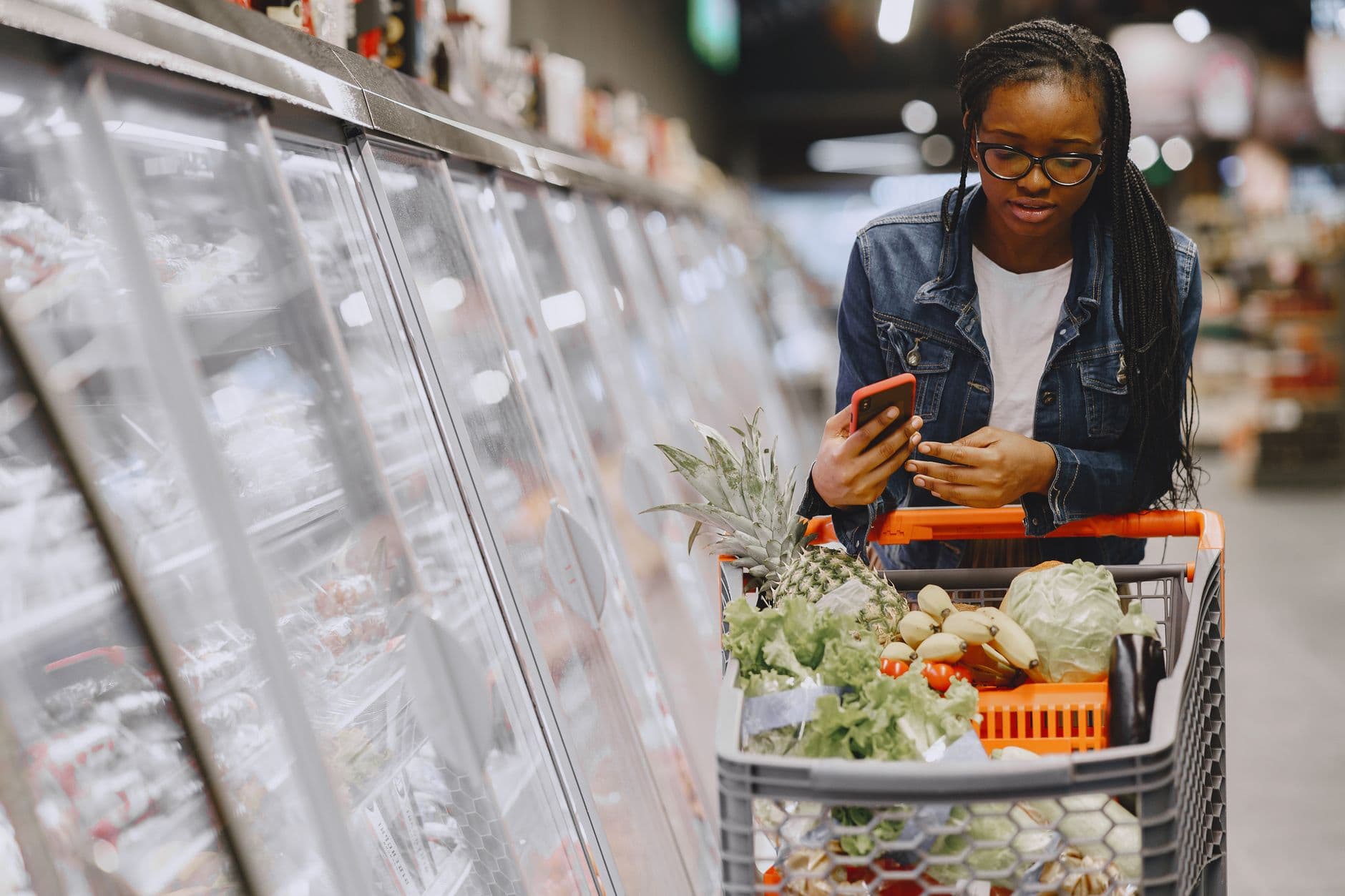
That matters because AI shopping tools tend to promise speed, comparison and convenience. Instacart announced AI Solutions in November 2025, including an assistant aimed at personalized meal planning, budgeting and product recommendations. As more shoppers get used to asking a chatbot to build a cart or identify something from a photo, Trader Joe’s crew may hear more questions that start with, “I saw this online,” and end with a shelf search, a substitution issue or a complaint that the store does not work like the app.
The first pressure points would likely fall on front-end coordination, customer service and inventory-minded crew on the floor. Cashiers and mates already manage questions about product placement, stock and alternatives, and AI-shaped shopping habits could make those interactions more frequent and more exacting. Trader Joe’s says it has been “transforming grocery shopping into a welcoming journey full of discovery and fun since 1967,” and its podcast materials say more than 80% of the products it sells are private label. That model rewards crew knowledge, but it also means any gap between a shopper’s digital expectation and what is actually in the aisle lands on the people in the store.
Trader Joe’s store-search pages and locations directory still frame the chain as a physical neighborhood retailer, and its Contact Us page says listening to customers and crew members guides improvement. That leaves the company with a familiar Trader Joe’s question in a new form: whether it wants to stay outside the AI shopping race, or whether shoppers will start treating the sales floor like a chatbot that has to know everything on demand.
This article was produced by Prism’s automated news system from verified source data, official records, and press releases, then run through automated quality and moderation checks before publishing. The system is built and supervised by the people who set the standards it runs under. Read our full AI policy.
Did this article answer your question?