Trader Joe's shoppers still feel inflation pressure as grocery prices rise
Grocery inflation stayed sticky at 2.7%, and Trader Joe’s crews are fielding more price and size questions as shoppers defend every dollar.

Food-at-home prices rose 0.1% from April to May and were 2.7% higher than a year earlier, keeping grocery bills near a stubborn plateau and putting Trader Joe’s crew members in the middle of almost every price conversation on the floor. The U.S. Bureau of Labor Statistics said the food-at-home index climbed 0.1% in May, while the broader food index rose 0.2%.
That pressure shows up in ordinary questions at the register and on the aisles: why a favorite item costs more, whether a smaller package is still worth it and when a sold-out product will return. Trader Joe’s has long sold itself less as the cheapest basket in town than as a place with a sharp quality-to-price ratio. The company says it is committed to “outstanding value” and “the best quality products at the best everyday prices,” and its product FAQ says private-label items are chosen only after tasting and sold only if they are “extraordinary.”
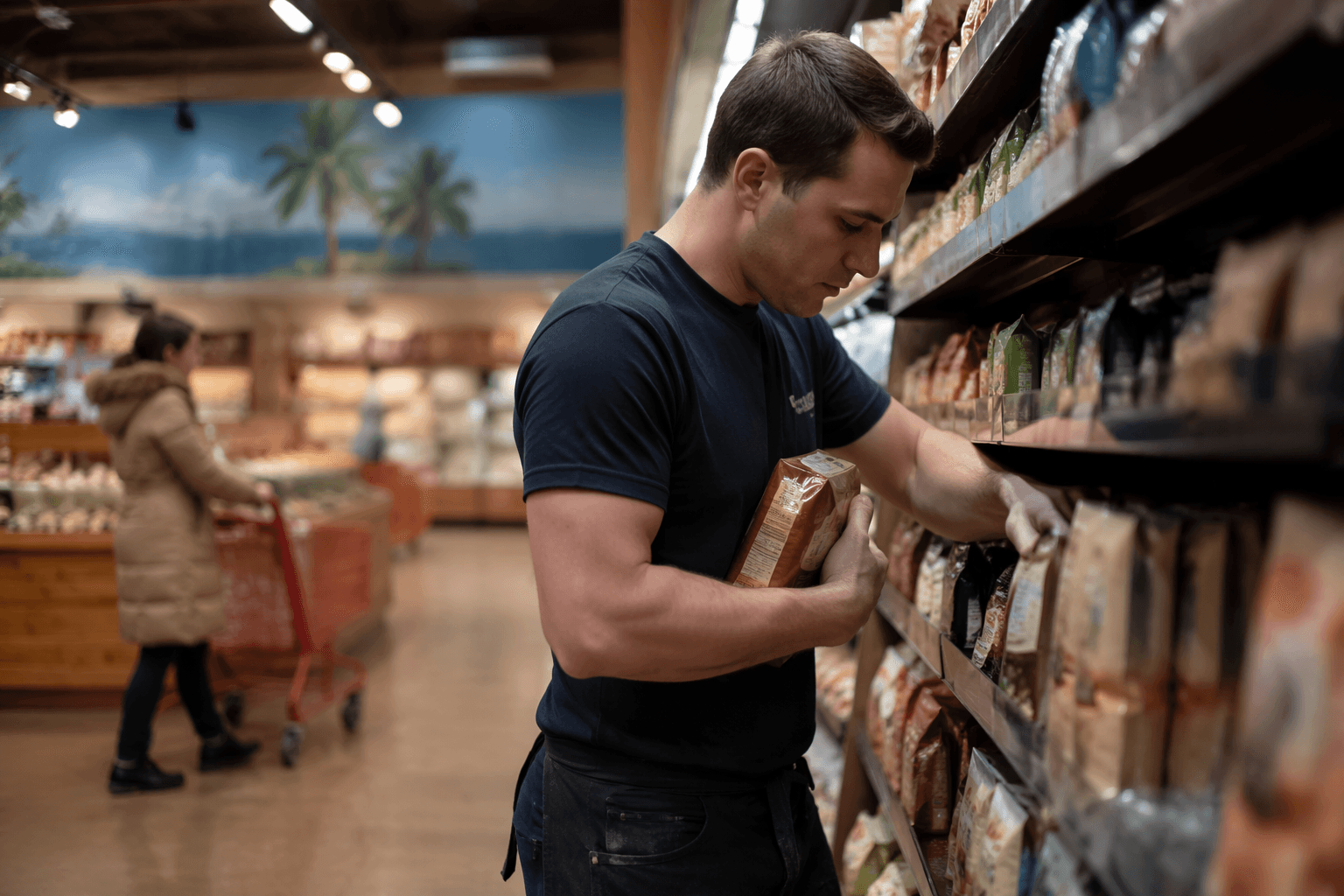
The chain’s structure helps explain that pitch. Trader Joe’s says more than 80% of what it sells is private label, and it says it does not collect slotting fees. That gives the company a tightly curated assortment and leaves crew members to do more than scan groceries. On the floor, employees are the ones explaining why a seasonal snack is worth the price, why an unusual import may cost more than a conventional version and why a limited run can sell out fast without feeling like a gimmick.
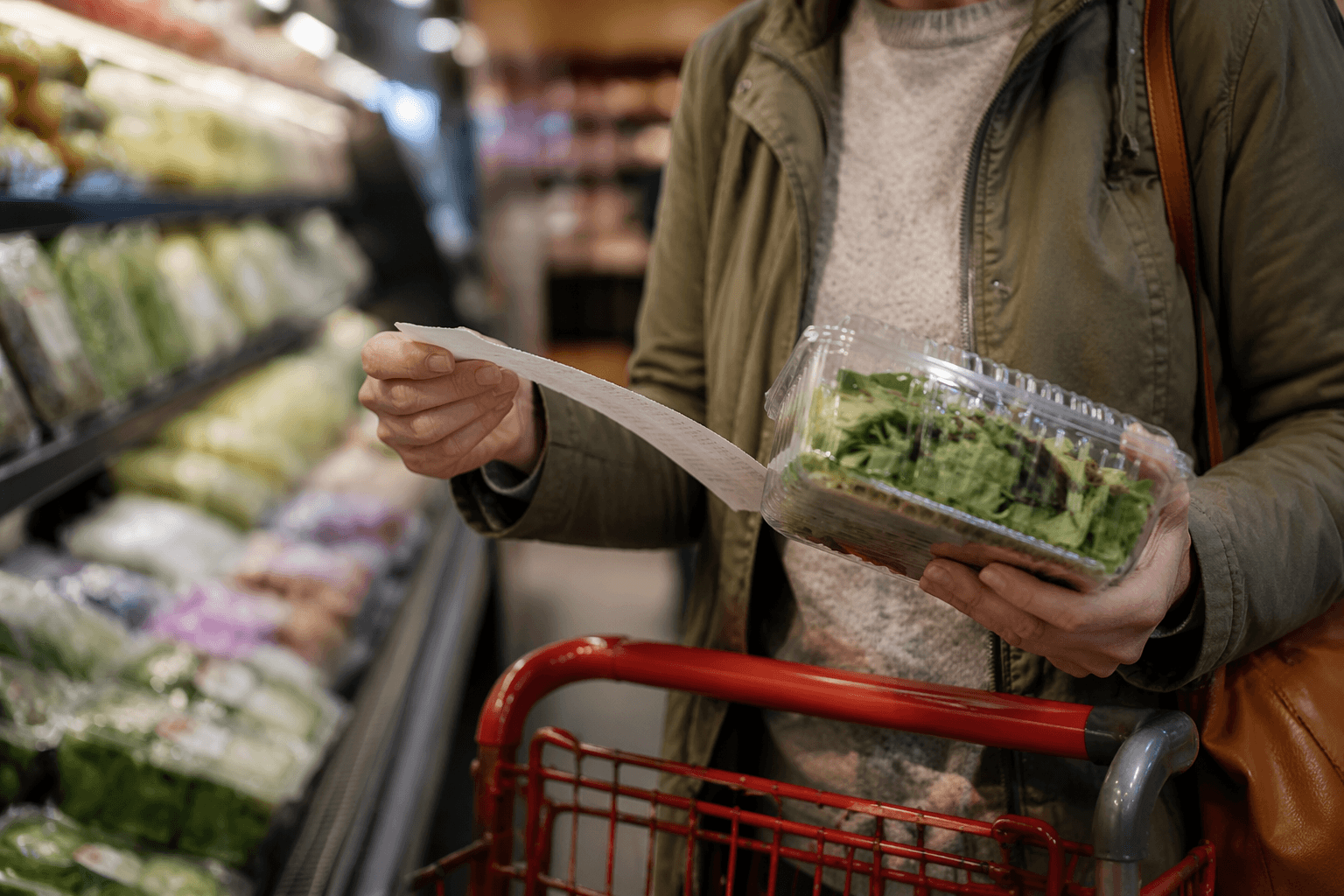
The pressure is not limited to one grocery trip. The Consumer Financial Protection Bureau says buy now, pay later products remain a popular financing choice and the market continues to expand, while J.D. Power said BNPL use grew significantly year over year in 2025, especially during the holiday season. That suggests shoppers are stretching budgets in more complicated ways than a simple switch to cheaper brands.
Trader Joe’s has still kept growing. In a 2025 year-ahead note, the company said it expected dozens of store openings and said customers bought more than 13 million packages of Kimbap. Recent coverage put the chain at more than 600 locations, after it opened more than 30 stores in 2024 and had another dozen in the pipeline for 2025.

For crew members, the value story is tied to the employment story as well. Trader Joe’s says crew members may receive up to a 20% store discount, and eligible health-plan contributions can be as low as $25 a month. Trader Joe’s United describes itself as an independent union founded and powered by workers, and National Labor Relations Board case records show multiple Trader Joe’s matters filed and later closed in 2025 and 2026. At a chain built on curation and personality, the daily work of selling value now matters even more at the shelf edge and at the register.
This article was produced by Prism’s automated news system from verified source data, official records, and press releases, then run through automated quality and moderation checks before publishing. The system is built and supervised by the people who set the standards it runs under. Read our full AI policy.
Did this article answer your question?