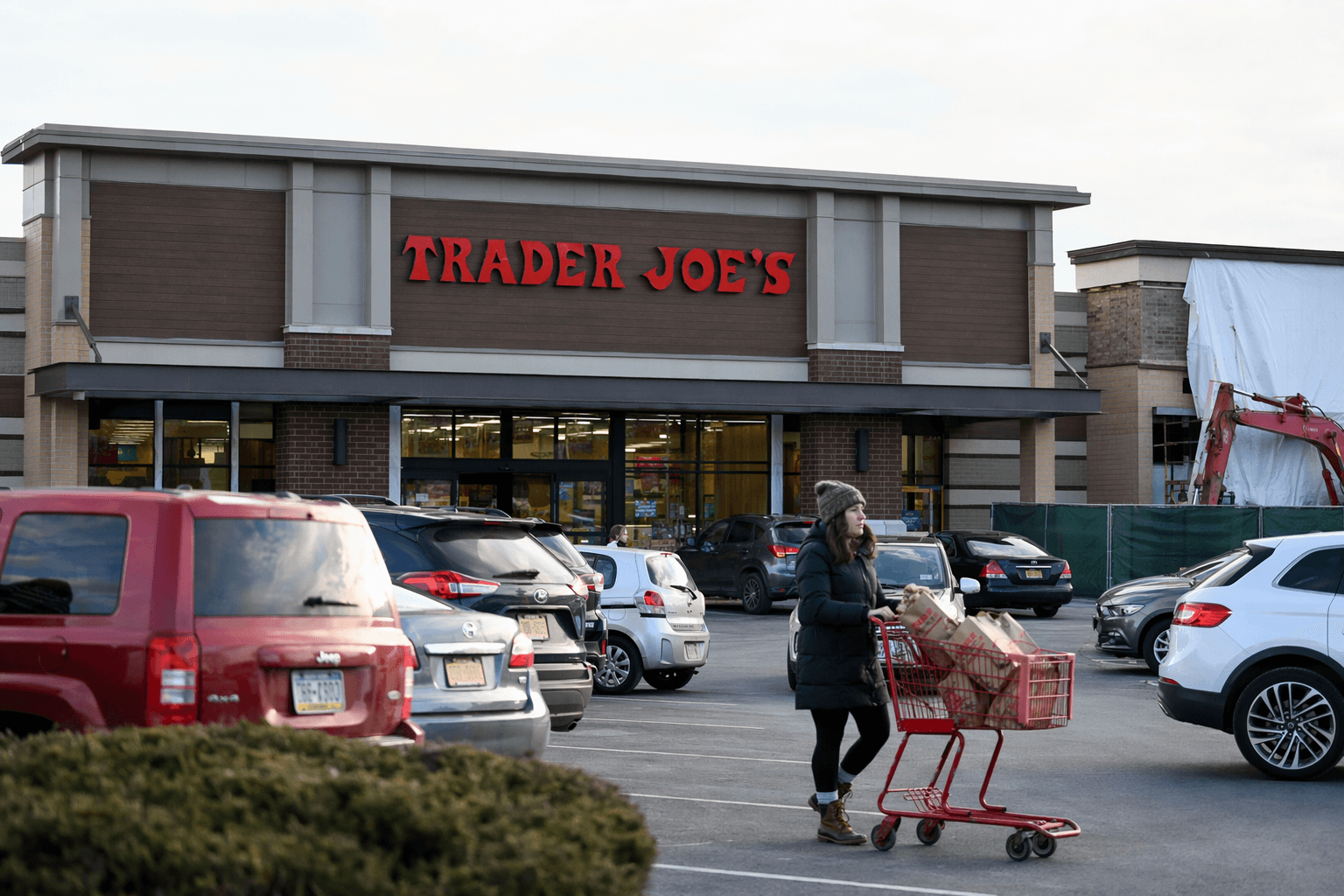
Trader Joe's workers have protected rights in union talks, NLRB says
Crew can talk pay, schedules and union support, and can also opt out. At Trader Joe’s, that matters as four stores already unionize and Chicago tied 70-70.

Section 7 gives Trader Joe’s crew a clear floor on the next shift: they can talk together about wages, hours, benefits, scheduling, paid time off, turnover and other working conditions, and they can also choose not to join the conversation at all. The National Labor Relations Board says employers may not interfere with those rights, which makes the line between a normal store discussion and an unlawful response a real workplace issue, not a legal footnote.
That matters at Trader Joe’s because the company’s first union victory came at the Hadley, Massachusetts store on July 28, 2022, when workers voted 45-31 to unionize. There were 81 eligible voters and one void ballot, and the shop became the first Trader Joe’s location in the country to form a union. Trader Joe’s United now says it represents four unionized stores: Hadley, Minneapolis, Louisville and Oakland.
For a crew member, the practical protection is simple. Two workers can compare pay rates after closing, discuss whether schedules are getting worse, or organize a shared complaint about staffing, benefits or safety without needing management’s permission. A worker can also decline to sign a petition, skip a union conversation or say plainly that union activity is not for them. That choice is protected, too.

The other side of the line is just as important. The NLRB says an employer may not threaten employees, interrogate them, spy on pro-union workers or promise benefits if they abandon the effort. In a retail store, that can mean a supervisor asking who is behind the organizing, suggesting a better schedule will follow if workers stop talking union, or watching closely to see which crew members meet off the clock. Those are the kinds of pressure points the law is meant to stop.
Trader Joe’s organizing has not stayed confined to one store. Workers at the North Center location in Chicago filed for a union election in April 2024, saying they wanted a bigger say over pay, benefits and working conditions. That election ended in a 70-70 tie, with one challenged ballot and 154 eligible voters. Even after the vote, the broader fight continued across the chain.

The Hadley store shows how long the aftershocks can last. More than two years after the 2022 win, it still did not have a contract. In 2024, a petition was filed to decertify the union, and the NLRB dismissed that effort. Trader Joe’s has also faced multiple NLRB charges and complaints in Oakland, Chicago, Philadelphia, Louisville and Houston, including complaints involving retaliation, interrogation, captive-audience meetings and dress-code restrictions on union expression.
For Trader Joe’s workers and managers alike, the lesson is direct: employees can act together, speak up about working conditions, or stay out of the campaign entirely, but store leadership cannot lawfully punish that choice.
Know something we missed? Have a correction or additional information?
Submit a Tip