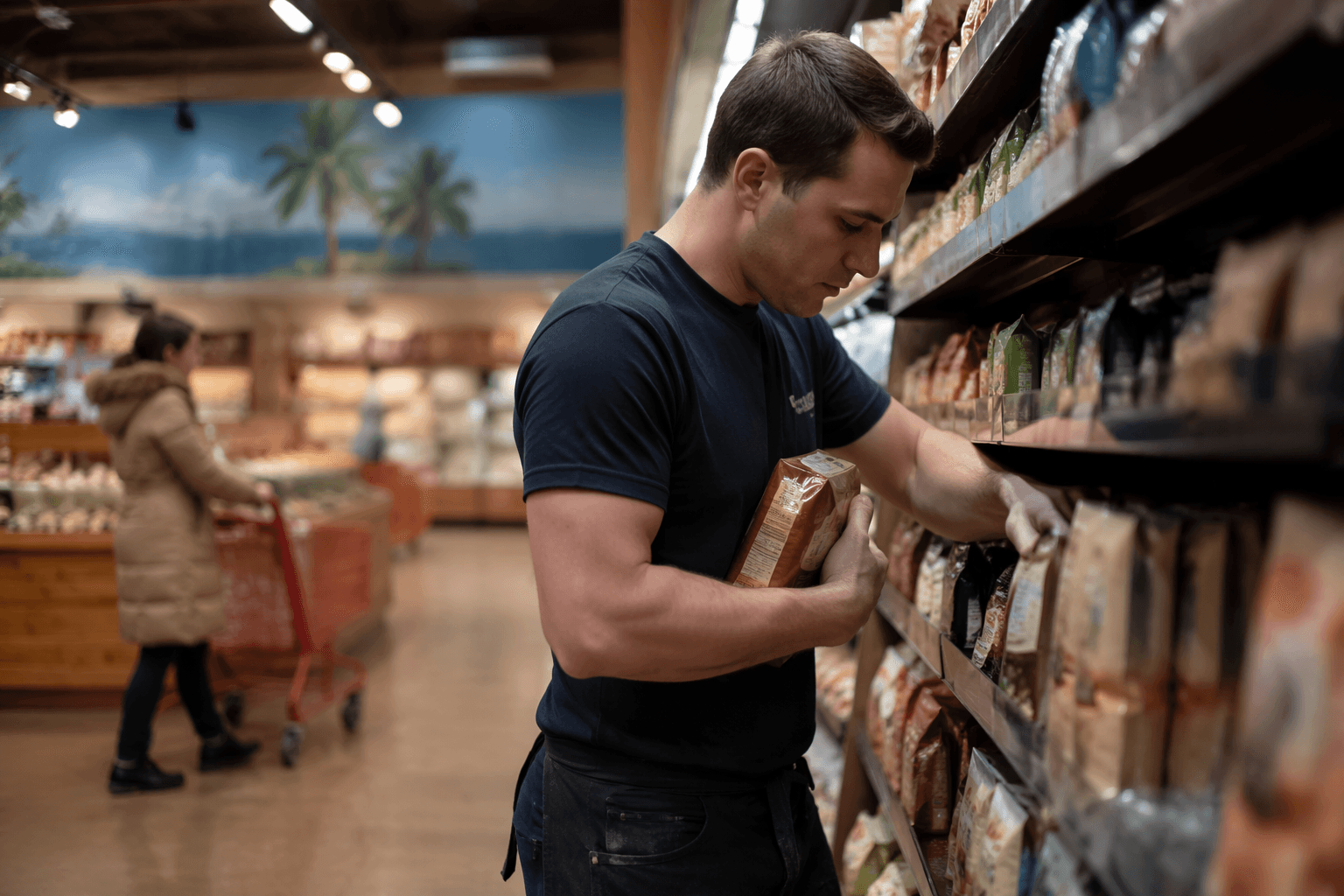
Trader Joe's workers weigh efficiency gains as automation reshapes daily tasks
Trader Joe’s tech is changing the job more than replacing it, pushing crew members from counting and scanning toward customer help, data checks, and faster problem solving.
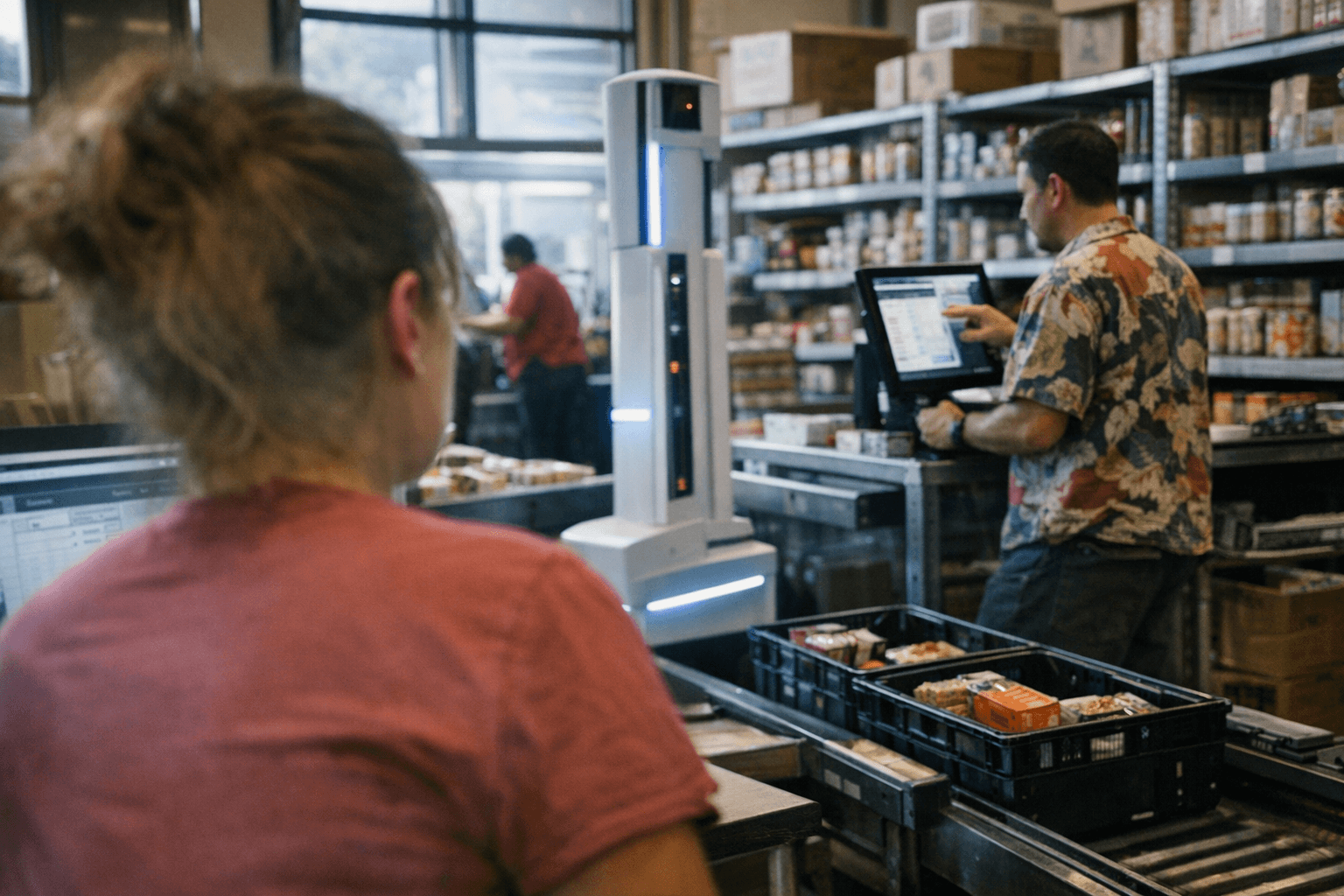
Automation is changing the shift, not removing it
Self-checkout, handheld devices, electronic shelf labels, AI-assisted forecasting, and automated inventory tools all promise cleaner operations. At Trader Joe’s, though, the real story is not whether the store has technology. It is how that technology changes the split between tedious work and the human work crews are known for: product knowledge, friendly service, and quick fixes when something goes wrong.
That shift matters because grocery is still a service business, even when the back end gets more digital. If a system takes over part of the manual counting, the job does not vanish. It moves toward verifying the numbers, correcting mistakes, and stepping in when the software and the shelf do not agree. In other words, tech can reduce some low-value labor, but only if it truly saves time rather than adding another layer of tasks to an already packed shift.
What gets easier, and what gets harder
The clearest upside is in repetitive work. Automated inventory tools and AI-assisted forecasting can cut down the amount of time crews spend on manual checks and guesswork, while electronic shelf labels can reduce the stop-and-start burden of changing prices by hand. Handheld devices can also make it faster to track stock, look up information, or catch a gap before a customer does.
But those gains only show up if the tools are reliable and the store has enough support to use them well. When systems are clunky, workers end up doing the same job twice: first entering or scanning the information, then fixing the errors the tool produced. That is how “efficiency” can become a pace-pressure story on the floor, with crew members moving faster but not necessarily working smarter.
For employees, the practical question is simple: does the new system actually remove work, or does it just move the work around? A handheld scanner is helpful when it speeds up decisions. It is frustrating when it turns every shift into a constant cycle of checking, correcting, and documenting.
Training becomes part of the job
As stores add more digital tools, training stops being a one-time event and becomes part of daily life. A handheld scanner or inventory app only helps if crew members understand what the data means and trust it enough to act on it. Without that confidence, the tool becomes one more thing to learn under pressure, not a real aid on the floor.
That changes what good performance looks like. It is no longer just about moving fast or knowing where products are. It also means knowing how the system works, spotting when a number looks wrong, and understanding when to rely on the tool and when to rely on judgment. In a store like Trader Joe’s, where speed and warmth have always had to coexist, that is a different kind of skill set, not a smaller one.
This is where the opportunity and the annoyance tend to split. If the technology is introduced with enough support, it can free up time for customer help and merchandising. If it arrives with little explanation, it simply adds cognitive load to the shift.
The culture risk is real
Trader Joe’s has long stood out for a very human, conversational style of retail. That matters because the chain’s appeal is built not just on products, but on people who can talk through a cheese, recommend a snack, or help a shopper navigate a crowded aisle without making it feel transactional.
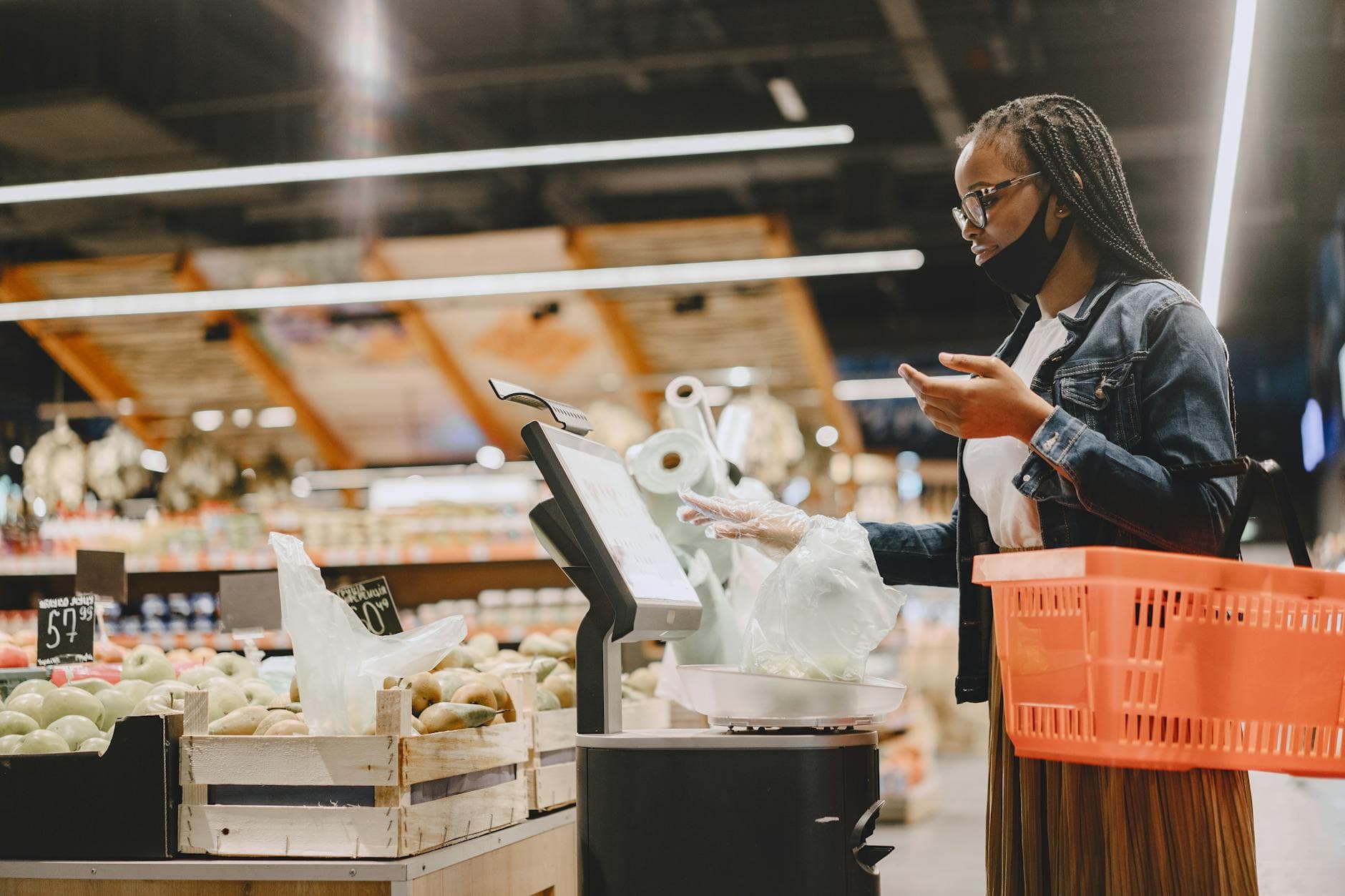
That is why automation raises a culture question, not just an operations question. Crew members may worry that the store becomes less personal if speed and measurement start to dominate the job. They may also worry that performance gets judged too narrowly, with the work reduced to how quickly a shift is processed instead of how well the store serves customers.
The healthiest version of retail tech does the opposite. It creates more room for the parts of the job shoppers actually notice: product knowledge, friendly service, clean merchandising, and fast problem solving. Tech should support the crew, not flatten the culture that makes the store feel like Trader Joe’s in the first place.
What this means on the floor
For crew members, the biggest immediate changes are likely to show up in small but constant ways. Less manual counting. More checking data. Less time spent hunting for stock by instinct alone. More time spent figuring out why the system says one thing and the shelf says another.
That changes how a shift feels in three concrete ways:
- Pace pressure can rise if the same number of people are expected to do more coordination work.
- Customer interaction can improve if tech removes some drudgery and gives employees more time to help.
- Surveillance anxiety can grow if tools are used mainly to measure speed instead of making the job easier.
The last point matters because workers can tell the difference between helpful technology and technology that just watches them work harder. If the store uses digital tools to support judgment, the job becomes more flexible. If it uses them mainly to tighten control, the atmosphere shifts quickly.
The new job security skill is adaptability
For job seekers and current employees, the takeaway is practical: learn the tools, understand how data drives decisions, and be the person who can adapt when systems change. That is not a soft skill anymore. In retail, comfort with technology is increasingly part of career security.
At Trader Joe’s, that means the strongest crew members will be the ones who can do two things at once: keep the old-school service model alive and operate comfortably inside a more modern workflow. The stores that get this right will use automation to remove the dullest work, not the most human parts of the job. The stores that get it wrong will end up with faster systems, slower morale, and a crew that spends more of the shift fixing the tools than serving the shopper.
This article was produced by Prism’s automated news system from verified source data, official records, and press releases, then run through automated quality and moderation checks before publishing. The system is built and supervised by the people who set the standards it runs under. Read our full AI policy.
Did this article answer your question?