Trader Joe’s workers: what federal law requires on pay and breaks
Federal law sets the floor on Trader Joe’s pay and breaks, but the real rules often change once a shift runs long, a meal is missed, or a store crosses state lines.
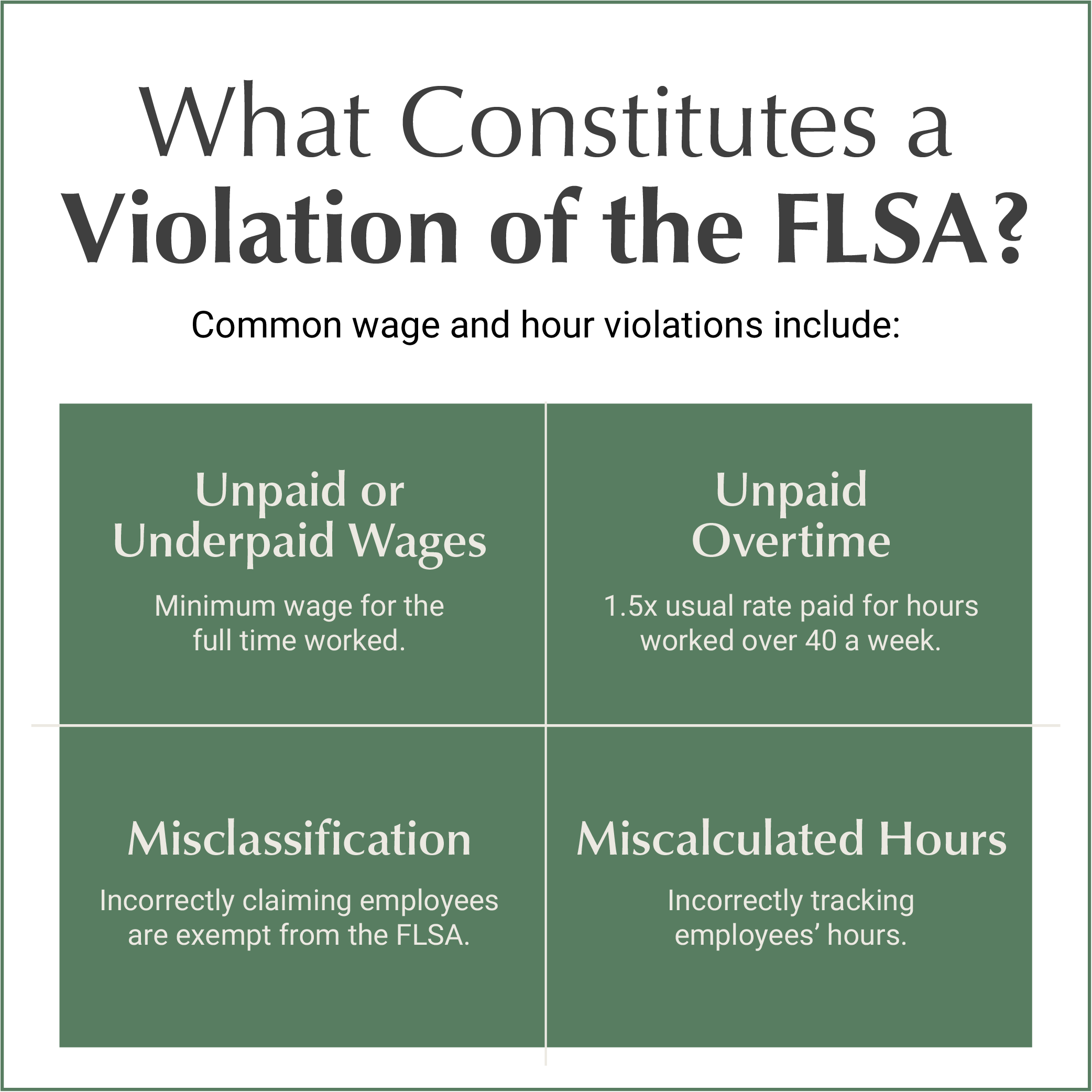
Federal law does not require lunch or coffee breaks for Trader Joe’s workers. The Fair Labor Standards Act controls minimum wage, overtime, recordkeeping, and child labor standards, but break rules, scheduling penalties, and some pay questions depend heavily on state and city law. At Trader Joe’s, company practice and legal obligation can diverge from one store to the next.
The federal floor on pay
The central federal pay rule for hourly Trader Joe’s workers is overtime. Under the Fair Labor Standards Act, covered nonexempt workers must receive overtime pay at not less than one and one-half times the regular rate after 40 hours in a workweek. That rule turns on hours actually worked, not on how busy the store felt, how short the staffing was, or whether the shift ran late because a truck arrived or a display needed to be reset.
The federal minimum wage remains $7.25 an hour, effective July 24, 2009. That number is the legal floor under federal law, not a statement about what a national grocery chain like Trader Joe’s may choose to pay in practice. The FLSA applies to full-time and part-time workers in the private sector as well as in federal, state, and local governments.
What happens when the shift runs long
If you are asked to stay after your scheduled time to finish stocking, cover a register, help with a spill, or keep a closing task moving, those extra minutes count if they are hours actually worked. Once the total for the workweek passes 40, federal law requires overtime for covered nonexempt employees at time and a half.
Managers should treat end-of-shift changes as a pay issue, not just a staffing issue. A worker who stays 15 or 30 minutes late several times in a week can add up to overtime quickly, especially in a store where the pace rises around holidays, big product drops, or weekend traffic. Trader Joe’s operates nationally, and the same crew role can be scheduled differently from one market to another.
Breaks: the federal rule is thinner than most workers think
Under federal law, the existence of a break at Trader Joe’s is often a company-policy question unless state law says more. Employers must provide reasonable break time and a private space for nursing mothers to express breast milk for one year after the child’s birth.
There is an important pay distinction inside break law. Short breaks, usually lasting about 5 to 20 minutes, are generally compensable work time under federal law. Bona fide meal periods are not counted as work time. In practice, that means a quick paid break to grab water, handle a task, or catch your breath is usually treated differently from a true meal break long enough to be off the clock.
For crew members on a busy floor, the question is whether a break was actually uninterrupted and properly recorded. For managers, the compliance habit is simple: track the clock carefully, make sure meal periods are real meal periods, and do not treat a short break as unpaid time.
Schedules, last-minute changes, and reporting pay
Trader Joe’s workers are often dealing with more than a standard weekly schedule. State and local scheduling laws can create reporting pay or predictive scheduling penalties when shifts are changed or canceled with insufficient notice, and those payments can carry special overtime-treatment rules. Those laws often apply to retail, hospitality, and food-service employers, which includes grocery workers.

If a shift is dropped at the last minute, shortened after you have already shown up, or changed without enough notice, the answer may depend on where the store is located. A store in Seattle operates under a very different scheduling framework than one in another state, and a Trader Joe’s location in California operates under different local protections than one in Kentucky or Massachusetts.
In research on Seattle’s Secure Scheduling Ordinance, the Department of Labor surveyed hourly workers employed at businesses covered by the ordinance to evaluate how predictable scheduling affected their work schedule experiences.
Why Trader Joe’s is a meaningful test case
Workplace rules and organizing have been active issues across the chain. Trader Joe’s United is an independent labor union founded and led by Trader Joe’s workers. The union says four stores are represented: Hadley, Massachusetts, Oakland, California, Louisville, Kentucky, and Minneapolis.
The Hadley store was the first to unionize in 2022. National Labor Relations Board records show a union-related unfair-labor-practice case at Trader Joe’s East in Hadley was filed on June 2, 2022, and a decertification petition was later filed there on July 31, 2024. A separate NLRB case involving Trader Joe’s in Chicago documents a bargaining unit of full-time and regular part-time crew members and merchants.
What to watch in a multi-state Trader Joe’s system
Trader Joe’s footprint spans states and cities with different labor rules. The company announced on June 12, 2026 that all stores would close at 5 p.m. on Saturday, July 4, 2026, across the chain even as local labor rules differ. Trader Joe’s had 656 U.S. locations as of June 23, 2026, with California alone accounting for 208 stores.
For hourly workers, that spread means three things matter every week:
- Track every minute you work, especially when a shift runs over.
- Know whether a missed or shortened break is protected by state law, not just company policy.
- Check whether your city or state has predictive scheduling or reporting pay rules that add protections beyond the federal baseline.
This article was produced by Prism’s automated news system from verified source data, official records, and press releases, then run through automated quality and moderation checks before publishing. The system is built and supervised by the people who set the standards it runs under. Read our full AI policy.
Did this article answer your question?