Walmart batches restaurant orders with grocery delivery on Spark
Walmart is bundling restaurant orders with grocery delivery on Spark, turning convenience into a broader last-mile battle that puts new pressure on store-level service.
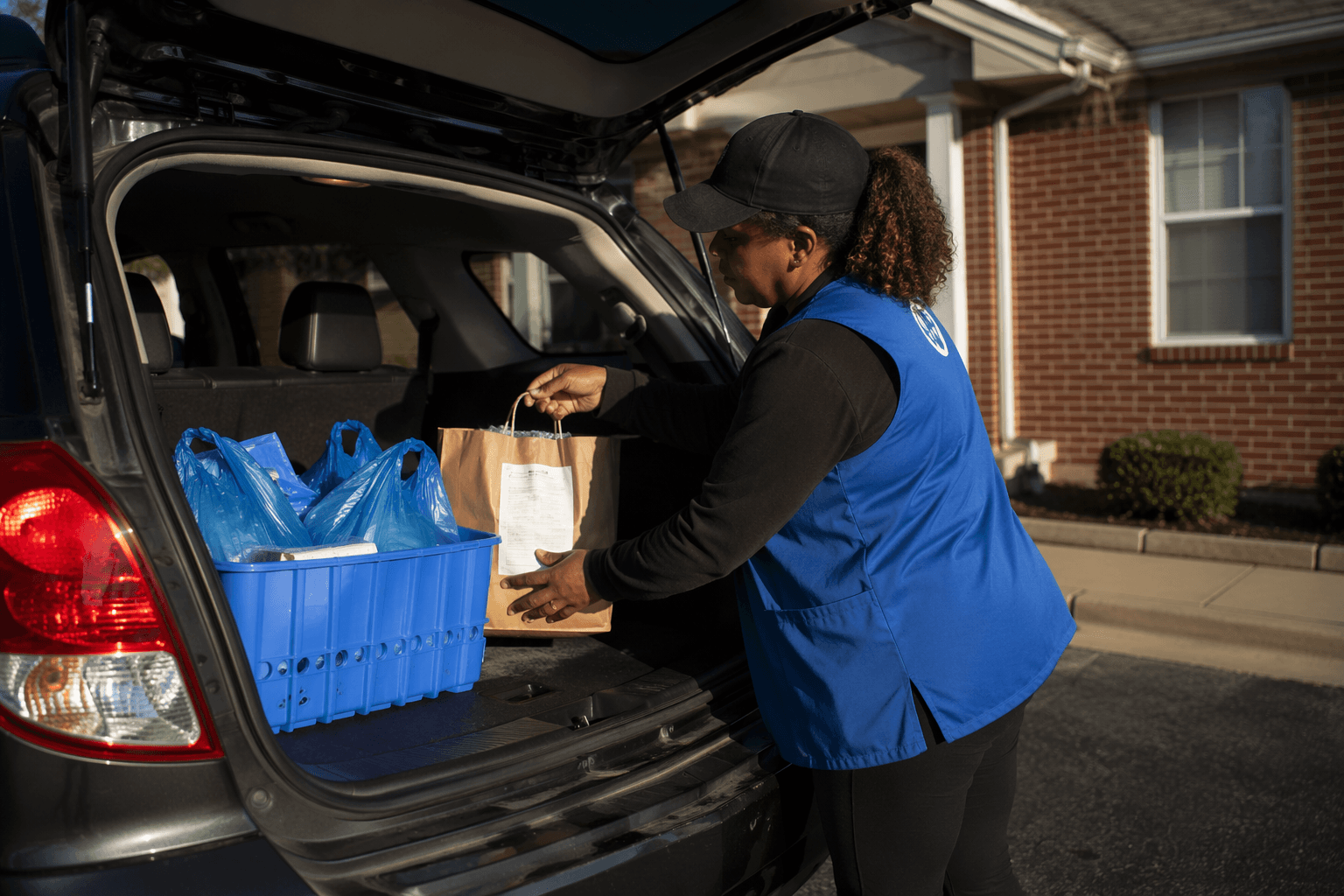
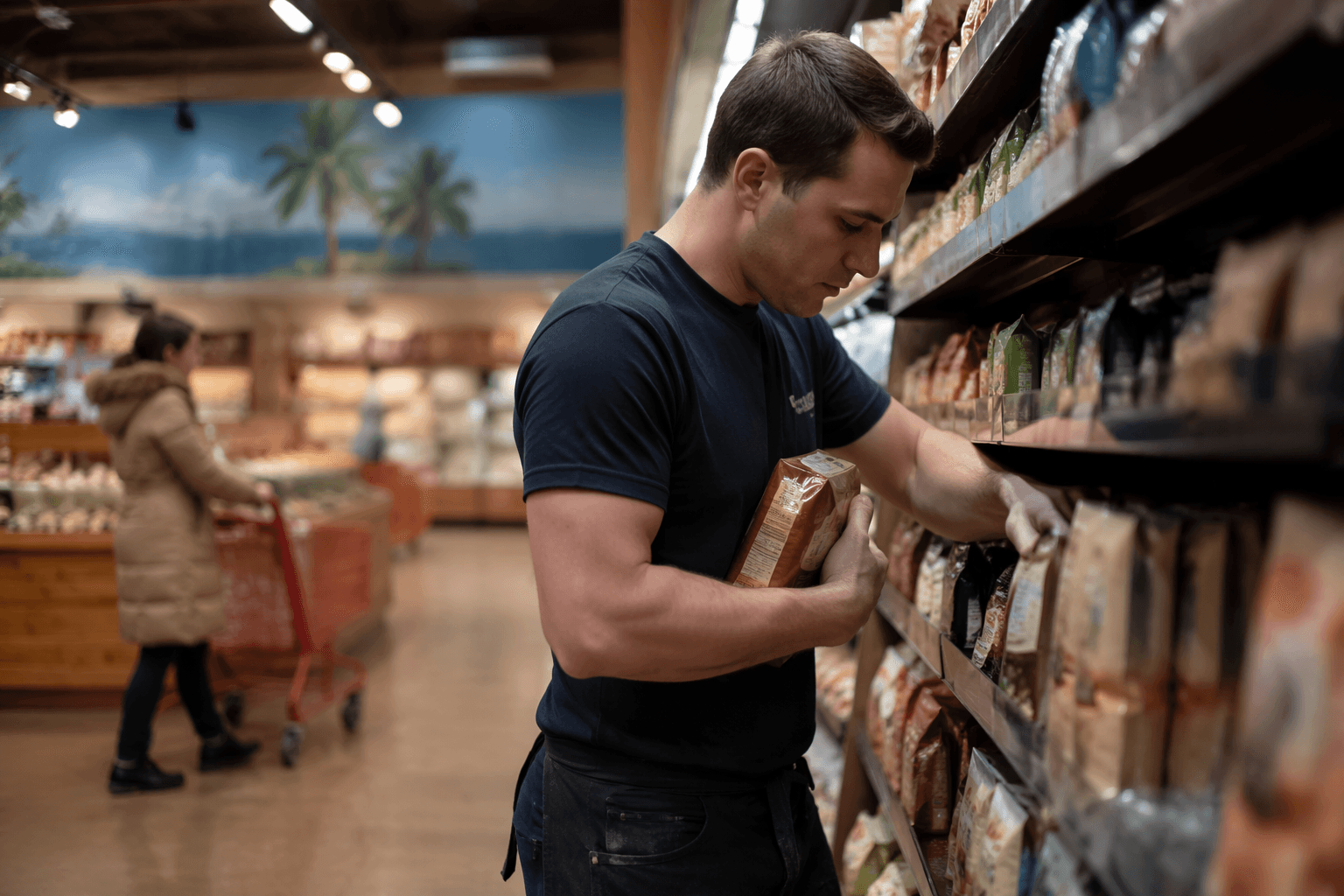
Walmart has pushed Spark into a sharper version of convenience competition: grocery, merchandise and now some restaurant delivery orders can ride the same delivery network. For Trader Joe’s crews, the shift matters less as a delivery threat than as a signal that shoppers are judging every store on speed, ease and the quality of the in-person experience.
On May 20, Supermarket News reported that Walmart was combining some restaurant delivery orders with grocery and merchandise deliveries through Spark. Business Insider said some of those orders came from eateries inside Walmart stores, including McDonald’s and Dunkin’, and that some restaurant orders could be batched with Walmart merchandise orders. The immediate goal is simple enough: fill more vehicle routes with more kinds of orders. The larger effect is to make Walmart’s app and store network feel like one giant errand machine.
That matters for Trader Joe’s because the chain has chosen almost the opposite model. Its general FAQ says it does not sell products online, does not offer curbside pickup or delivery, and does not work with third-party delivery services such as Instacart or Dumpling. Trader Joe’s says that position is tied to its in-store value and shopping experience, built around knowledgeable, friendly Crew Members and a format it says has been transforming grocery shopping since 1967.
The pressure from Walmart is not that Trader Joe’s should copy Spark. It is that the chain has to defend the parts of the store that make shoppers feel the trip was worth it. If competitors can bundle dinner, household basics and even restaurant food into one delivery route, then the in-store version has to be faster, cleaner and easier to navigate. Checkout speed, shelf condition and crew product knowledge become more than service standards. They become the core of the business case.
The timing also brings labor scrutiny. Walmart agreed in February 2026 to a $100 million Federal Trade Commission and state settlement over allegations tied to Spark Driver pay disclosures. That settlement puts extra attention on the worker side of any delivery expansion, even as Walmart keeps widening what Spark can do. Walmart launched Spark in 2018 and said in June 2023 that it had grown from grocery pickup in fewer than 2,000 stores and grocery delivery in 800 locations to delivery from more than 4,000 stores across all 50 states.
Trader Joe’s is still betting on stores, not fulfillment infrastructure. The company said it will open a Tucson, Arizona location on May 29, 2026, and recent reporting said it plans at least 25 new stores across 14 states this year. It now operates in 42 states, with no stores in Alaska, Hawaii, Mississippi, Montana, North Dakota, South Dakota, West Virginia or Wyoming. As Walmart stretches convenience farther, Trader Joe’s is doubling down on the one thing it sells that cannot be batched: the shopping trip itself.
This article was produced by Prism’s automated news system from verified source data, official records, and press releases, then run through automated quality and moderation checks before publishing. The system is built and supervised by the people who set the standards it runs under. Read our full AI policy.
Did this article answer your question?