Walmart's delivery surge raises pressure on Trader Joe's in-store model
Walmart’s delivery scale is resetting grocery-speed expectations, and Trader Joe’s workers may feel it most in checkout pace, product questions, and peak-hour pressure.
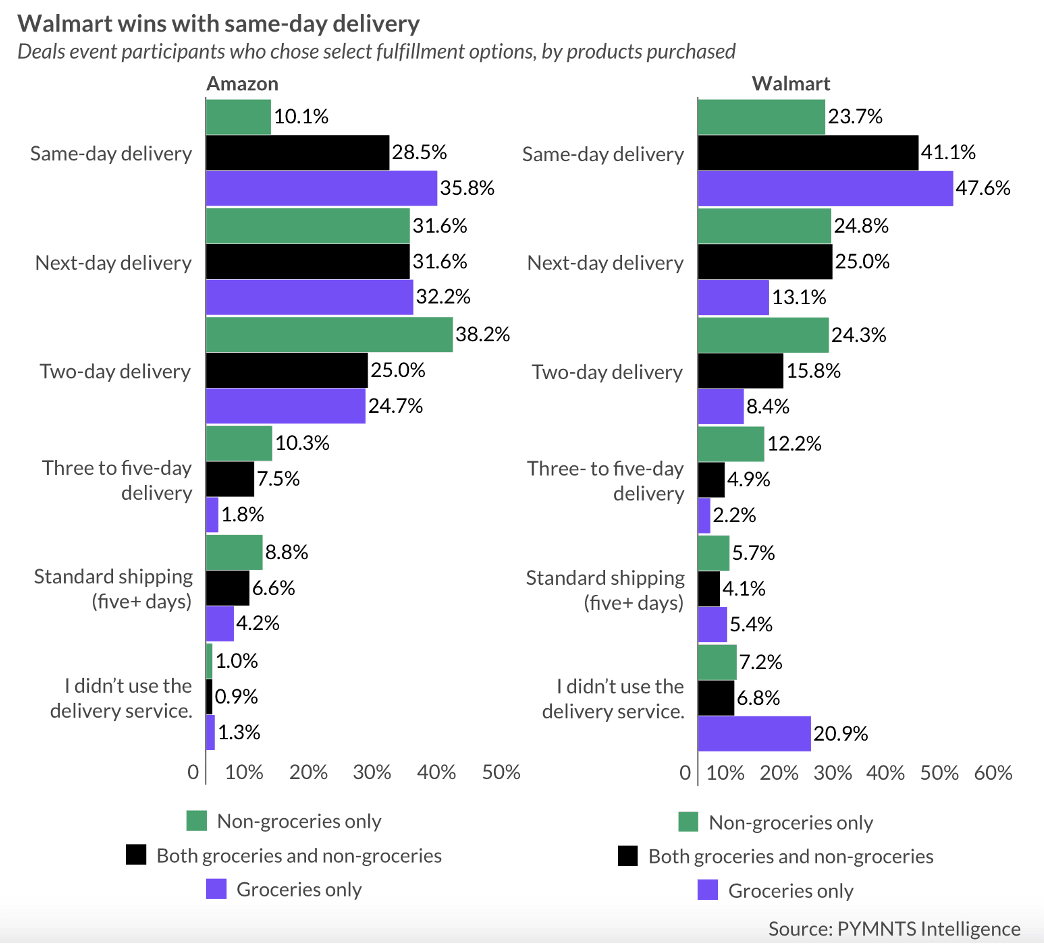
Walmart’s delivery machine is now so large that it changes the baseline for the whole grocery aisle, even for a chain that refuses to play the same game. For Trader Joe’s crew, the pressure is not about building a delivery network of its own. It is about whether shoppers who have gotten used to speed and convenience elsewhere start expecting a little more urgency, precision, and ease every time they walk into a Trader Joe’s store.
What Walmart’s numbers say about the new bar
Walmart delivered more than 3.5 billion units globally in same-day or next-day timeframes during the quarter highlighted on May 26. That is not just a logistics achievement, it is a signal about what shoppers are being trained to expect from grocery retail as a category: broad assortment, rapid access, and frictionless convenience.
That matters for Trader Joe’s because the company is intentionally built around a different promise. If Walmart is teaching customers to think, “I can get this fast,” Trader Joe’s is asking them to think, “This trip is worth making.” Those are not the same operating model, and the gap between them is exactly where store-level pressure can show up.
Why Trader Joe’s is a different kind of grocery store
Trader Joe’s describes itself as a national chain of neighborhood grocery stores focused on “outstanding value,” “friendly Crew Members,” and a “welcoming journey full of discovery and fun.” The company also says it has been transforming grocery shopping this way since 1967. That framing is not cosmetic. It is the heart of the business model, which relies on a smaller assortment, a curated feel, and human interaction at the register and on the floor.
The company’s own FAQ doubles down on that identity. Trader Joe’s says it is still just big “ole fans” of the neighborhood grocery store where shoppers can say hello while wondering “what’s for dinner?” That language is a reminder that the chain sees its in-person experience as the product, not a fallback from a digital one.
The first Trader Joe’s opened on August 25, 1967, at 610 South Arroyo Parkway in Pasadena, California, with Joe Coulombe behind the original concept. Today, the company has expanded to more than 600 locations nationwide, but it still presents itself as a physical-retail brand first.
The delivery gap is a strategic choice, not an accident
Trader Joe’s does not offer an official delivery service, and that absence is part of the point. Trade coverage and company commentary have repeatedly suggested that the chain would rather put resources into people and the store floor than into an online grocery platform. On Trader Joe’s own podcast, executives including Matt Sloan, Tara Miller, and Bill Wilson have also signaled a preference for avoiding flashy tech trends and retail-media gimmicks that have become common across the sector.
That choice can look quaint from the outside. Inside the store, it is a business decision with very real consequences. A delivery-first chain can compete on speed through vans, software, and fulfillment centers. Trader Joe’s has to compete on speed in a different way: short waits, clear answers, stocked shelves, and the sense that the crew knows what is where before the customer asks.
What workers are most likely to feel on the floor
The biggest effect of Walmart’s delivery surge is not that Trader Joe’s will suddenly launch its own logistics network. The more immediate pressure is subtler, and it lands on crew through the questions customers bring with them.
When shoppers are comparing service models, they may walk into Trader Joe’s expecting faster checkout, more specific product knowledge, and more certainty that a trip to the store is worth their time. That can translate into busier peaks, tighter expectations at the register, and more requests for help finding or understanding products. The store still sells discovery, but customers now compare that experience against the speed of every app and same-day basket they already use.
For crew, that means the job can start to feel less like “just helping customers” and more like delivering reassurance under time pressure. A shopper who is used to instant fulfillment may be less patient about a missing item, more likely to ask what is similar, and quicker to judge the value of standing in line. The customer is not necessarily complaining about Trader Joe’s model, but the comparison is already there.
What managers should watch for
For managers, the pressure point is subtle but real. A store that wants to keep its neighborhood feel has to create the feeling of speed without adding the full logistics stack of a delivery-first grocer. That can shape hiring, coaching, and how much labor is aimed at checkout, floor coverage, and product knowledge during the busiest parts of the day.
The practical question is not whether Trader Joe’s should become Walmart or Amazon. It is whether the company can keep its service model legible to customers who now assume convenience is the default. If shoppers start treating every grocery trip as a speed test, then a store built around browsing and conversation has to be sharper about availability, staffing, and execution just to preserve its own identity.
That is where the pressure can be felt most directly by workers. More people may arrive expecting a quick answer instead of a long browse. More of the burden falls on crew to explain the product mix and keep the floor moving. And in a chain where the brand is built on friendliness, speed becomes part of the culture whether or not the company ever sells a single delivery slot.
What this means for Trader Joe’s model going forward
Trader Joe’s is not standing still. Its in-store-only model is a strategic choice that has been defended for decades through service, availability, and the promise of a distinctly human shopping trip. But Walmart’s delivery scale shows how fast the rest of grocery retail is changing around it.
That does not automatically undermine Trader Joe’s. It does mean the store has to keep earning the trip every day. For crew, the most important takeaway is simple: the company’s refusal to chase delivery is not a shield from customer expectations. It raises the stakes on what happens in the aisle, at the register, and in every small moment that convinces a shopper the neighborhood store was still the right place to go.
This article was produced by Prism’s automated news system from verified source data, official records, and press releases, then run through automated quality and moderation checks before publishing. The system is built and supervised by the people who set the standards it runs under. Read our full AI policy.
Did this article answer your question?