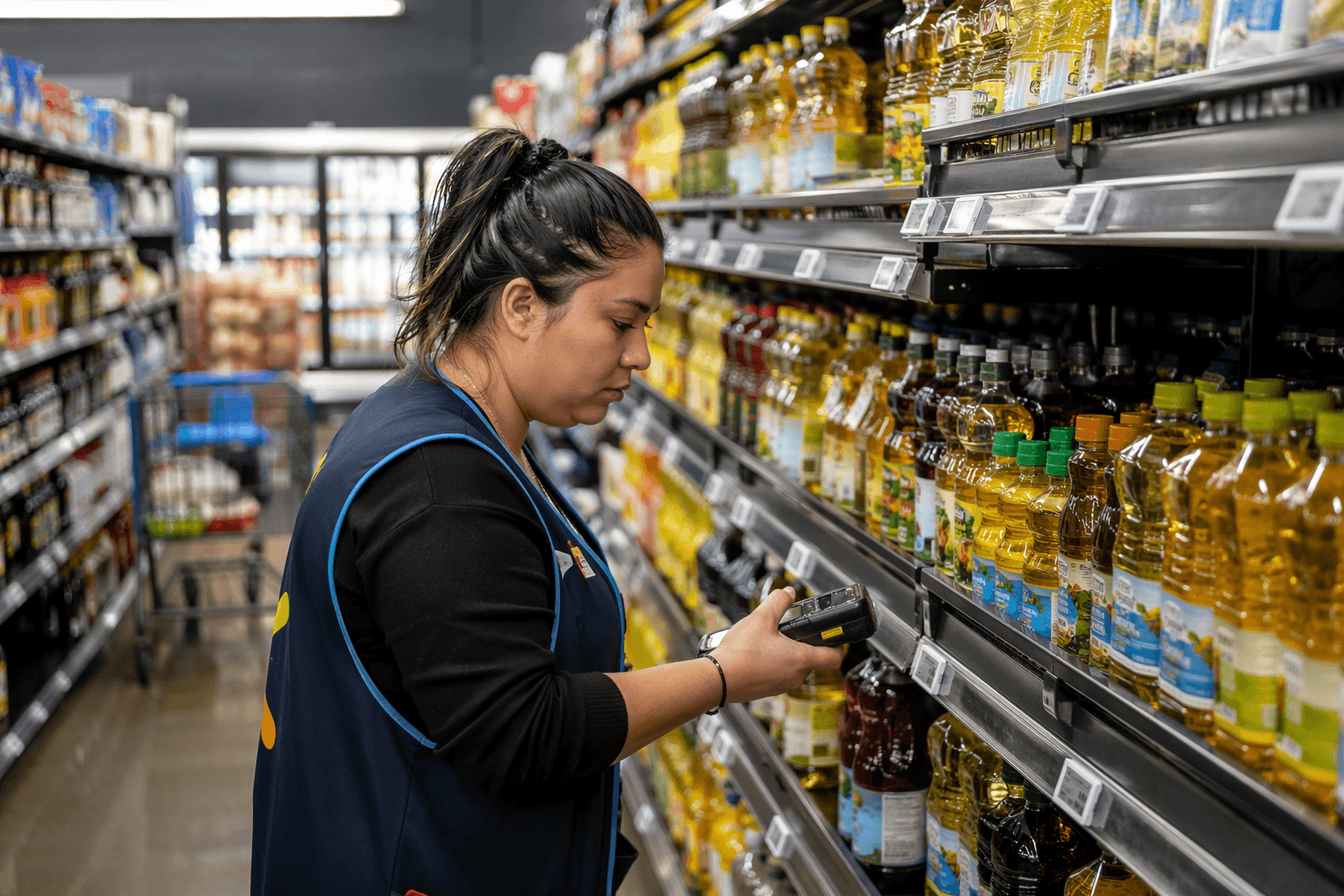
Consumer confidence slips as inflation worries pressure Walmart shoppers
Shoppers are getting more price-sensitive as confidence falls, forcing Walmart teams to handle more trade-downs, substitution questions and tighter baskets.
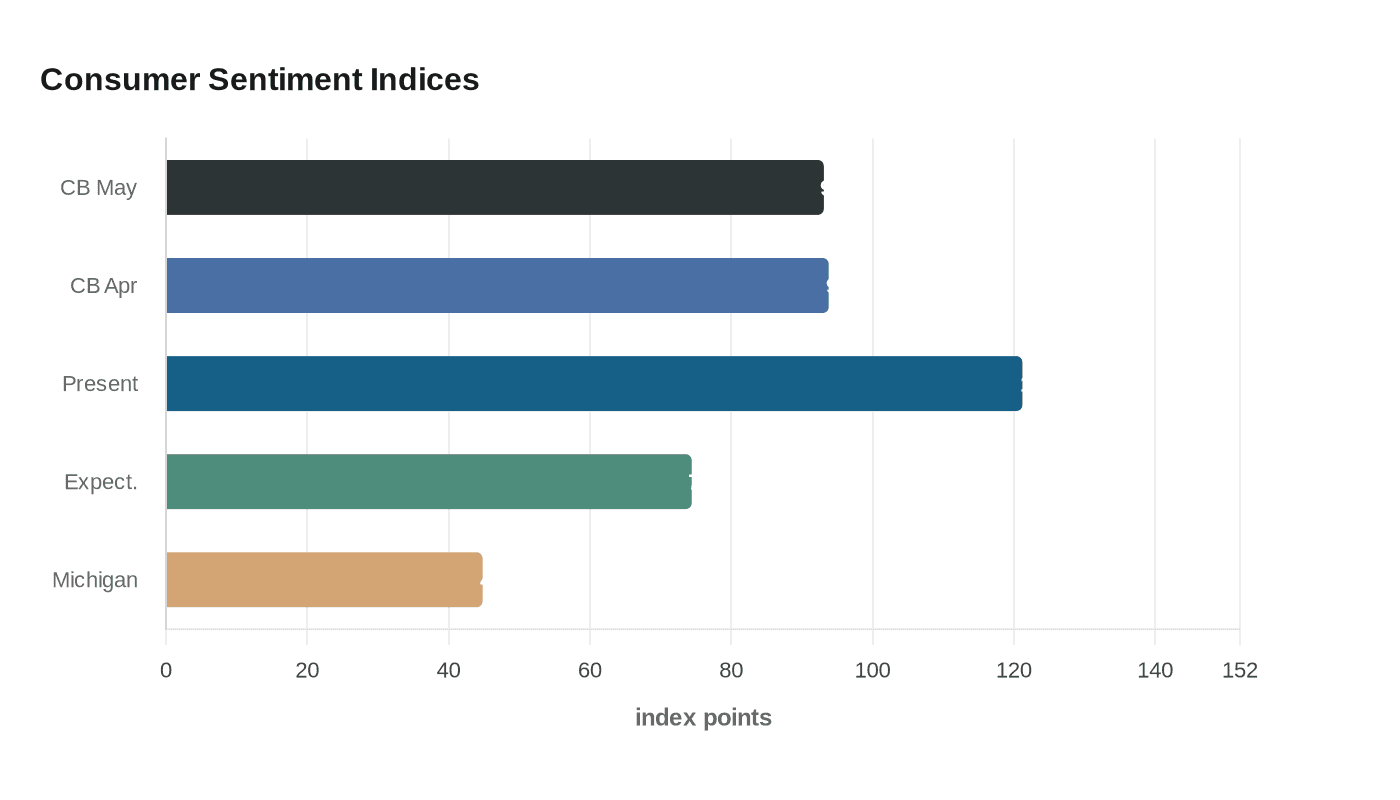
Before it shows up in sales reports, weaker confidence shows up in Walmart carts. Shoppers start comparing sizes more closely, swapping into cheaper brands, asking whether a substitute will do, and slowing down at the shelf when prices jump. That pressure intensified in May as The Conference Board’s Consumer Confidence Index slipped to 93.1 from an upwardly revised 93.8 in April, with the decline broad enough to hit younger and older consumers alike.
The Conference Board’s survey, run from May 1 to May 19, showed a split mood. The Present Situation Index fell 3.2 points to 121.2, while the Expectations Index rose 1.0 point to 74.4, a sign that households were more uneasy about what they were facing now than what they expected six months out. Dana M. Peterson, the group’s chief economist, said the inflationary impacts of the Middle East conflict intensified in May. The labor-market differential also slipped to +6.9 percent, which means fewer shoppers saw jobs as plentiful relative to those who said work was hard to find.
The strain was sharper for lower-income households, especially as gasoline prices climbed and affordability concerns widened. The University of Michigan’s consumer sentiment index fell to 44.8 in May, below the previous historical trough reached in June 2022. In that survey, 57 percent of consumers spontaneously said high prices were eroding their personal finances, while year-ahead inflation expectations rose to 4.8 percent and long-run expectations edged up to 3.9 percent. For Walmart store teams, that kind of backdrop usually means more scrutiny over every item in the basket, especially groceries, household basics and other essentials where customers can trade down fast.
That is also the environment Walmart is navigating. The company said first-quarter operating income rose 5 percent to $7.49 billion and net sales climbed 7.1 percent to $175.7 billion, but it still kept a conservative full-year outlook. John David Rainey said Walmart absorbed about $175 million in fuel-related costs in the quarter, and warned that if elevated fuel costs persist, retail price inflation could rise in the second quarter and second half of 2026.
One of the clearest tells is at the pump. Walmart said its average fuel fill-up at gasoline stations fell below 10 gallons for the first time since 2022, a small but sharp signal that shoppers are stretching dollars wherever they can. Expedited delivery now reaches 65 percent of U.S. households, and e-commerce remains strong, but the message for managers and associates is straightforward: value, clear shelf labels, stocked basics and fast answers on substitutions matter more when customers are walking in already on edge.
This article was produced by Prism’s automated news system from verified source data, official records, and press releases, then run through automated quality and moderation checks before publishing. The system is built and supervised by the people who set the standards it runs under. Read our full AI policy.
Know something we missed? Have a correction or additional information?
Submit a Tip