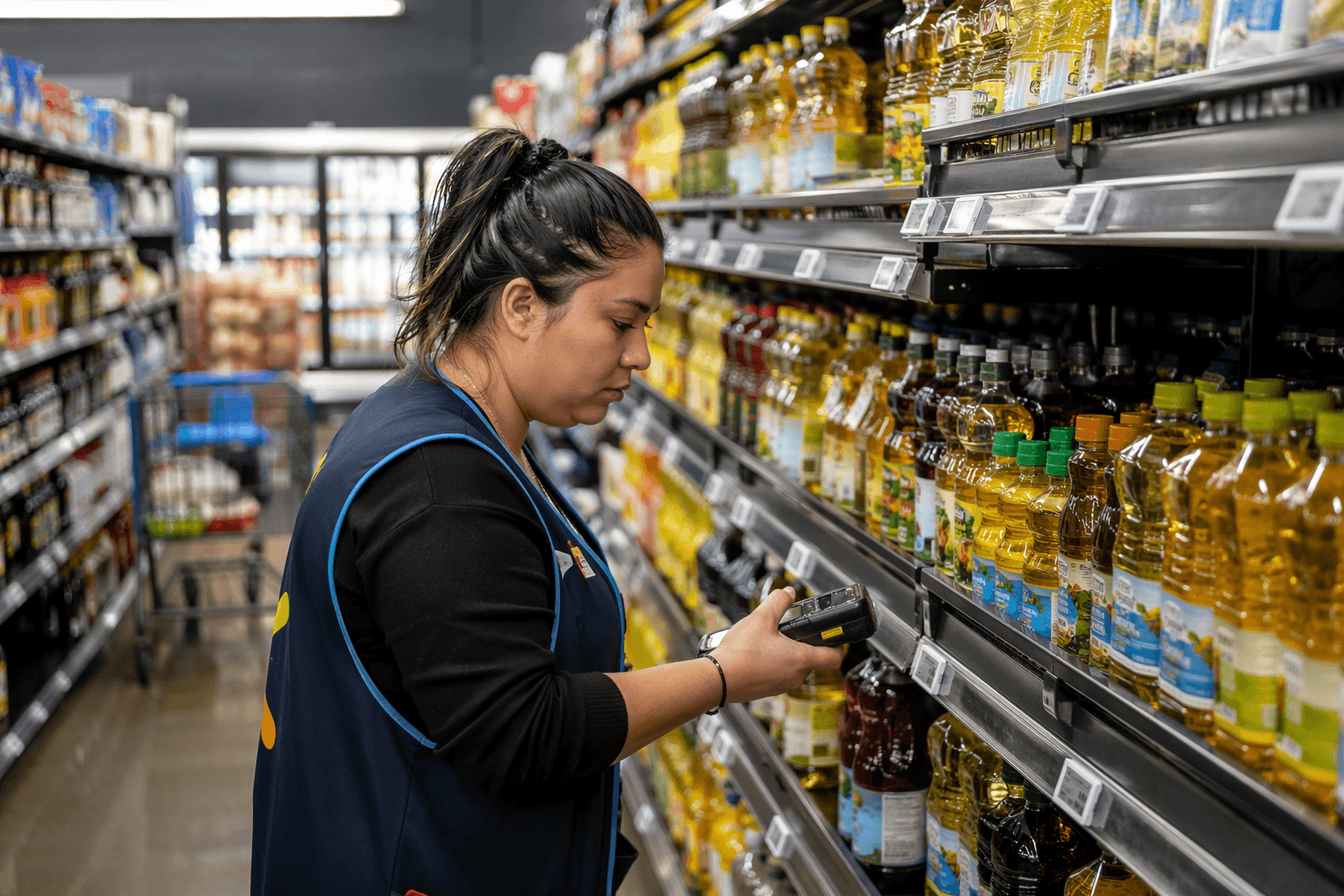
Walmart shares fall below key technical level after cautious outlook
Walmart fell through a long-watched technical floor after investors wanted a bigger raise to guidance. For workers, the stock move matters more as pressure on Bentonville than as an immediate change to pay or schedules.
Walmart shares slipped below their 200-day moving average for the first time in more than a year after investors judged the company’s outlook too cautious. The stock also broke below its 100-day moving average for the first time this year, a sign that the selloff has turned from a one-day reaction into a broader test of market confidence.
The drop followed Walmart’s first-quarter fiscal 2027 results on May 21, when the retailer said net sales rose 7.1% to $175.7 billion, operating income increased 5% to $7.49 billion and adjusted earnings per share came in at $0.66. The company kept its full-year guidance at 3.5% to 4.5% sales growth and $2.75 to $2.85 in earnings per share instead of raising it. That was enough to disappoint traders who had been expecting another upside surprise. Reuters reported the shares fell more than 4% on the announcement, while later market coverage put the intraday drop at about 7.3% at one point.

For hourly associates, department managers and assistant managers, the stock chart does not rewrite next week’s schedule or automatically change pay, healthcare or benefits. What it can change is the pressure coming from Bentonville. When a stock that had been trading at more than 40 times forward earnings loses momentum, executives usually face more scrutiny on labor costs, freight, inventory discipline and how aggressively they keep investing in stores, automation and online operations.
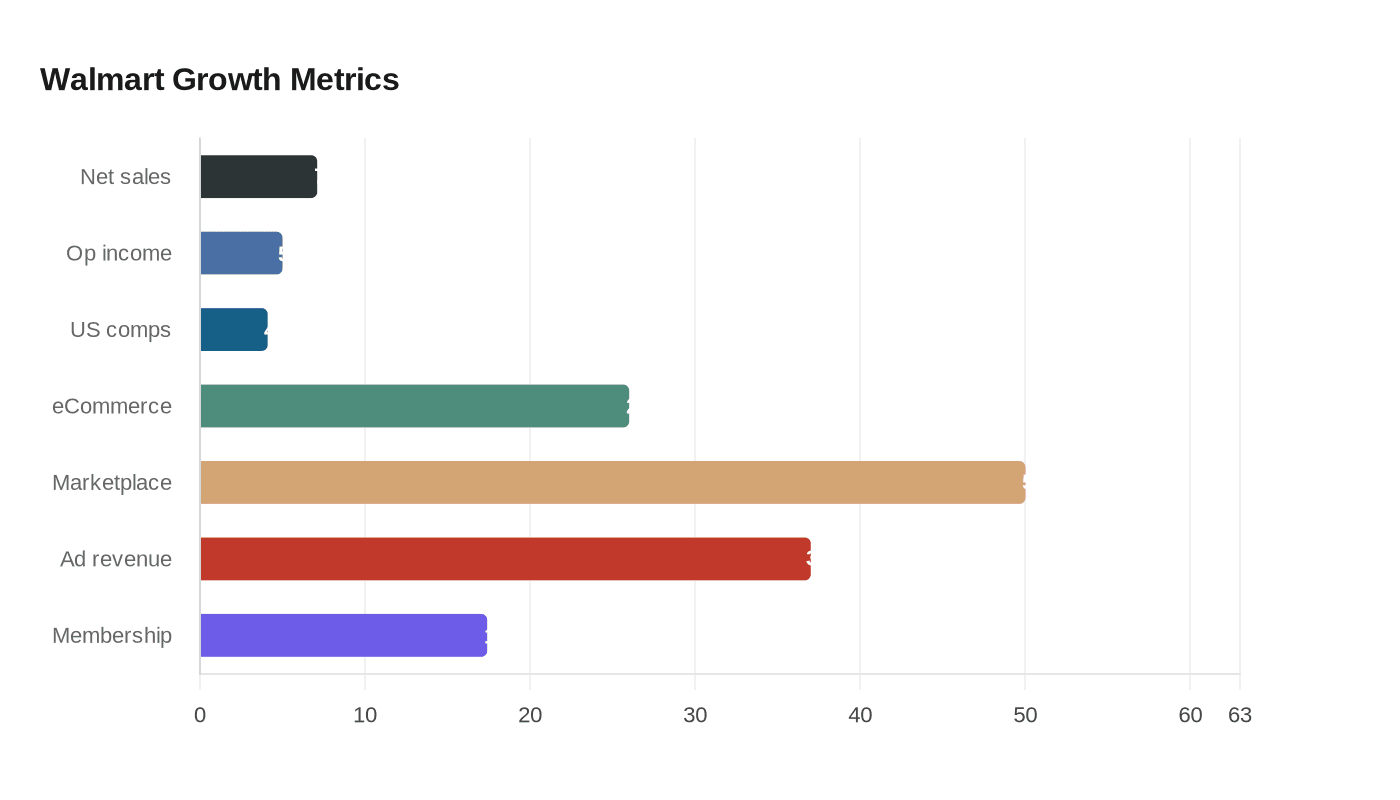
The quarter itself showed both the strength and the strain inside the business. Walmart said rising fuel costs cut operating income by about $175 million, and Reuters reported the average fuel fill-up at Walmart gas stations fell below 10 gallons for the first time since 2022, a reminder that shoppers are still feeling tight budgets. U.S. comparable sales rose 4.1% excluding fuel, the slowest pace in eight quarters, even as Walmart kept gaining share in grocery and general merchandise.
At the same time, the growth engines still looked healthy. Global eCommerce revenue rose 26%, online marketplace sales jumped 50% year over year, advertising revenue grew 37% and membership income increased 17.4%. D.A. Davidson kept a Buy rating and a $150 price target after the report, but Zacks Investment Research strategist Bryan Hayes captured the market mood bluntly: the reaffirmed outlook “was not enough.” For Walmart workers, that means the bigger story is not panic, but a company under more pressure to defend margins while proving its growth story is still intact.
This article was produced by Prism’s automated news system from verified source data, official records, and press releases, then run through automated quality and moderation checks before publishing. The system is built and supervised by the people who set the standards it runs under. Read our full AI policy.
Know something we missed? Have a correction or additional information?
Submit a Tip