Grocery prices jump 0.7%, Walmart shoppers feel the pinch
April grocery prices rose 0.7%, and Walmart stores are likely to see more price checks, trade-down shopping and scrutiny of rollbacks.
A 0.7% April jump in food-at-home prices puts Walmart’s value promise back under a store-floor microscope. When the U.S. Bureau of Labor Statistics said grocery prices moved higher after a 0.2% decline in March, it signaled more than a macroeconomic swing. It pointed to the kind of customer behavior Walmart associates see every day: more comparison shopping, more questions at the shelf, and more pressure on pricing accuracy.
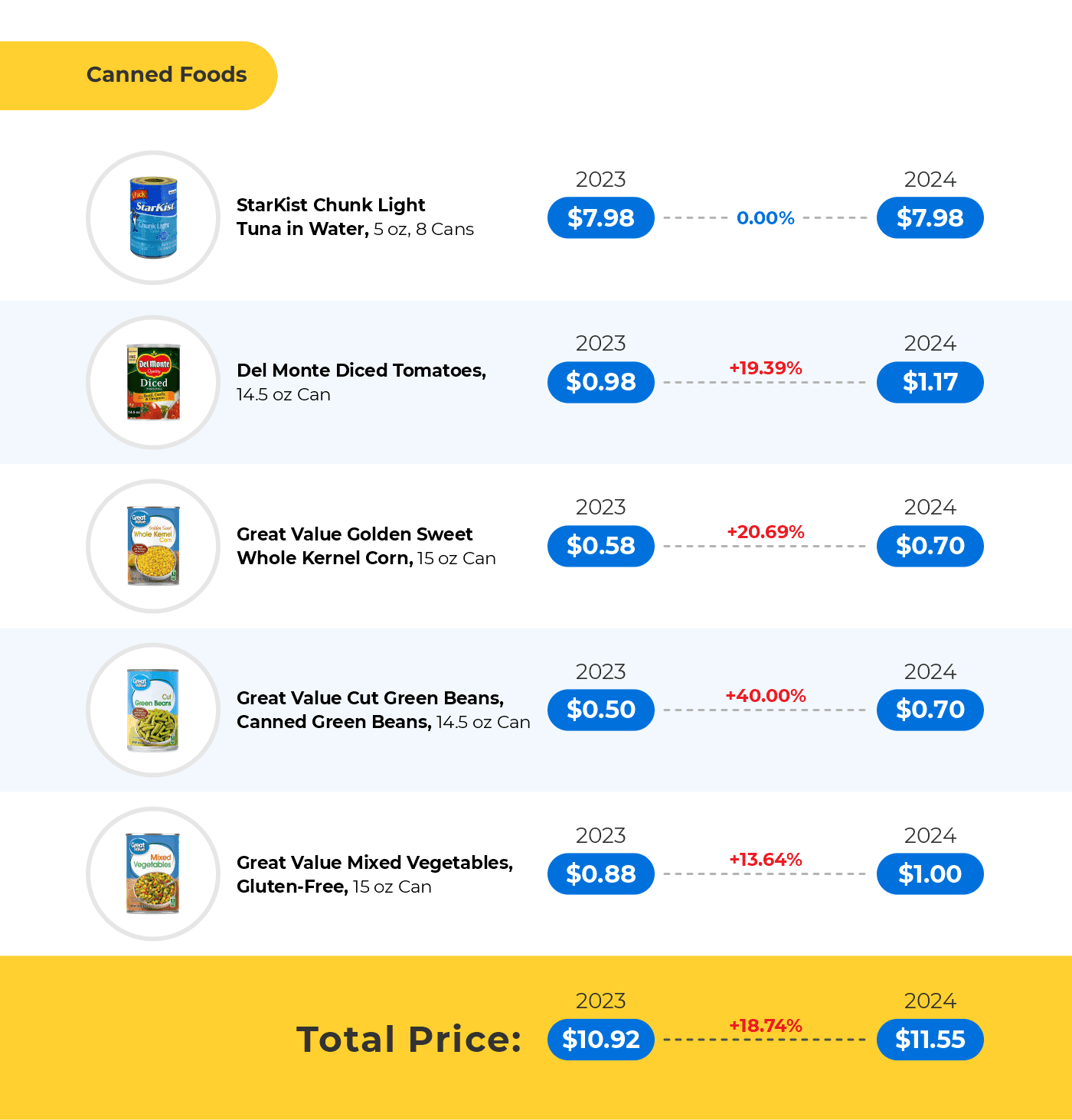
The increase was broad-based. The BLS said five of the six major grocery-store food group indexes rose in April 2026. Meats, poultry, fish and eggs climbed 1.3%, led by beef, which rose 2.7%. Fruits and vegetables were up 1.8%, dairy and related products increased 0.8%, nonalcoholic beverages rose 1.1%, and cereals and bakery products edged up 0.1%. Only other food at home fell, down 0.4%. Across the broader food category, prices rose 0.5% in April, with food away from home up 0.2%.

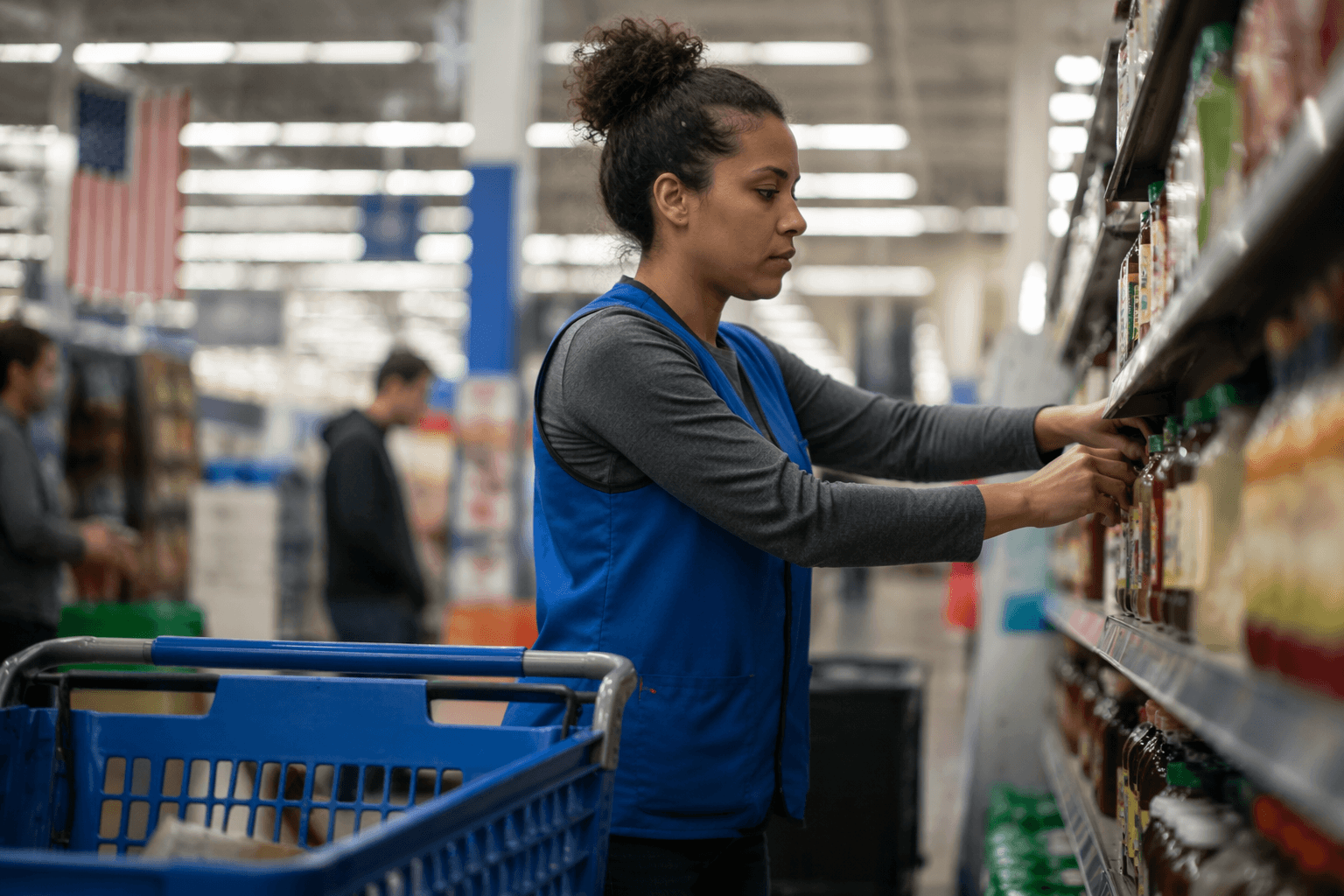
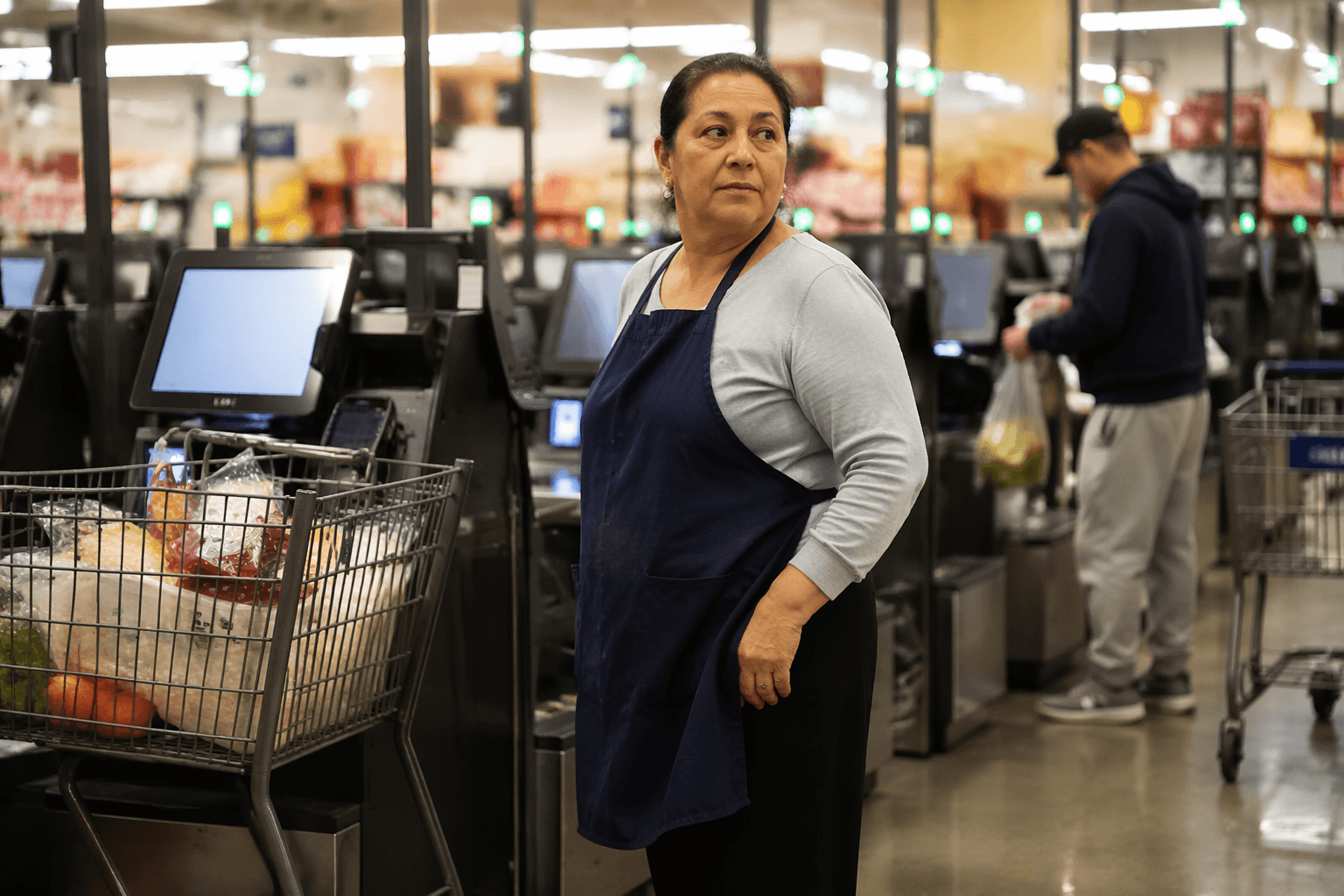
For Walmart, that kind of mix matters because it changes how shoppers move through the store. Higher grocery bills tend to push customers toward lower-cost baskets, more private-label items and sharper attention to rollback tags and unit pricing. That puts more weight on clean shelf labels, fast replenishment and associates who can explain a price difference without sending a customer on a hunt for answers. It also raises the stakes for department managers and assistant managers trying to keep freight, markdowns and signage in sync during a period when every misplaced tag can turn into a confrontation at the aisle.
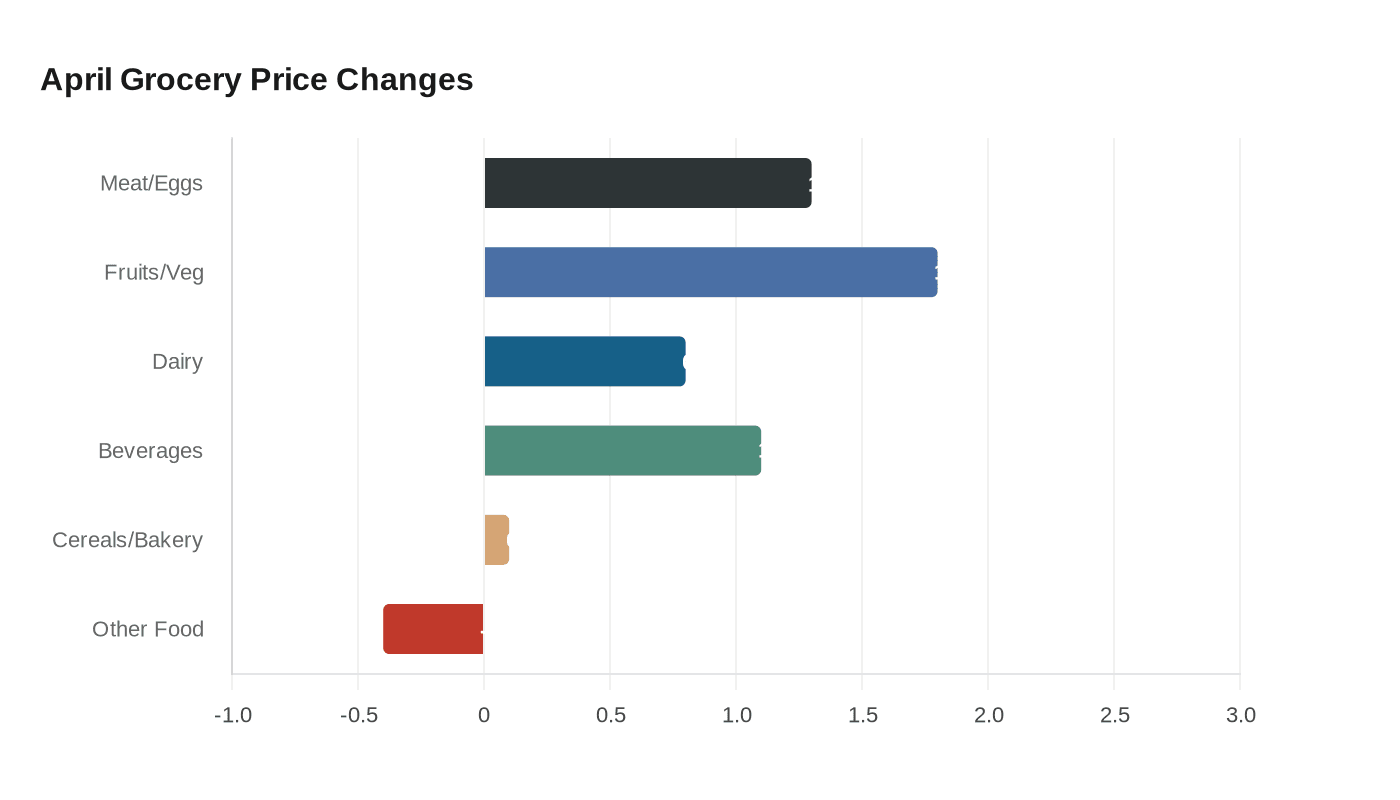
The year-over-year picture shows the pressure is not isolated to one month. Over the 12 months through April, food prices were up 3.2% overall and food at home was up 2.9%. USDA Economic Research Service data also show food-at-home prices rose 1.2% in 2024 and 2.3% in 2025, with another 2.4% increase forecast for 2026. That is the backdrop for Walmart’s current leadership team, now under John Furner, who became president and CEO on February 1, 2026 after Doug McMillon retired January 31.
Walmart’s own earnings materials have framed inflation, customer demand and spending, and tariff and trade policies as material factors affecting results. In practice, that means the grocery side of the business is not just about ringing up sales. It is where the company’s low-price claim is tested aisle by aisle, and where associates feel the pinch first when shoppers decide a basket has become too expensive.
This article was produced by Prism’s automated news system from verified source data, official records, and press releases, then run through automated quality and moderation checks before publishing. The system is built and supervised by the people who set the standards it runs under. Read our full AI policy.
Did this article answer your question?