US jobless claims stay low, keeping Walmart hiring competitive
Claims ticked up to 200,000, but layoffs stayed low. For Walmart, that means workers still have options and managers still have to fight to keep shifts filled.

A 200,000 reading for new jobless claims still pointed to a labor market where layoffs were low and workers had options. That matters at Walmart because a steady job market usually does not leave hourly associates stranded in place, and it does not let stores or distribution centers ignore turnover, attendance or hard-to-fill shifts.
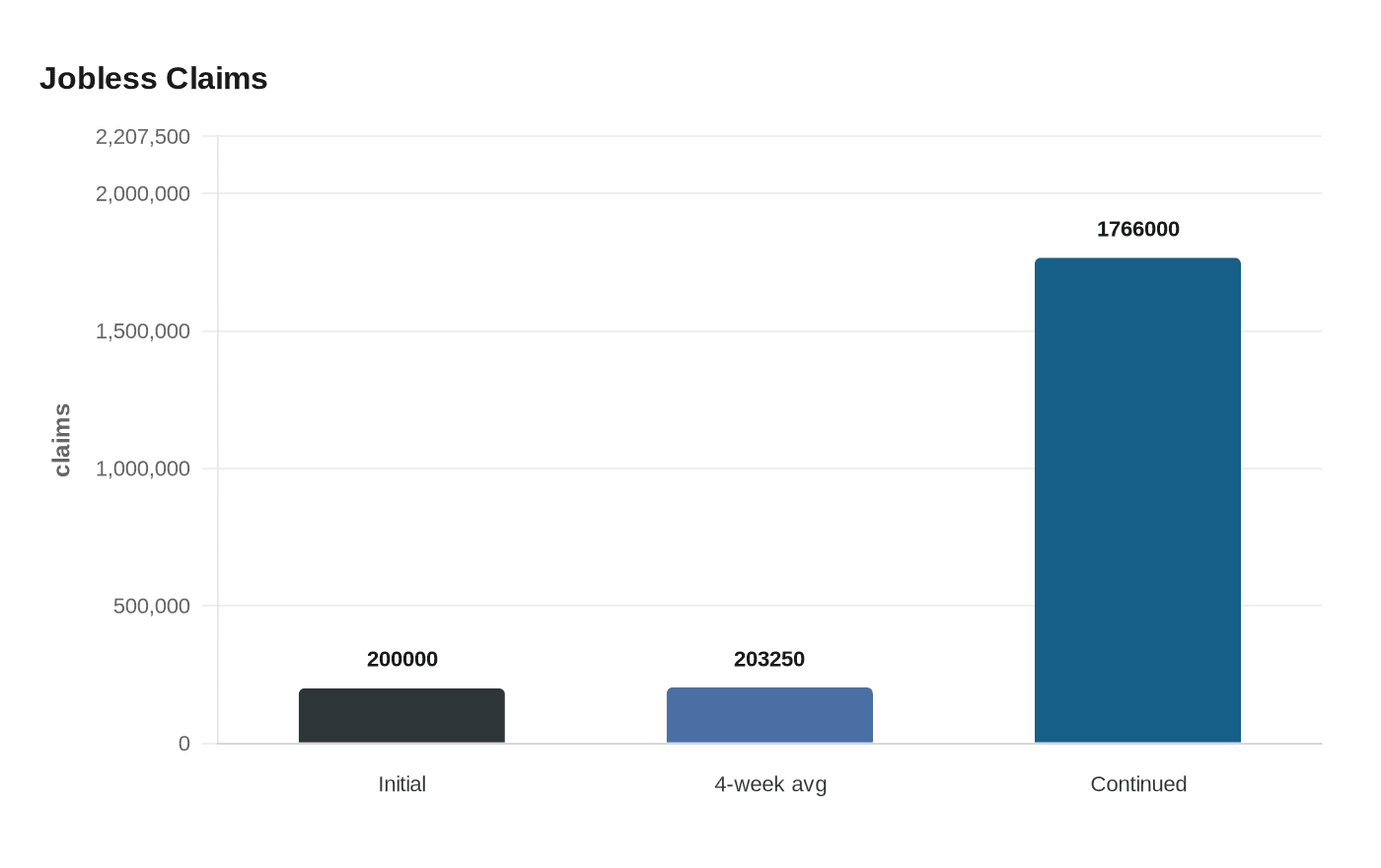
The Labor Department said initial claims for state unemployment benefits rose by 10,000 to a seasonally adjusted 200,000 for the week ended May 2, just below economists’ 205,000 forecast. The four-week moving average slipped to 203,250, a cycle low, while continued claims fell to 1.766 million for the week ended April 25, also a cycle low. Taken together, the data showed a labor market that was cooling only modestly, not breaking.
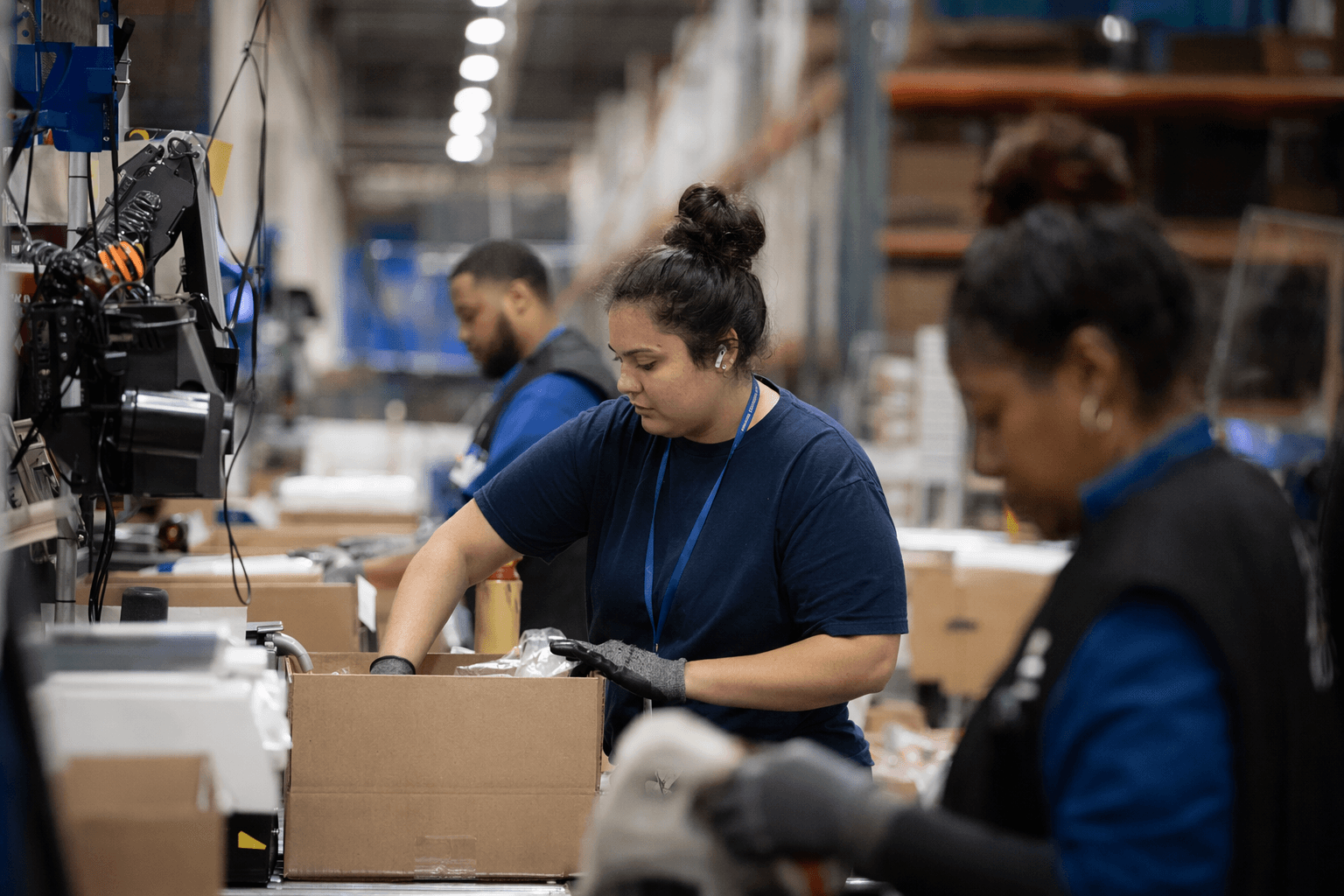
That is the practical read for Walmart workers. If claims stay low and layoffs stay restrained, Walmart cannot count on a flood of applicants willing to take any schedule or any assignment. Hourly associates are more likely to have some leverage over hours, shifts and attendance expectations, because other employers are still hiring and the unemployment rate remained 4.3% in April. In a market like that, a bad schedule or repeated short staffing can push people to look elsewhere rather than simply absorb the pressure.
The wider jobs report also helps explain where the competition is coming from. Total nonfarm payrolls rose by 115,000 in April, with gains in health care, transportation and warehousing, and retail trade. That is especially relevant for Walmart’s stores and its distribution network, where the company competes with other retailers and logistics employers for dependable workers. The government also said there were 0.95 job openings for every unemployed person in March, a sign the market was still balanced enough that employers had to keep trying to hold on to staff.
For Walmart, the scale is enormous. The company said it employed about 2.1 million associates worldwide and reported fiscal 2026 revenue of $713 billion. With roughly 280 million customers and members visiting its stores and websites each week, even small changes in retention or scheduling reliability can ripple through the operation. A still-tight labor market does not guarantee higher wages, but it does keep pressure on employers to make shifts, attendance rules and staffing plans work better for the people already on the clock.
This article was produced by Prism’s automated news system from verified source data, official records, and press releases, then run through automated quality and moderation checks before publishing. The system is built and supervised by the people who set the standards it runs under. Read our full AI policy.
Did this article answer your question?