Low unemployment keeps pressure on Walmart to attract hourly workers
Walmart says 75% of its U.S. salaried store, club and supply chain managers started hourly, a reminder that a tight labor market keeps pay, schedules and promotions in play.

Walmart’s own ladder explains why low unemployment keeps pressure on the company: 75% of its U.S. salaried store, club and supply chain managers started as hourly associates. When the labor market stays tight, that pipeline matters more because stores, clubs, pharmacy teams and supply chain operations are all trying to hold onto the same dependable workers.
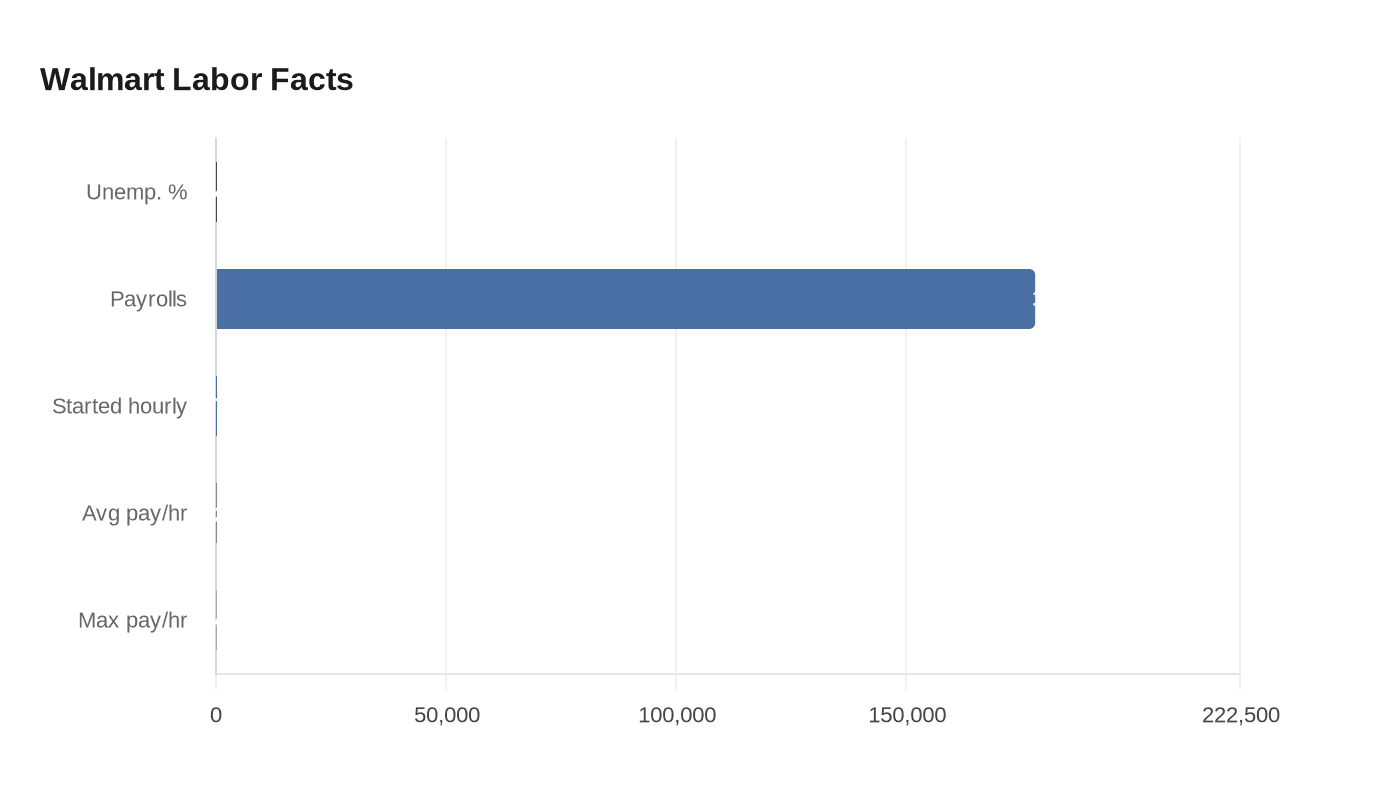
The latest labor readings pointed to a market that was still giving workers options. The U.S. unemployment rate was 4.3% in March 2026, and payrolls rose by 178,000. That kind of backdrop tends to make hiring harder for retailers, including Walmart, because candidates can compare offers, move between employers faster and resist schedules that do not work for their lives.
For hourly associates, that usually shows up first in the basics: starting pay, shift flexibility, attendance pressure and how hard managers work to cover open slots. Walmart says it supports retention with competitive pay, career advancement, skills-based training, education benefits, flexible scheduling and health and well-being programs. Eligible full-time and part-time associates can get medical coverage starting at $38.30 per biweekly pay period, plus access to some virtual care services and financial tools once they qualify.
The company’s scale makes every labor shift more consequential. Walmart operates more than 10,800 stores and clubs in 19 countries, and as of the end of FY2026 it employed about 2.1 million associates worldwide, including roughly 1.6 million in the U.S. That size means turnover in one store or one market can quickly turn into a staffing problem somewhere else, especially when experienced workers are already being pulled toward better schedules or faster pay growth.
That is also why Walmart has leaned hard on internal movement. It said it invested $1 billion in education and skills training between 2021 and 2026, and it elevated 3,000 pharmacy technician roles to operations team lead positions on Jan. 28, 2026. In those jobs, average hourly pay rose to $28, with potential pay up to $42 an hour, a sign that Walmart is using pay progression to keep skilled workers from walking.
For department managers and assistant managers, a low-jobless-claims environment changes the daily math on the floor. It gets harder to replace absences quickly, harder to keep freight moving with thin staffing and more important to cross-train the people already there. For associates, the message is simpler: when unemployment stays low, Walmart has to compete harder for the same worker, and that competition can shape everything from schedules to advancement.
This article was produced by Prism’s automated news system from verified source data, official records, and press releases, then run through automated quality and moderation checks before publishing. The system is built and supervised by the people who set the standards it runs under. Read our full AI policy.
Did this article answer your question?