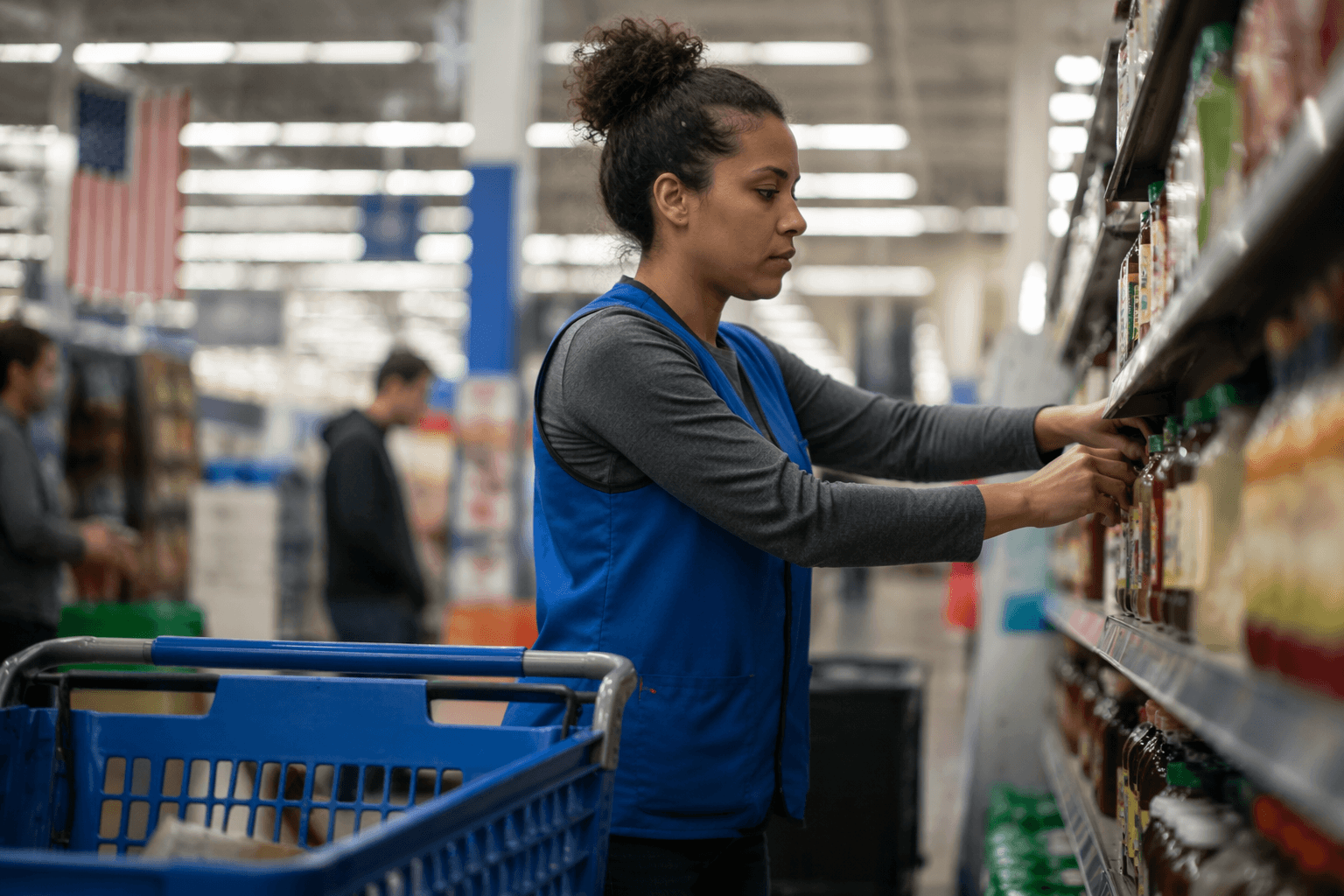
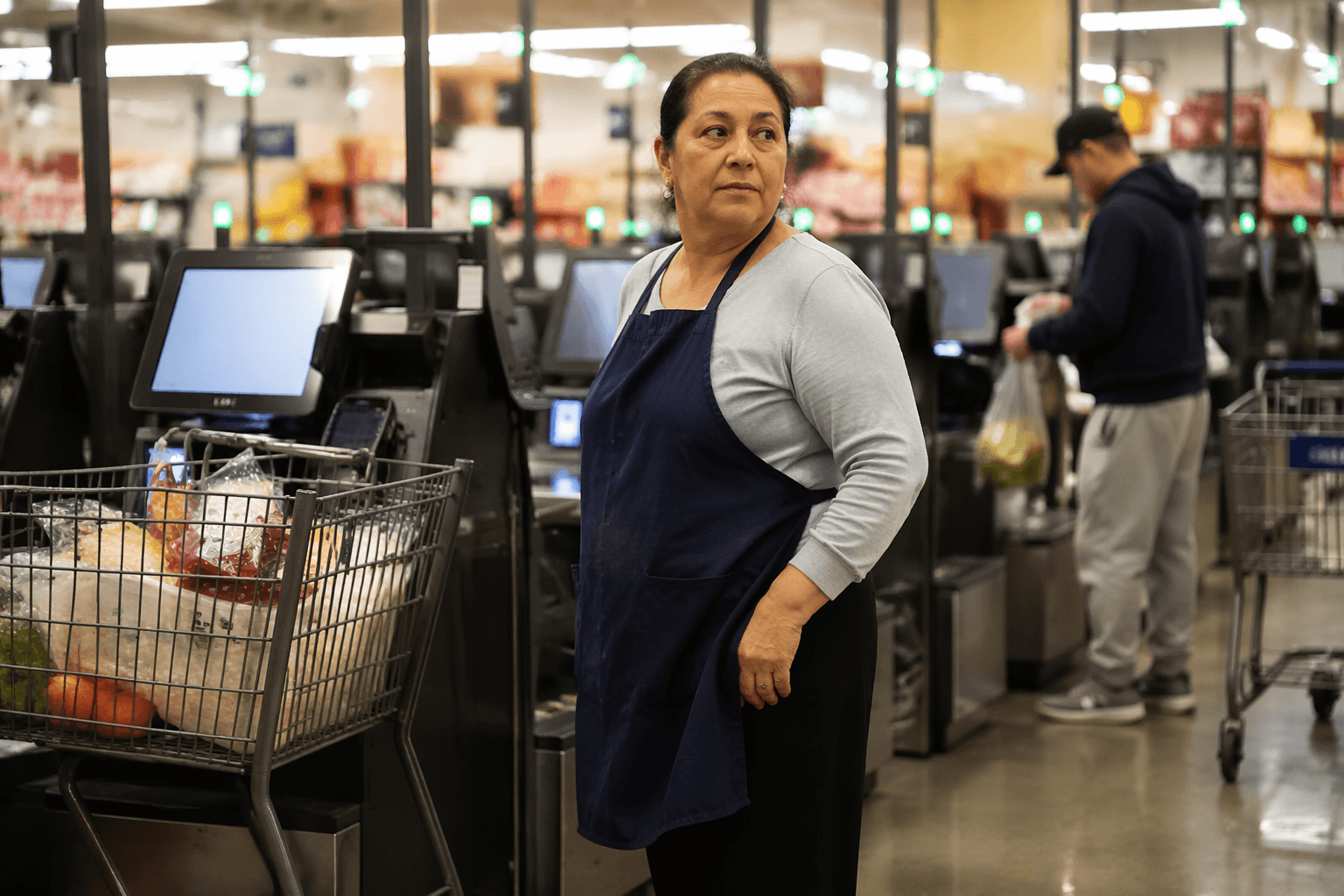
May Day rallies spotlight retail worker pay, schedules, and conditions
May Day rallies put pay and schedules back in focus just as Walmart said its average U.S. hourly field associate makes $18.25 and schedules are visible two weeks ahead.
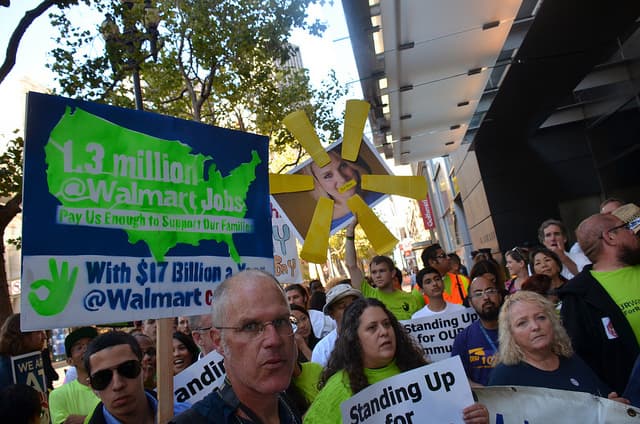
May Day rallies around the world put wages, working conditions and worker voice back at the center of the conversation, a reminder that retail labor complaints do not disappear just because a store is busy. Activists gathered on International Workers’ Day with messages about peace, higher pay and safer conditions, while broader anger over rising energy costs and the cost of living gave the demonstrations extra force.
That old symbolism still matters in Walmart, where hourly work is shaped by the same basic questions: how much the job pays, whether the schedule holds together and whether associates feel heard when the floor gets crowded or understaffed. Walmart said its average U.S. hourly field associate makes $18.25 an hour, supply chain associates average $27 an hour and minimum starting wages have risen more than 90% since 2015. The company also said its U.S. associate average hourly wage has climbed about 30% over the past five years, bringing it close to $18.
Scheduling has become part of that same calculation. Walmart said store associates can see their work schedules up to two weeks in advance, and full-time store associates can sign up for set schedules of up to 40 hours per week. For hourly workers trying to arrange child care, second jobs or school, predictability can matter as much as the posted wage. For managers, it is a reminder that scheduling is not just an operating detail. It is one of the first places where frustration shows up when staffing is thin or demand shifts fast.
The labor history behind May Day helps explain why it still resonates. The International Labour Organization ties the day to workers’ struggles in the 1880s over daily working hours, and it still describes May Day as a day of labour and solidarity linked to social justice. That history is a useful lens for Walmart, the nation’s largest private employer, where roughly 75% of U.S. salaried managers began as hourly associates. The company has long tried to present that pathway as proof of opportunity, while workers and organizers have often focused on whether pay and conditions make that path worth following.
The tension is not new. The Associated Press has previously reported union-backed Walmart protests and labor complaints centered on wages, benefits and workers’ ability to organize. That history is part of why May Day still lands in retail, even when Walmart is not the immediate target. It turns private grievances into public pressure, and in a company this large, that pressure tends to shape the whole sector.
This article was produced by Prism’s automated news system from verified source data, official records, and press releases, then run through automated quality and moderation checks before publishing. The system is built and supervised by the people who set the standards it runs under. Read our full AI policy.
Did this article answer your question?