Tariffs Still Squeeze Household Budgets, Keeping Walmart Shoppers Price-Sensitive
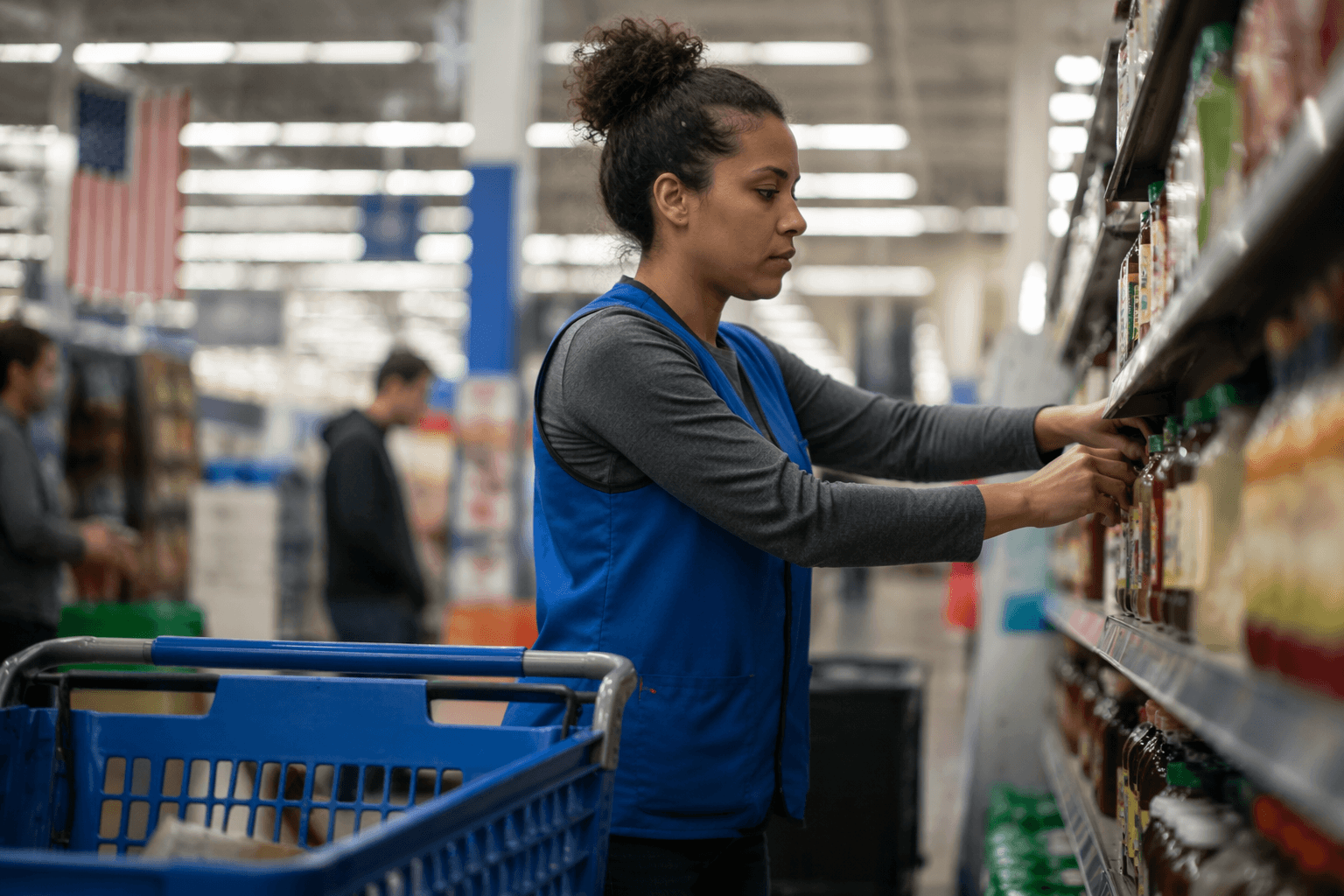
Tariffs are still showing up at Walmart shelves, where shoppers are checking prices more often, trading down and pushing back on higher bills.

Tariffs are still pushing up the cost of the goods Walmart associates stock every day, and the effect is showing up in the aisle as more price checks, more trade-down behavior and more frustration when a shelf tag does not match a shopper’s budget. For store teams, that means the tariff story is not about trade policy in Washington. It is about the customer deciding whether to buy the branded cereal, the lower-priced substitute or nothing at all.
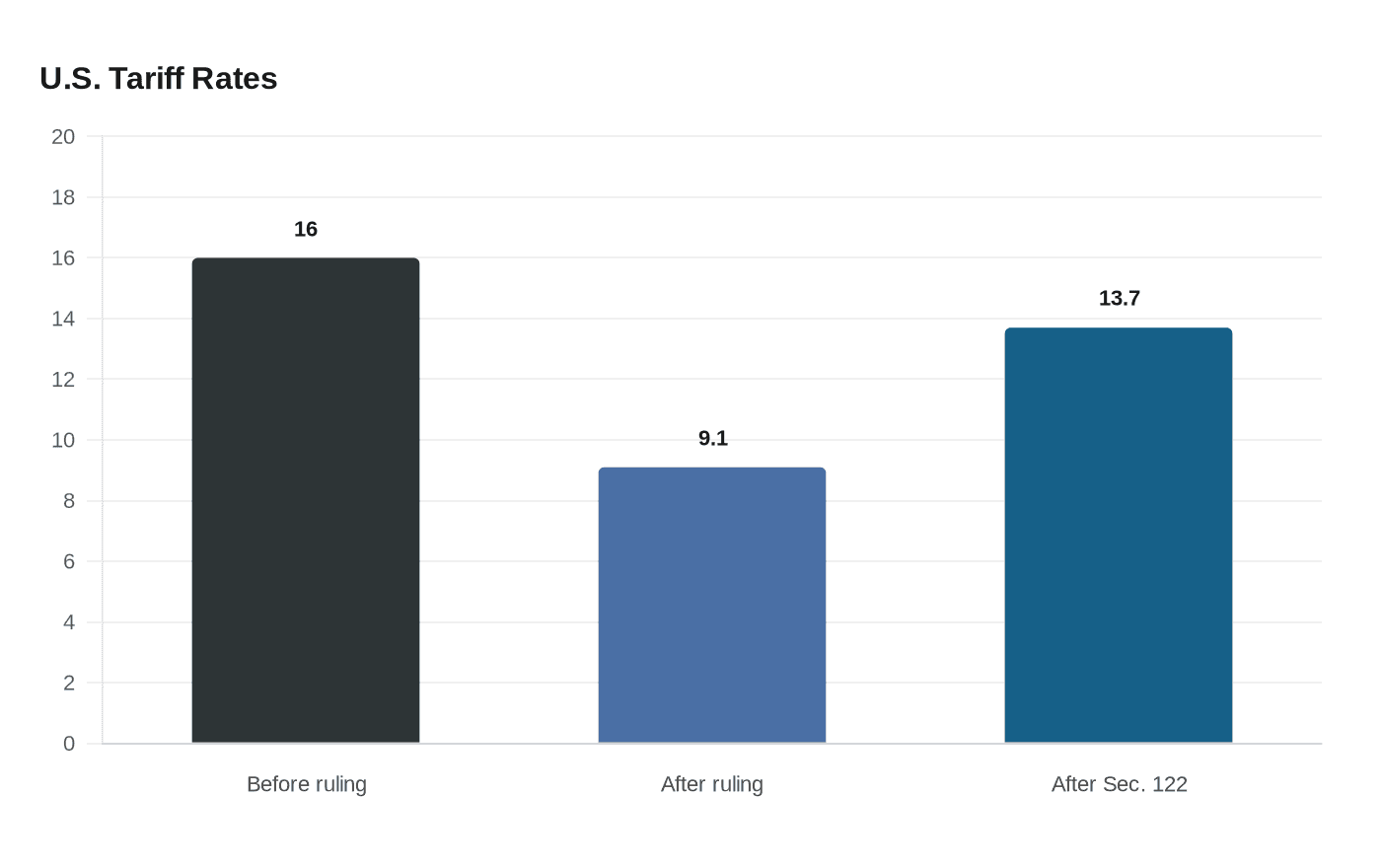
The price pressure has not gone away even after the Supreme Court changed the legal footing for some of the duties. Yale’s Budget Lab said the average effective U.S. tariff rate was 16% before the Feb. 20 ruling on IEEPA tariffs, the highest since 1936. After the ruling, the rate fell to 9.1%, then climbed to 13.7% after new Section 122 tariffs. The group estimated that if those tariffs expire after 150 days, the average household still loses about $600 to $800 in purchasing power. If they become permanent, that hit rises to $1,000 to $1,300.
The Federal Reserve Bank of Boston has already found the tariff effects in consumer prices. Its April note said tariffs implemented through November 2025 raised core goods PCE prices by 3.1% through February 2026 and added 0.8% to core PCE prices overall. The researchers said pass-through appears effectively complete so far, which helps explain why shoppers are not waiting for relief before changing how they buy.
Walmart has been warning investors about that pressure for months. In February 2026, the company said general merchandise inflation had risen more than 3%, up from 1.7% in the prior quarter, and Chief Financial Officer John David Rainey said tariff-related costs lifted prices across many categories. That matters on the sales floor because Walmart’s general merchandise mix includes furniture, apparel, housewares, toys, mattresses and consumer electronics, the exact departments where customers are most likely to pause, compare and walk away if the price jumps too fast.
Food is not immune either. Doug McMillon said Walmart was trying to keep food prices “as low as we can,” but tariffs on Costa Rica, Peru and Colombia were pressuring imports such as bananas, avocados, coffee and roses. Those are everyday items, the kind shoppers notice immediately. Walmart’s scale makes the impact broader: it reported $165.6 billion in first-quarter revenue last May, U.S. comparable sales excluding fuel rose 4.5%, and global eCommerce grew 22%, showing how much volume still runs through the chain even when customers are cautious.
Tax Foundation estimates also show how much tariff policy can weigh on budgets, putting the 2025 Trump tariffs at an average tax increase of $1,000 per U.S. household and the new 2026 Section 122 and Section 232 tariffs at another $700. For Walmart workers, the practical takeaway is clear: tariff pressure is still shaping traffic, basket size and shopper mood, and the shelf-level conversation is likely to stay focused on value.
This article was produced by Prism’s automated news system from verified source data, official records, and press releases, then run through automated quality and moderation checks before publishing. The system is built and supervised by the people who set the standards it runs under. Read our full AI policy.
Did this article answer your question?