Walmart shoppers turn more cautious as inflation fears rebound
Walmart shoppers are still spending, but inflation fear is making them more selective, more price-sensitive, and harder to read by basket alone.

What the latest consumer read means on the floor
Shoppers are still walking into Walmart with money to spend, but they are carrying more caution with them than they were a few months ago. Deloitte’s latest read on the U.S. consumer showed a financial well-being index of 101.1 in March, slipping because expectations for the future weakened even as day-to-day hardship did not suddenly worsen. The biggest warning sign was gas: the share of respondents expecting higher prices jumped to 82 percent in March, up 35 points in a single month and the highest level in three years.
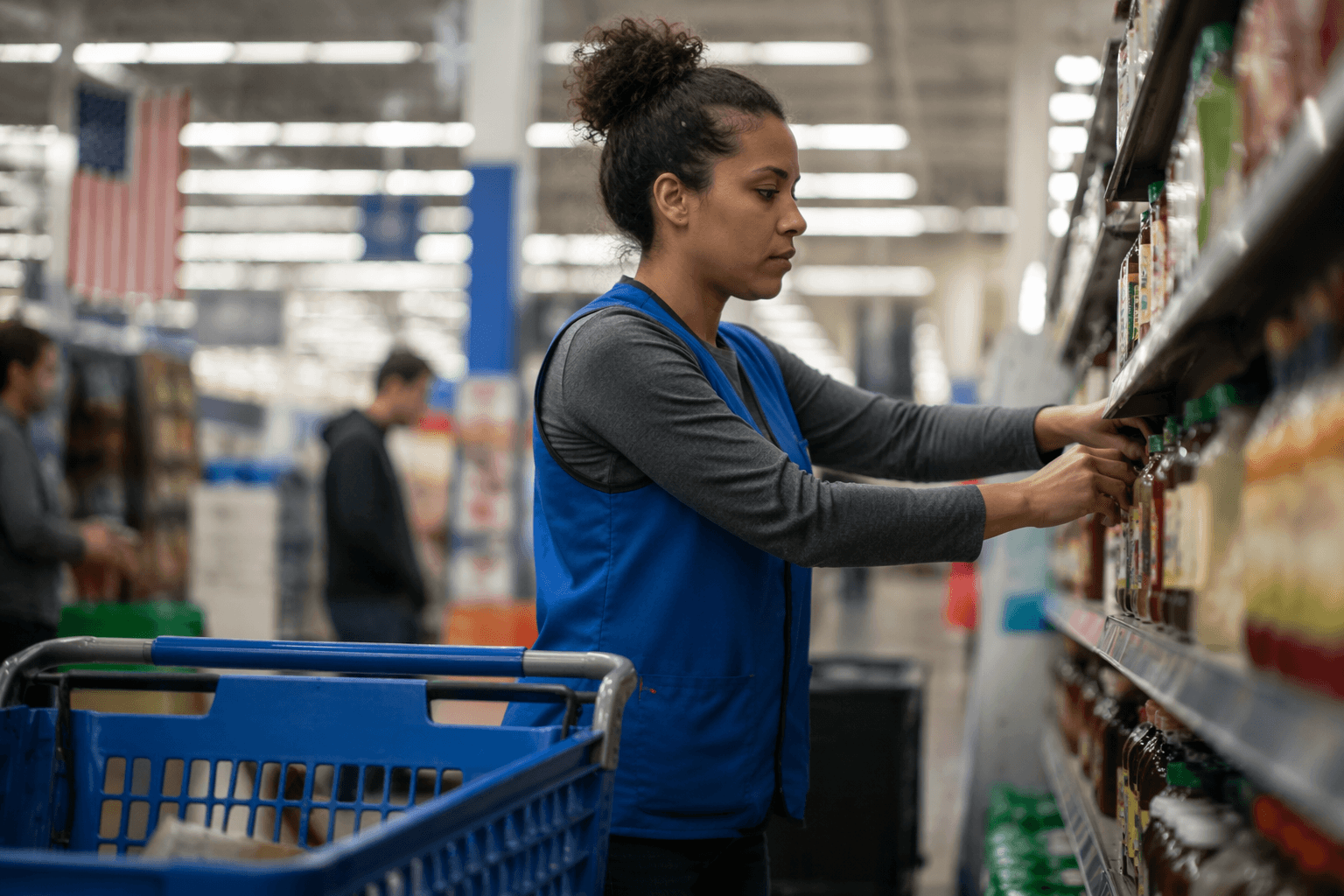
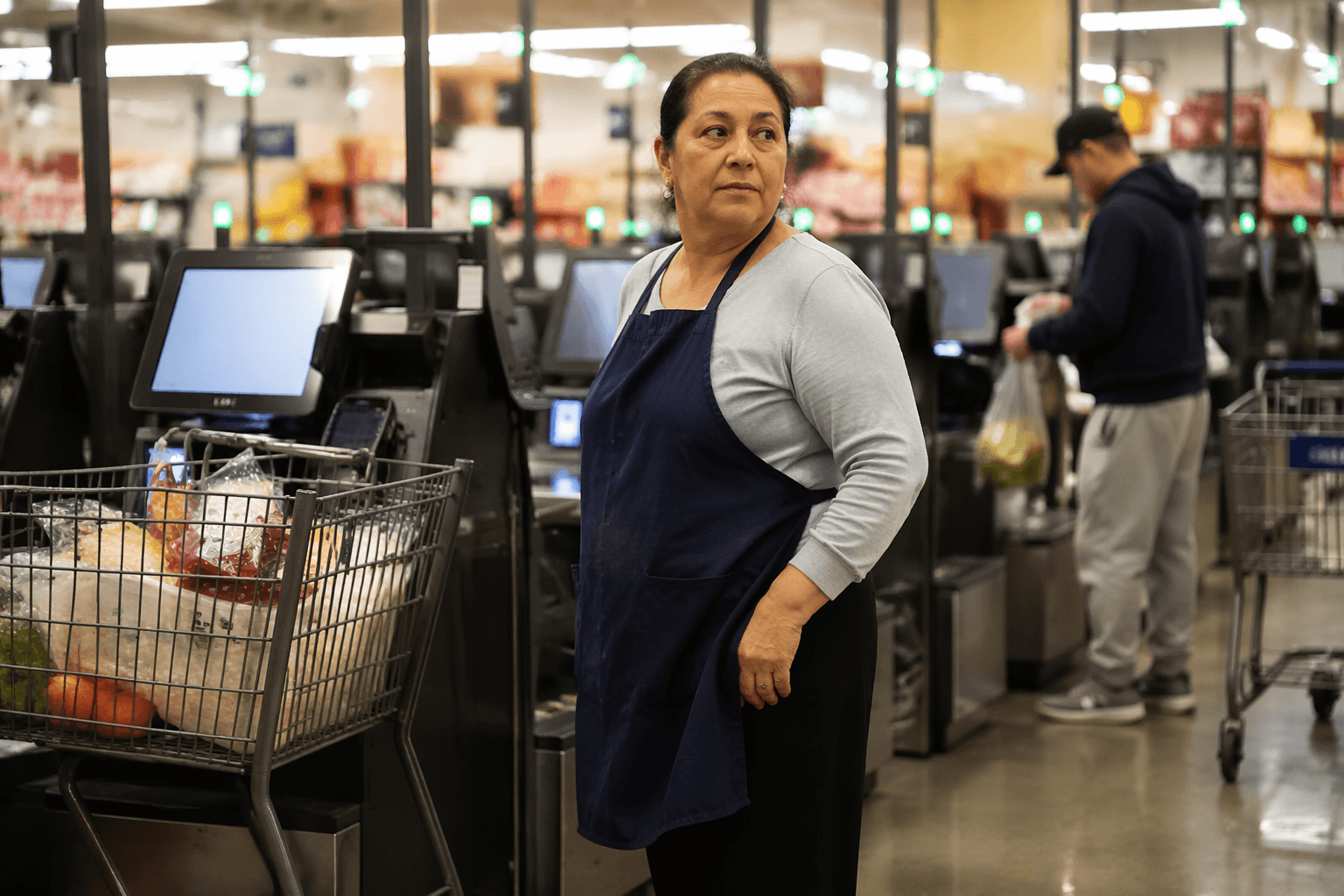
That matters inside the store because inflation anxiety changes how people shop before it changes how much they shop. Customers under pressure tend to compare prices more carefully, swap down to cheaper alternatives, and build smaller baskets while still keeping essentials on the list. On the sales floor, that often looks like more questions about rollbacks, more interest in store brands, and more hesitation before adding discretionary items to the cart.
Where customer caution shows up in the basket
Deloitte’s data points to a consumer who is not pulling back across the board, but who is becoming choosier. Grocery-price expectations rose nine points to 74 percent in March, a reminder that food inflation remains front of mind even when shoppers are not feeling immediate distress in every category. Deloitte also said discretionary spending intentions partially recovered in April after a steep March drop, while nondiscretionary spending intent eased for three straight months from its January peak.
That mix creates the kind of traffic pattern associates already know well: steady demand in necessities, more uneven demand in general merchandise, and a stronger pull toward value-sized packs and lower-price substitutions. If a department feels busier but the register totals are not rising as quickly, that is often a sign that the customer mix is shifting toward cautious buying rather than broader spending growth. It also means questions matter more, because one clear answer about a cheaper option can keep the basket intact.
The Federal Reserve Bank of New York’s March 2026 Survey of Consumer Expectations reinforces the same picture. Fielded from March 2 through March 31, the survey found one-year-ahead inflation expectations rising to 3.4 percent, three-year expectations climbing to 3.1 percent, and five-year expectations holding at 3.0 percent. Year-ahead gas-price expectations jumped 5.3 percentage points to 9.4 percent, the highest since March 2022, and respondents were more pessimistic about their future household finances and future unemployment conditions.
For Walmart workers, that combination helps explain why some shoppers seem calm at the shelf but highly alert at the price tag. They may not say they are cutting back, yet they are shopping as if the next bill could be tighter. The result is a more defensive customer, one who notices a price change quickly and often wants reassurance that a deal is real before committing.
What associates can expect to hear and see
On the floor, that caution usually shows up in specific ways. Customers ask whether a promotion is still active, whether a private-label version exists, and whether a larger pack really costs less per unit. They are also more likely to pause at the shelf edge, compare sizes, and ask an associate to help them find the lowest-cost acceptable option.
That behavior can change how busy a department feels from hour to hour. Grocery, consumables, and other basic categories may stay relatively strong because they sit at the center of the household budget, while discretionary departments can see sharper swings depending on the day, the paycheck cycle, and how customers are feeling about gas and future bills. For team leads and managers, that means replenishment, markdowns, and labor placement need to stay flexible, because the most profitable hour in one area may not look anything like the next one.
The most valuable service on the floor is often the simplest one: help the shopper leave with a workable answer fast. A quick pointer to a lower-priced substitute, a clear explanation of a rollback, or a fast confirmation that a private brand is comparable can make the difference between a completed sale and a basket that gets trimmed at the last second. In a cautious market, that kind of guidance carries real weight.
Why Walmart is built for this moment
Walmart is leaning into the exact strengths that matter when shoppers get more defensive. In its Q1 FY26 earnings release, the company said Walmart U.S. comparable sales rose 4.5 percent excluding fuel, global eCommerce grew 22 percent, and same-day delivery expansion remained on track to reach 95 percent of U.S. households by the end of fiscal 2026. Walmart also said private-brand penetration in grocery was up 60 basis points year over year, a sign that value messaging is still working at the shelf.
The company’s Q4 FY26 results point in the same direction. Walmart said Walmart U.S. eCommerce grew 27 percent, marking the eighth consecutive quarter of eCommerce growth above 20 percent for the segment. Digital solutions and store-fulfilled delivery continued to carry momentum, which matters because customers who are watching every dollar still want convenience, especially when they are trying to stretch one trip into several needs.
That combination of price leadership and convenience is part of why Walmart has remained a key barometer for consumer stress. Higher-income households have increasingly been shopping there for value, while lower-income customers remain stretched, which means the chain is serving both the cautious trade-down shopper and the family that has been living with pressure for a while. Earlier in 2025, Walmart also warned that inflation-weary consumers could pull back, and the more cautious tone in the latest consumer data suggests that warning still has relevance on the floor.
What the leadership shift signals
The consumer backdrop lands at an important moment for the company’s leadership. Walmart announced on November 14, 2025, that John Furner would succeed Doug McMillon as chief executive effective February 1, 2026. Furner started as an hourly associate in 1993 and has led Walmart U.S. since 2019, which means he now oversees the part of the business most exposed to changing shopper sentiment in the United States.
That matters because this is not just a Wall Street story. It is a store-level story about what customers are putting in their carts, how long they pause at the shelf, and how often they ask for a cheaper option. As inflation fears rebound, Walmart’s price image, private brands, and delivery network are becoming even more important to the way shoppers make decisions, and that will shape the work associates do every day.
This article was produced by Prism’s automated news system from verified source data, official records, and press releases, then run through automated quality and moderation checks before publishing. The system is built and supervised by the people who set the standards it runs under. Read our full AI policy.
Did this article answer your question?