Walmart Faces Tighter Labor Pressures as Productivity Gains Lag Costs
Productivity rose 0.8% while labor costs climbed 2.3%, a mix that points to leaner schedules and more automation on Walmart’s store floor.
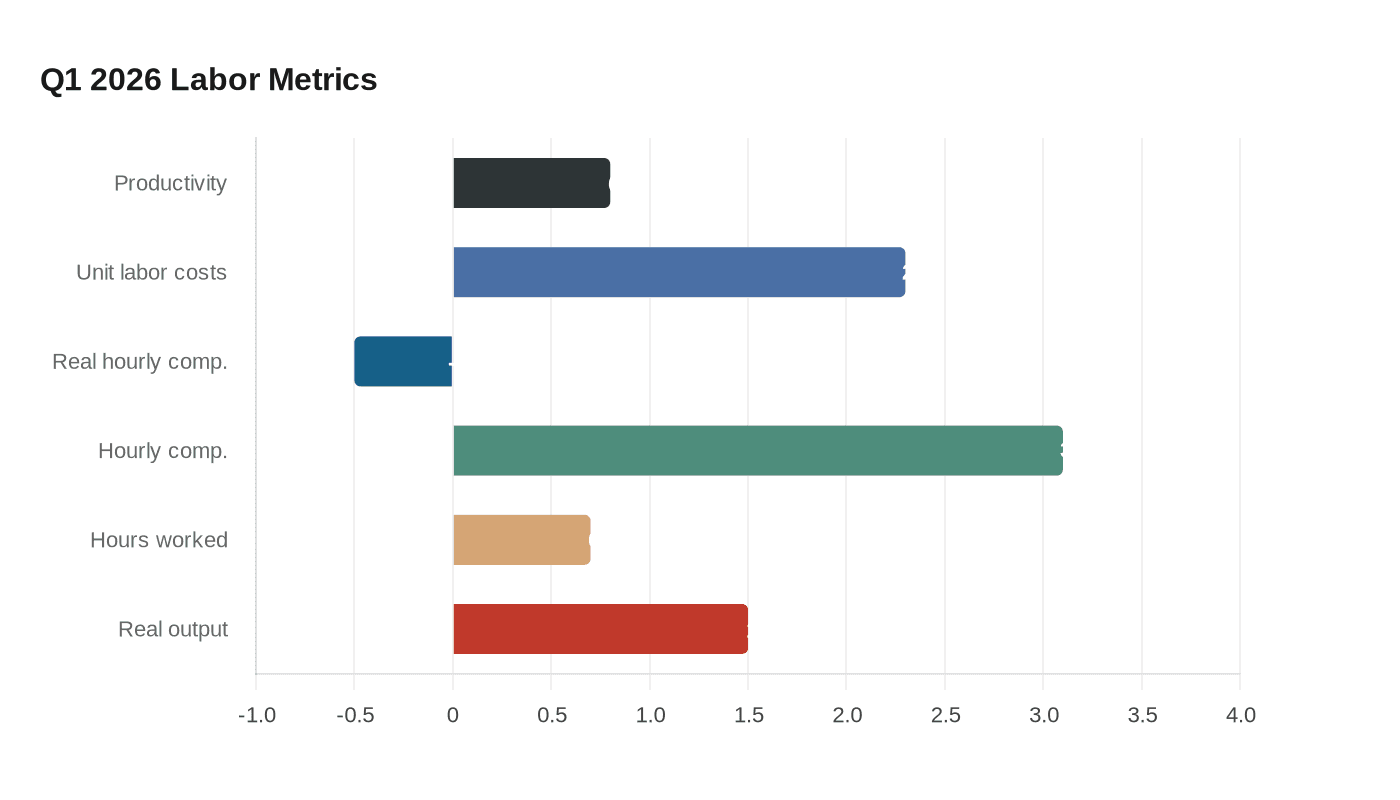
Walmart’s labor math is getting tighter just as the broader economy shows more pressure on paychecks. The U.S. Bureau of Labor Statistics said nonfarm business labor productivity rose 0.8% in the first quarter of 2026, but unit labor costs climbed 2.3% and real hourly compensation fell 0.5%. The labor share of output also dropped to its lowest recorded level since the series began in 1947, a sign that companies are still pushing for more output even as wages and other labor costs remain elevated.
For Walmart associates, that mix can show up in familiar ways: more exacting staffing plans, sharper productivity targets, and more workflow changes tied to technology. BLS said the 2.3% rise in unit labor costs reflected a 3.1% increase in hourly compensation against that 0.8% productivity gain. Hours worked rose 0.7% in the quarter, while real value-added output increased 1.5%. On paper, that is an economy still expanding. On the store floor, it often means management is under pressure to do more with the same or fewer hours.
Walmart has already been moving in that direction. In its Feb. 19 fiscal fourth-quarter 2026 earnings release, Walmart Inc. said it was continuing to invest in supply-chain automation and realizing benefits from automation-related inventory through better unit productivity and lower cost to serve. The company also said labor productivity was improving because of tech-powered enhancements. In the same period, Walmart said its global eCommerce business rose 24%, a reminder that growth is increasingly tied to systems that can move goods faster with less manual handling.
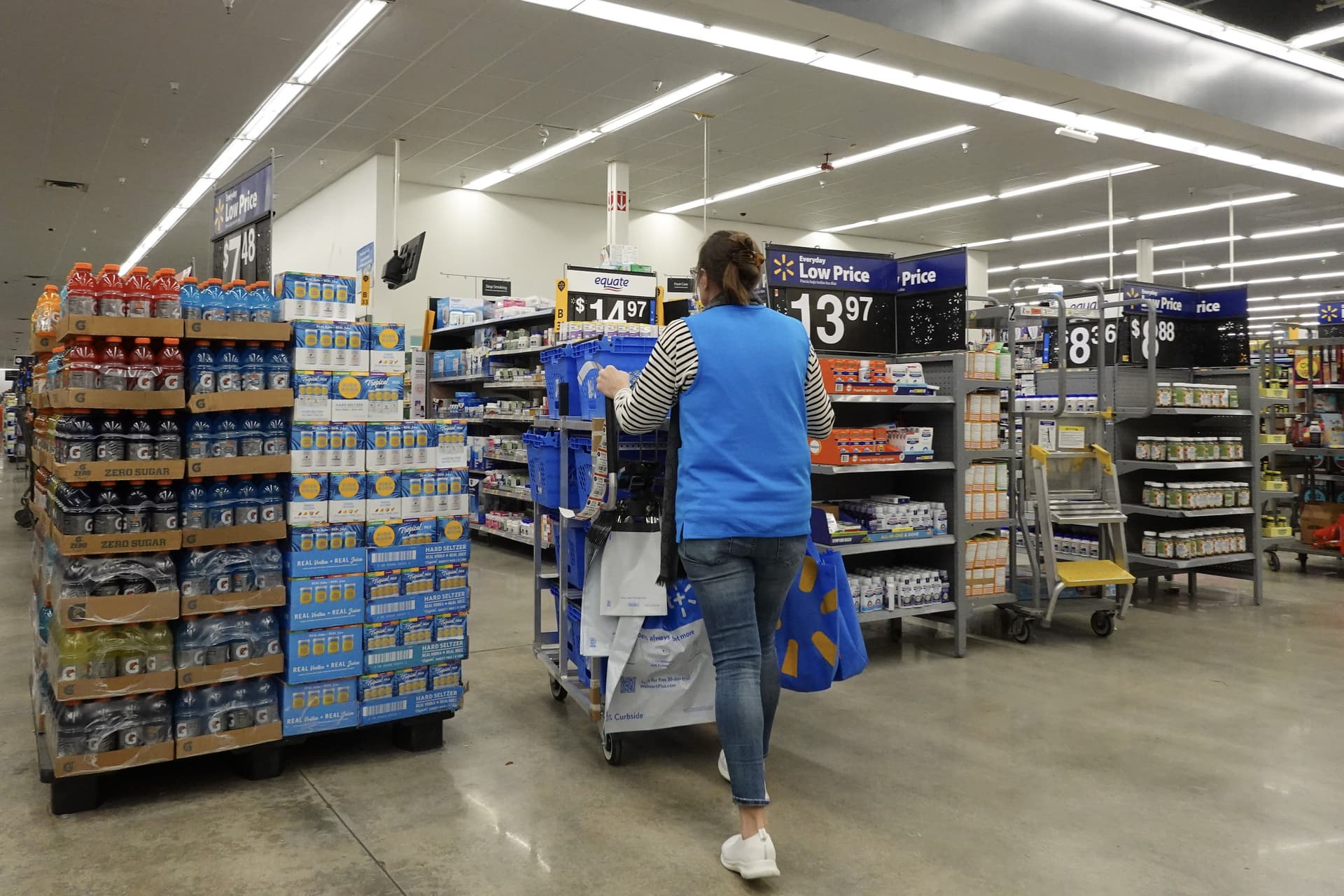
The company’s Nov. 20 fiscal third-quarter 2026 results showed how far that push had reached by late last year. Walmart U.S. said more than 60% of stores were receiving some freight from automated distribution centers, and more than 50% of eCommerce fulfillment-center volume was automated. Those changes, Walmart said, were driving better unit productivity and helping lower the cost to serve. For a store associate, that can mean freight arriving differently, tasks being reorganized around new equipment or software, and managers watching labor more closely against the clock.
Walmart’s April 23 annual-report filing said the company expects to improve operating margin through productivity advancements and capital prioritization. That is the corporate version of the same message running through the BLS report: labor is still being asked to absorb rising costs without a matching jump in output. In Bentonville, Arkansas, and on store floors across the United States, that pressure is likely to keep shaping schedules, pace, and the way Walmart deploys technology through the rest of the year.
This article was produced by Prism’s automated news system from verified source data, official records, and press releases, then run through automated quality and moderation checks before publishing. The system is built and supervised by the people who set the standards it runs under. Read our full AI policy.
Did this article answer your question?