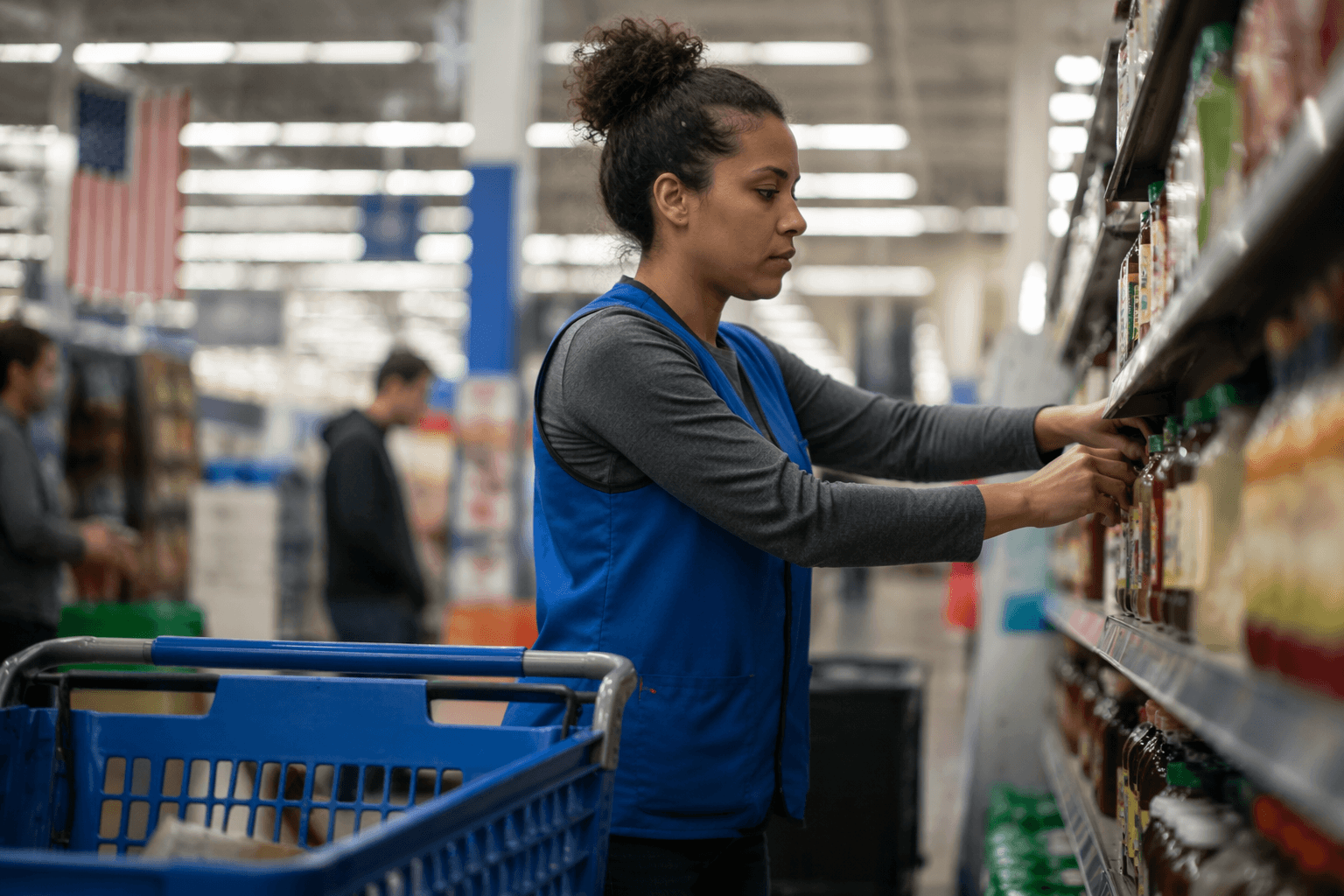
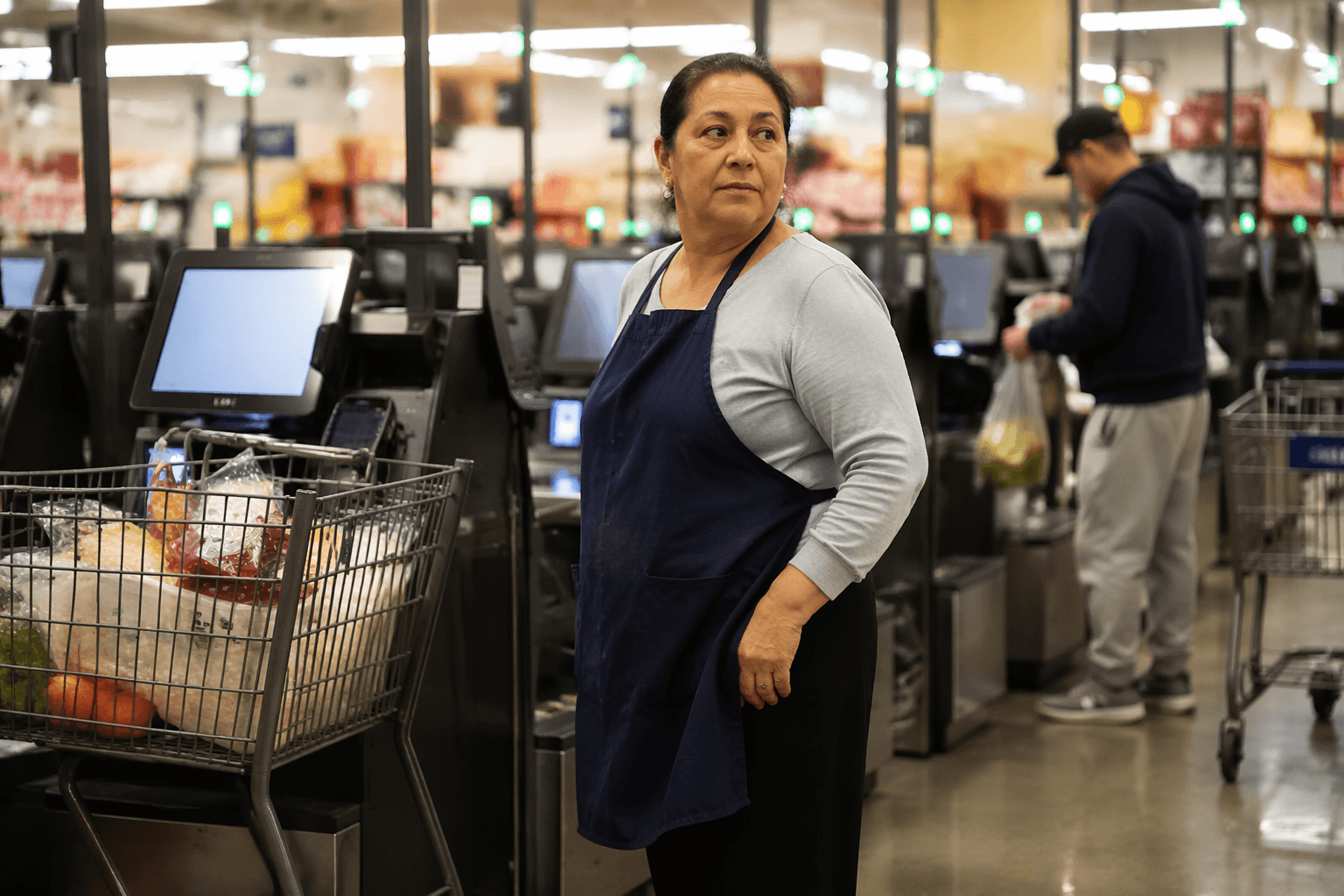
Walmart highlights fairness, belonging, and growth across its workforce
Walmart’s fairness message points to real workplace levers: who gets hired, trained, promoted, and supported, and how fast entry-level roles can turn into bigger jobs.

A Walmart associate can move into a higher-paying role in about seven months, and the company says roughly 75% of salaried store, club and supply-chain managers started out hourly. That is the clearest way to read Walmart’s “workplace for all” message: it is not just culture language, it is a claim about who gets access to opportunity inside a company that employs about 2.1 million associates worldwide and serves about 270 million customers and members each week.
What Walmart means by fairness on the floor
Walmart’s core promise is simple, at least in the way the company says it wants to present it: everyone included. In practice, that means associates are supposed to feel valued for who they are, supported in daily work, and connected to coworkers. The company also says its policies, practices and programs are meant to promote fairness and give every associate the same treatment, with the same access to growth, development and advancement.
That matters in a high-volume retail environment because fairness is not an abstract idea when schedules are tight, lines are long and stores run on a constant handoff between shifts. If people believe the rules are consistent, they are more likely to stay, ask questions and see a future at the company. For hourly workers, that makes the “workplace for all” framing less about branding and more about whether the store actually feels navigable from one week to the next.
Where the company says the system shows up
Walmart says it reports on its workforce twice a year, which gives the company a way to put numbers behind its promises. It also says associate resource groups are open to all associates, making them one of the most visible internal channels for connection, community and engagement.
The company’s broader belonging page ties that work to a People strategy that invests in associate growth, well-being and digital enablement across markets. That matters for managers as well as hourly associates, because it signals that leadership is expected to do more than keep the floor covered. The job also includes creating a respectful workplace, communicating clearly and making sure opportunities do not depend on location, personality or informal access to the right people.
Walmart’s 2025 ESG report adds another layer: management regularly briefs the board’s Compensation and Management Development Committee on workforce development, compensation, benefits, recruiting and retention, training and education, and culture at all levels of the company. That tells associates that staffing, pay, benefits and career development are not side issues. They are board-level topics tied to how the business runs.
The career path behind the promise
For associates trying to understand whether growth is real, Walmart’s own advancement messaging is the most practical place to look. One company page says U.S. associates receive their first promotion in nine months on average. Another says the average entry-level associate is promoted to a higher-paying role in about seven months. Taken together, the message is the same: Walmart wants to be seen as a place where front-line work can turn into a faster ladder than many workers expect.
The company says about 75% of salaried store, club and supply-chain management began as hourly associates. That is the clearest internal pathway Walmart highlights, and it helps explain why the company keeps talking about training and development instead of only hiring. If the pipeline is working the way Walmart describes it, then the company’s first test is whether hourly workers can see the steps between a starting role and a management job.
The 2024 belonging report says the company widened learning pathways and added benefits in fiscal 2024. For associates, that is the difference between a broad statement and something concrete: more training paths can mean more chances to qualify for a new role, while added benefits can change how affordable it is to stay and build a career rather than hop between jobs.
What the numbers say about representation
Walmart’s 2024 belonging report puts hard numbers behind its internal culture message. In the U.S. total workforce, representation of people of color increased by more than 1.4 percentage points year over year, driven by gains in Latinx representation. The same report says women held 51.82% of global positions and 55.80% of U.S. officer roles.
Those figures matter because they show where the company says progress is happening and where it wants to be judged. Representation is not just about who gets hired, but who reaches the jobs with more influence, better pay and greater visibility. For workers on the floor, the signal is that Walmart wants its belonging message to show up in both the hourly workforce and the leadership ranks.
The company frames that work around four pillars: belonging, growth, representation and community. For an associate, that means the test is not just whether the store is friendly. It is whether people from different backgrounds are present, advancing and being retained at every level of the business.
Why the language shifted from DEI to belonging
Walmart’s messaging did not change in a vacuum. In November 2024, the company said it would not renew its five-year, $100 million Walmart.org Center for Racial Equity initiative, which had been created in 2020, and said it would stop participating in some demographic-specific workplace benchmarks, including the Human Rights Campaign’s Corporate Equality Index and the Disability:IN Disability Equality Index. The center completed its work in June 2025.
Walmart has also said some of its move toward “belonging” language began after the Supreme Court’s 2023 affirmative-action ruling. That helps explain why the company now talks less like a corporate DEI campaign and more like a broad workforce strategy focused on inclusion, access and growth. The shift is partly semantic, but it is also political, because large employers are under more scrutiny over how they describe equity work.
For associates, the real question is not what label the company prefers. It is whether the store experience reflects the promise underneath it: consistent treatment, usable pathways to train and move up, and enough support that workers can stay long enough to benefit from those pathways. At Walmart’s scale, that is not just a culture statement. It is a business system that affects who gets a fair shot at the next role, and whether the company’s promise of belonging reaches the sales floor.
This article was produced by Prism’s automated news system from verified source data, official records, and press releases, then run through automated quality and moderation checks before publishing. The system is built and supervised by the people who set the standards it runs under. Read our full AI policy.
Did this article answer your question?