Walmart joins U.S. Cotton Trust Protocol to boost supply chain traceability
Walmart’s cotton traceability push is mostly invisible on the sales floor, but it could shape what buying teams demand, how labels are written and how suppliers prove their claims.
The biggest immediate change for Walmart associates is not a new task at the register or in the back room. Walmart’s move into the U.S. Cotton Trust Protocol is a sourcing change, and the people most likely to feel it first are in apparel, home and seasonal merchandising, where buyers and vendors increasingly have to document what is in a product and where it came from.
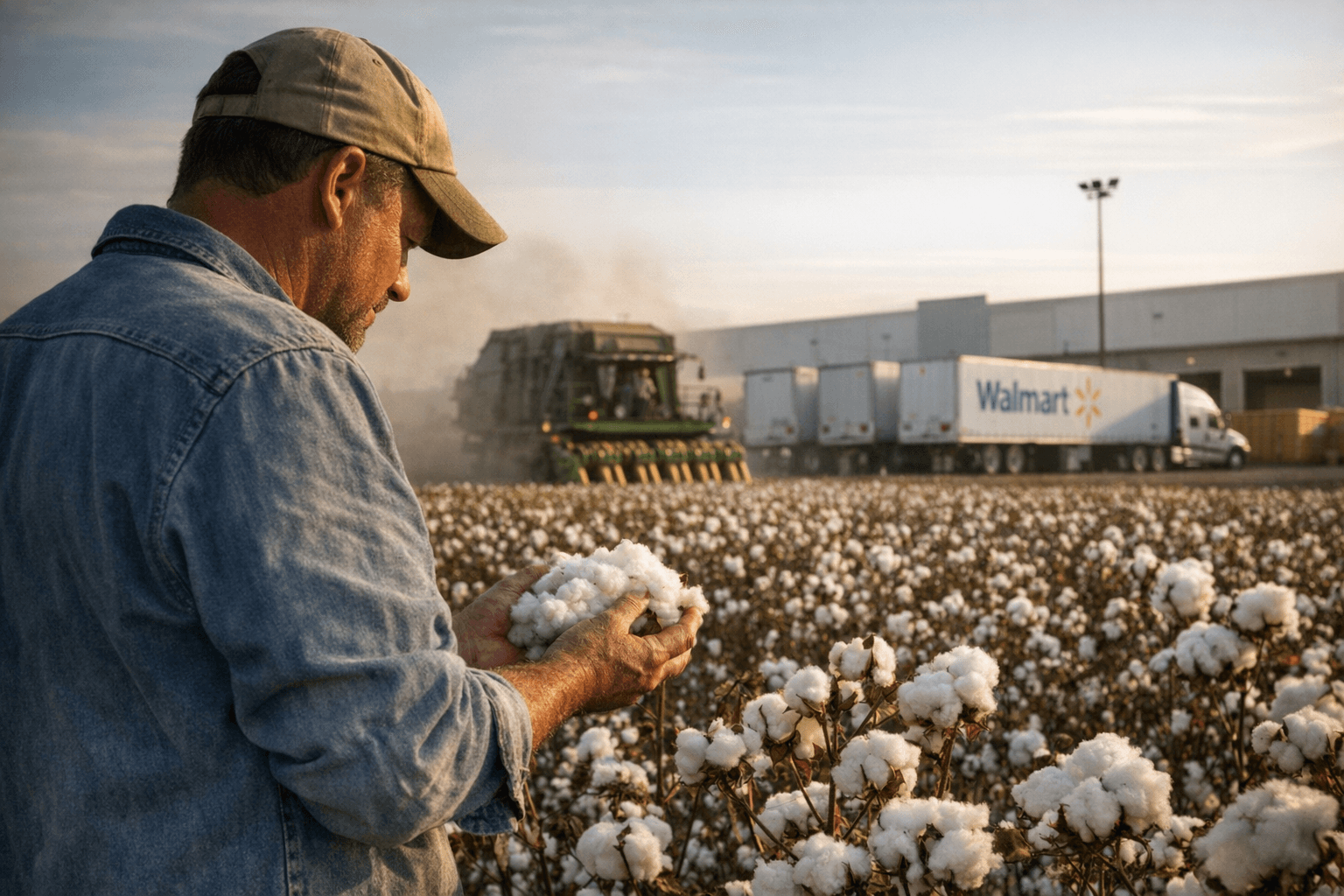
Walmart joined the voluntary program on April 14, gaining access to aggregated, verifiable data from cotton growers and the ability to track U.S. Cotton and Protocol Cotton through its supply chain. That does not mean every store employee will suddenly be checking farm records. It does mean the company can press suppliers for proof behind cotton claims, and that matters when merchandisers decide how cotton-based goods are described, labeled and approved for stores and the website.
The Trust Protocol is built around field-level data on land use, soil health, water management, greenhouse gas emissions, energy use and fiber quality. An independent third party verifies the information before it is used in the system. Since its launch in 2020, the program says it has welcomed more than 45 global brands, including Amazon, Macy’s Inc., Levi Strauss & Co. and URBN. Walmart’s addition gives the group another giant retail channel to influence, and another source of pressure on suppliers who sell into Walmart’s massive assortment.
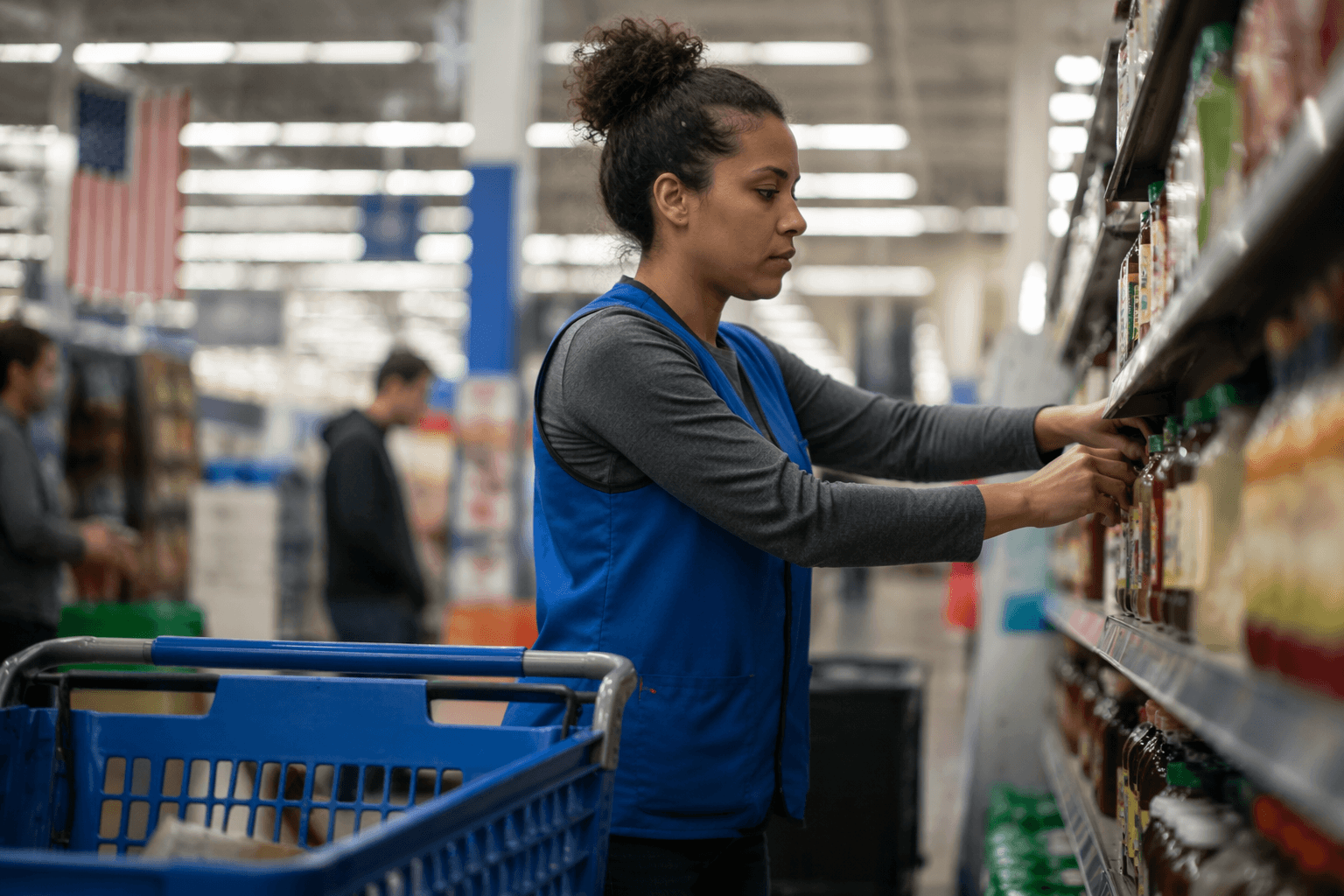
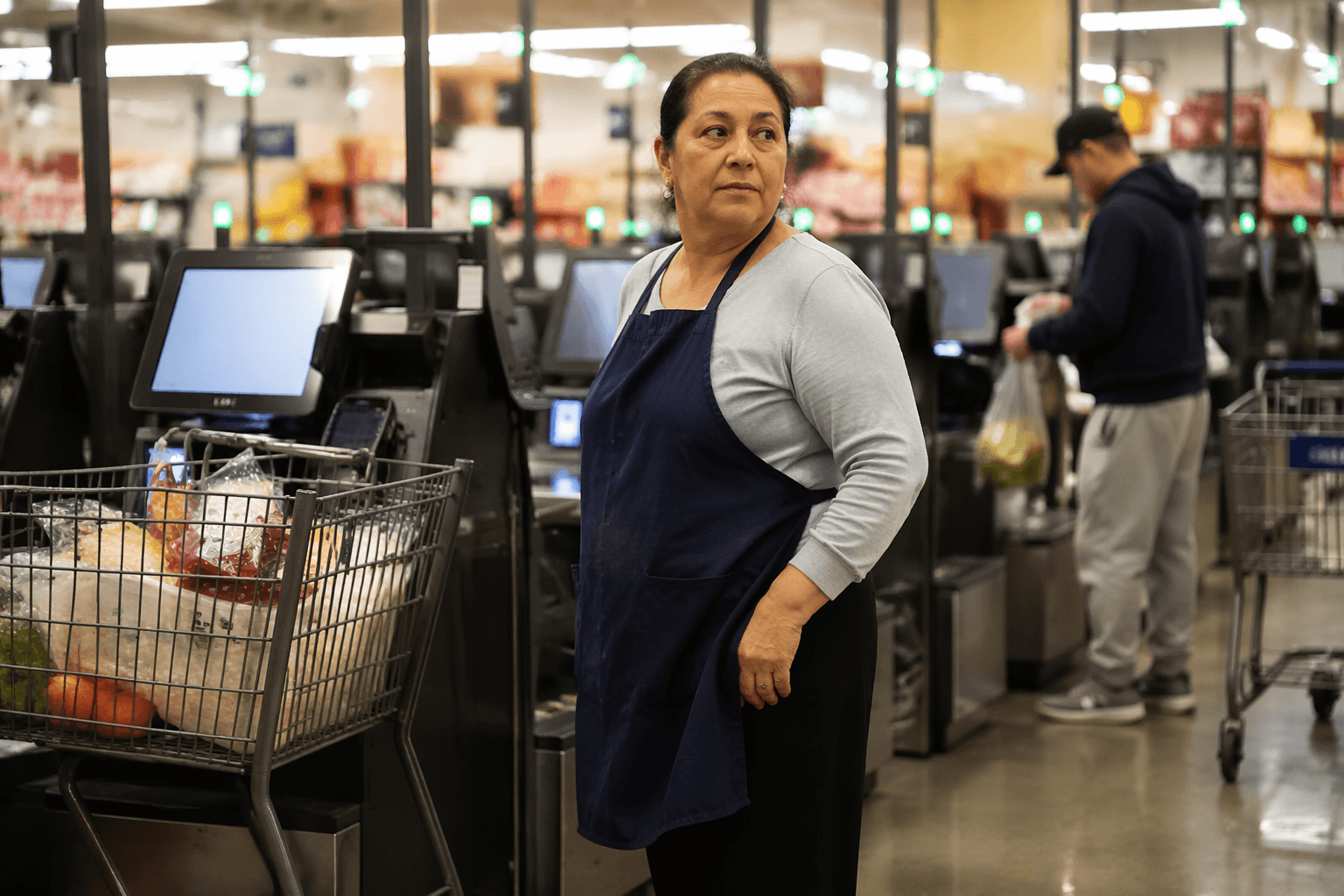
For Walmart workers, the practical effect is mostly behind the scenes, but not meaningless. Store-level apparel, home and seasonal teams already live in a world where product details, vendor compliance and sustainability claims can affect what shows up on shelves and in online listings. Better traceability can shape how cotton goods are sourced, how suppliers answer questions from merchants and how the company supports claims attached to towels, T-shirts, bedding and other items made with cotton. It is also a sign that traceability is becoming part of ordinary retail operations, not just corporate reporting.
Walmart says its sustainability efforts focus on strengthening product value chains to improve supply certainty, catalyze innovation and growth, maintain everyday low cost and build stakeholder trust. The scale explains why this matters operationally: Walmart’s FY2025 ESG report said the company had more than 10,750 stores and eCommerce websites in 19 countries and generated $681 billion in total revenues. At that size, even a seemingly narrow cotton program can ripple through buying, compliance and supplier conversations far beyond Bentonville.
This article was produced by Prism’s automated news system from verified source data, official records, and press releases, then run through automated quality and moderation checks before publishing. The system is built and supervised by the people who set the standards it runs under. Read our full AI policy.
Did this article answer your question?