Walmart marketplace fuels general merchandise growth, expands at 20% pace
Marketplace is now driving Walmart’s general merchandise push, bringing more SKU confusion, returns questions, and pickup explanations to the store floor.
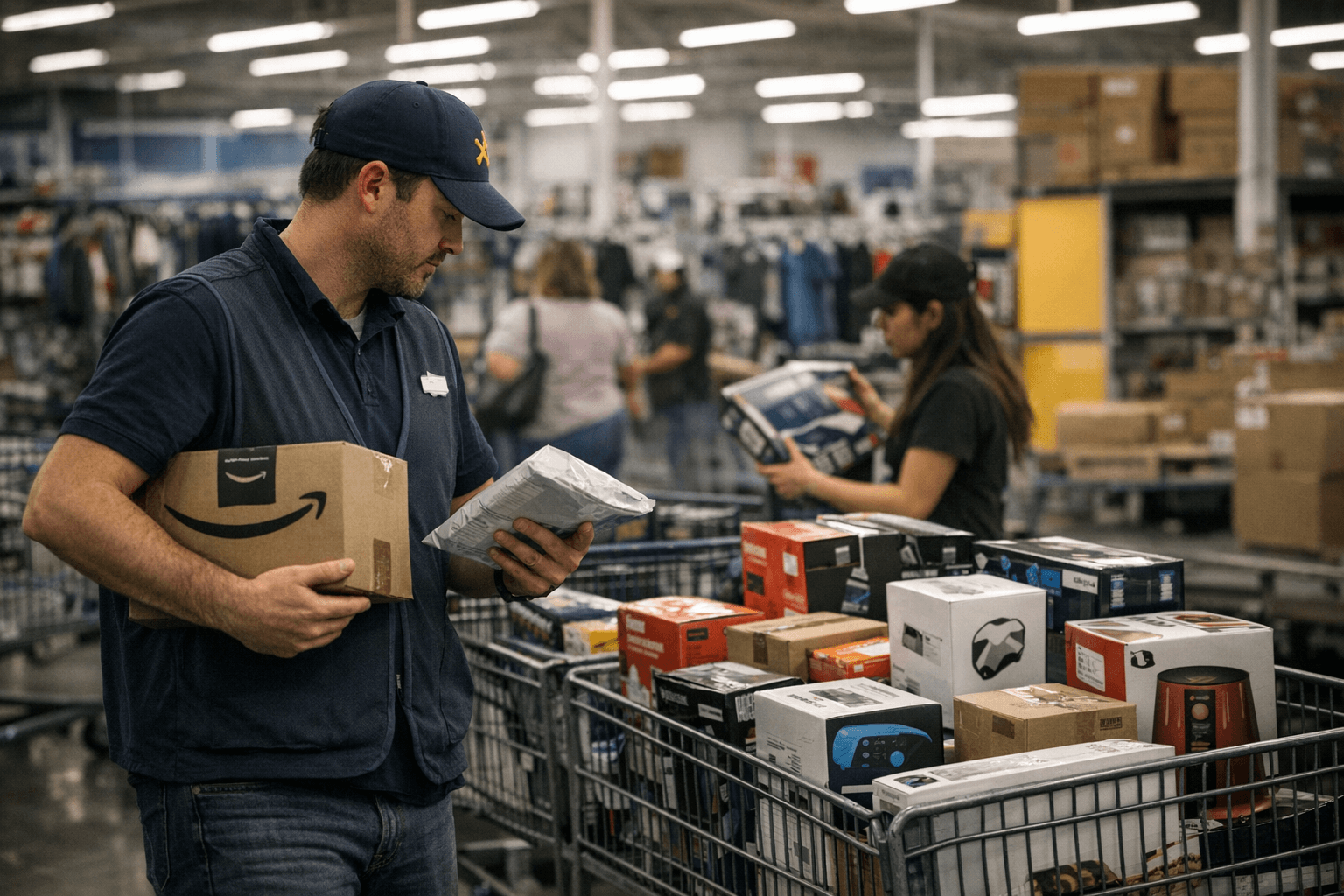
The clearest sign that Walmart’s marketplace is no longer a side business is what it means for the store floor: more shoppers asking why something is online but not on the shelf, more returns routed back through stores, and more confusion over whether an item is sold by Walmart or a third-party seller.
John David Rainey, Walmart’s chief financial officer, said at JPMorgan Chase’s 12th Annual Retail Roundup on April 8 that marketplace is one of the main engines behind the company’s push to grow general merchandise. He said the business is expanding at about a 20% pace, with home, hardlines and fashion growing especially fast, some categories at more than 30%. By the holiday season, Walmart had roughly three times as many sellers as it did a year earlier.
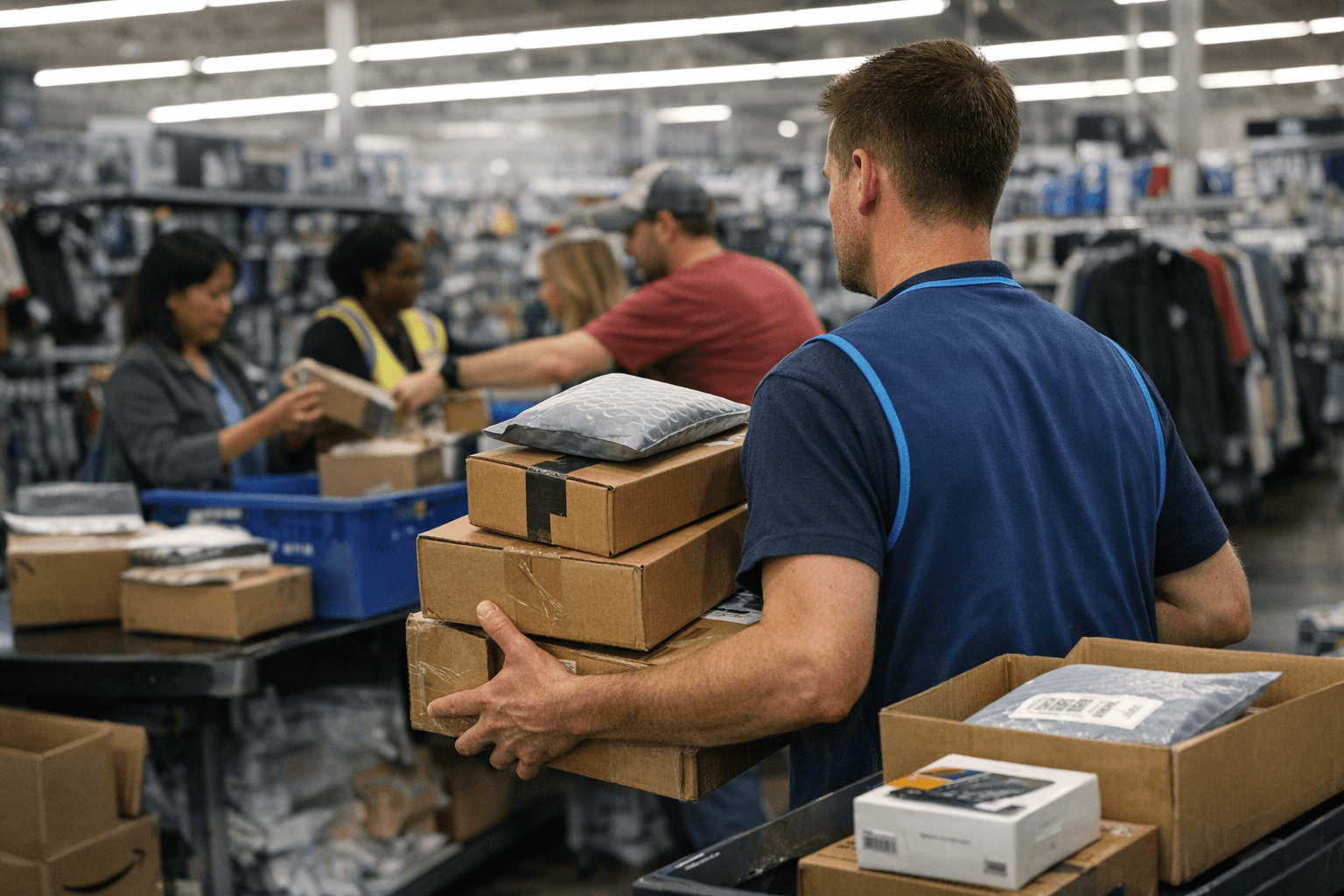
The scale helps explain the pressure on store teams. Walmart said in July 2025 that its marketplace assortment on Walmart.com had passed more than half a billion items. The company has also said it is chasing 300 must-have brands, with about half already secured and 75 added over the past year. For hourly associates and department managers, that means more customer questions about whether an item can be picked up, substituted, returned or shipped, and more need to know which products are Walmart-owned inventory and which come from marketplace sellers.
Walmart has already built store-based returns for marketplace items into its trust-and-safety approach, which puts a digital strategy directly onto the front end of store operations. The company says it uses seller vetting, pre-listing protections, AI-driven monitoring and customer-facing policies to protect shoppers and brands. That matters on busy days in apparel, home goods and hardlines, where wrong-size, wrong-color and wrong-seller problems can quickly turn into service headaches at the service desk.
Walmart’s annual report shows this is now part of core retail infrastructure, not a side channel. The U.S. business includes online marketplace sellers, fulfillment capabilities for those sellers and data analytics for merchants and suppliers. In its 2025 annual report materials, Walmart said revenue grew 5.1% and global eCommerce grew 20.8%. Marketplace momentum has been strong too, with Walmart saying its U.S. marketplace grew 34% in the last quarter of fiscal 2025.
For store leaders, the message is clear: more assortment can bring more sales, but it also brings more operational work. The broader the catalog gets, the more discipline Walmart needs around pickup, stock accuracy, signage and customer service if it wants marketplace growth to feel seamless instead of messy.
This article was produced by Prism’s automated news system from verified source data, official records, and press releases, then run through automated quality and moderation checks before publishing. The system is built and supervised by the people who set the standards it runs under. Read our full AI policy.
Did this article answer your question?