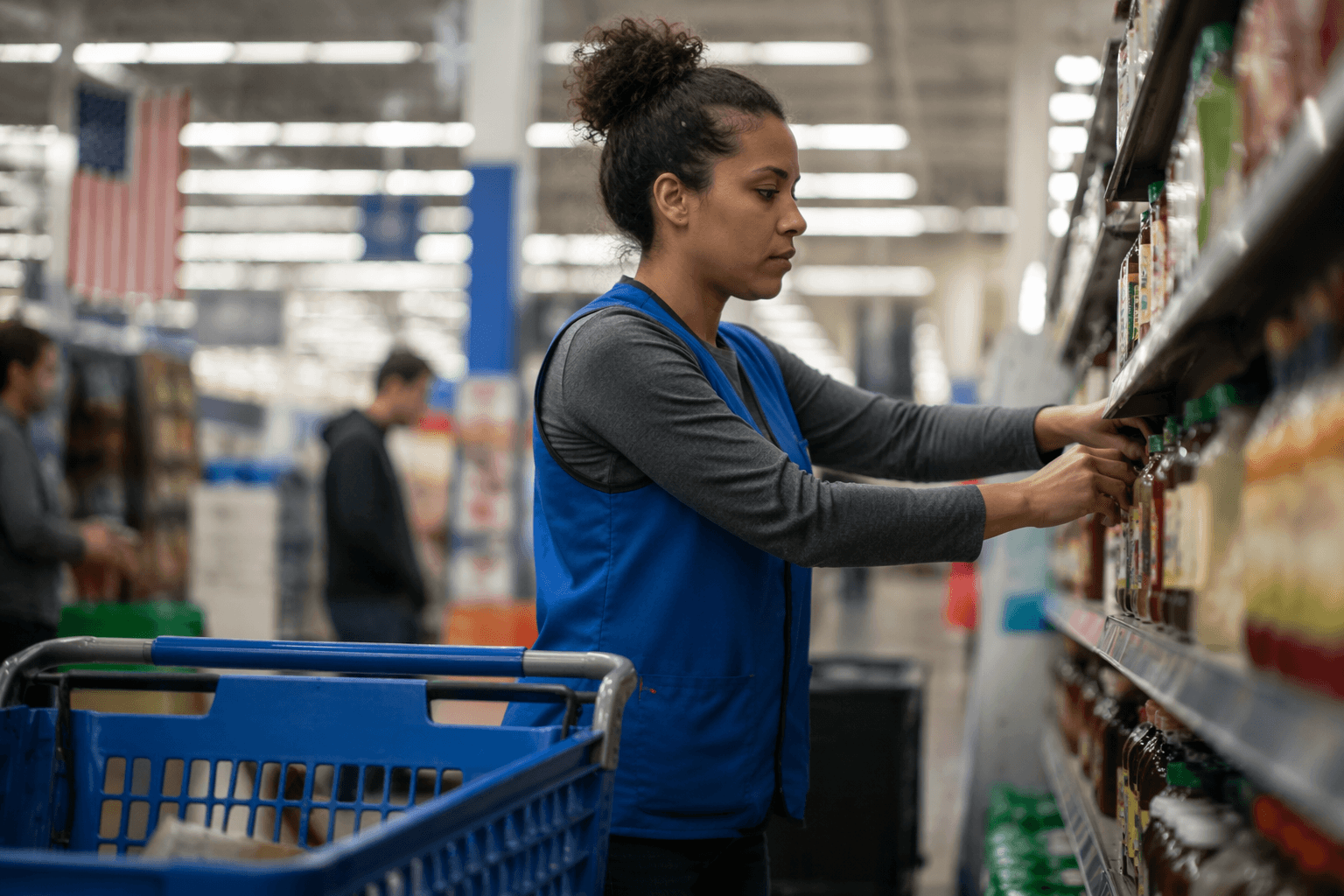
Walmart labor costs rise as benefits outpace wage gains in first quarter
Walmart’s benefit costs rose faster than wages in the first quarter, a sign that pay, coverage and scheduling will stay under pressure even with sales growth.
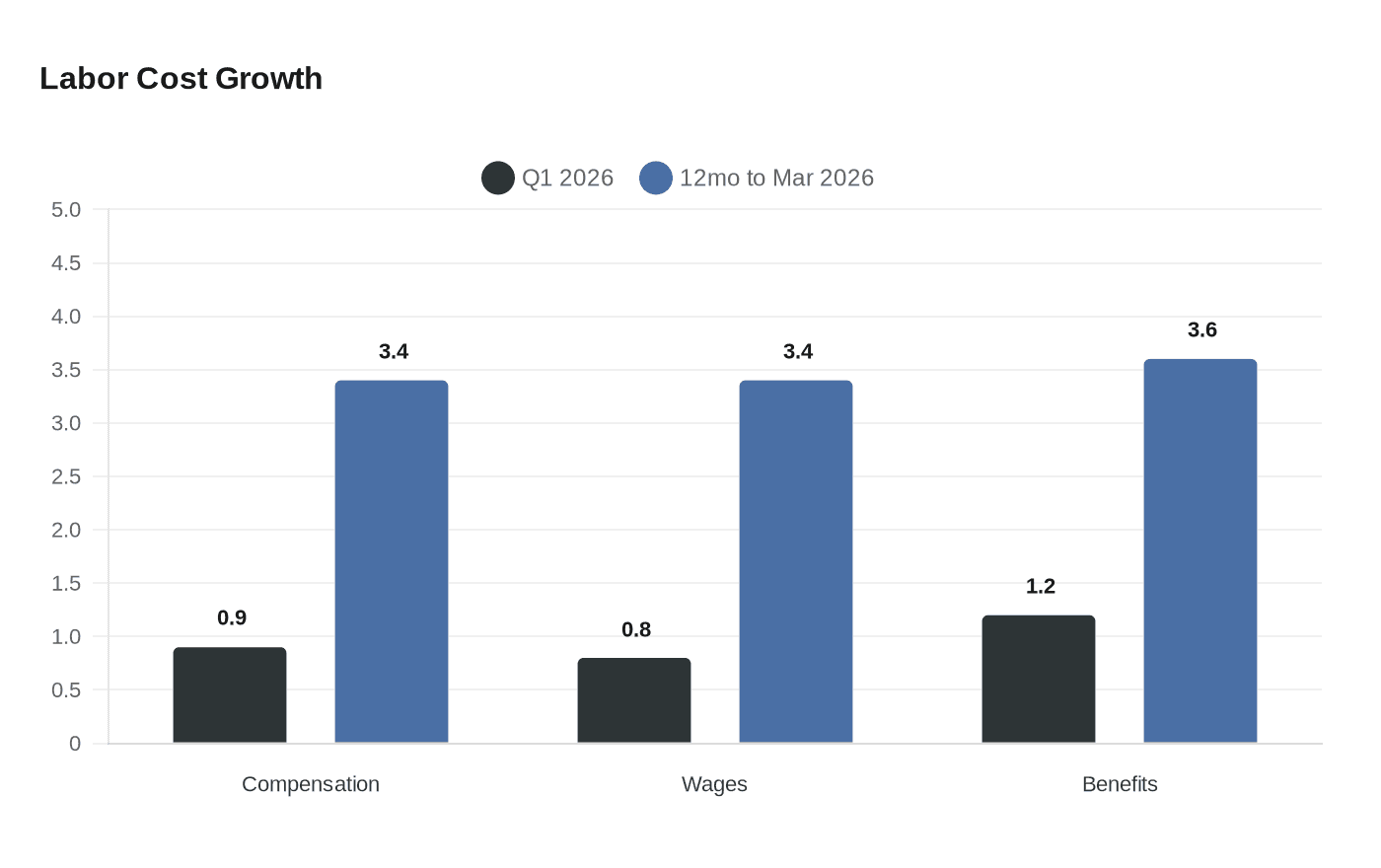
Benefit costs rose faster than wages in the first quarter, and that gap matters at Walmart because it shows where the pressure sits: not just in paychecks, but in health coverage, retirement savings and the hours managers have to protect. The Bureau of Labor Statistics said compensation costs for civilian workers rose 0.9% in the first quarter of 2026, while wages and salaries increased 0.8% and benefit costs jumped 1.2%.
Over the 12 months ending in March 2026, total compensation rose 3.4%, wages rose 3.4% and benefit costs climbed 3.6%. That is not a signal that Walmart is about to slash benefits or freeze raises. It does show why labor remains one of retail’s biggest moving costs, especially for a company that employs hundreds of thousands of people across stores, clubs, supply chain operations and home delivery. When benefits rise faster than pay, retailers typically have to juggle tighter labor plans, more pressure on productivity and constant attention to turnover.
Walmart’s own benefits materials underline how broad that cost structure has become. The company’s 2026 Associate Benefits Book took effect Jan. 1, 2026. The Walmart 401(k) Plan became effective Feb. 1, 2026, and the Associate Stock Purchase Plan took effect April 1, 2026. Walmart also says its average hourly wage for U.S. frontline associates is close to $18, and more than 90% of U.S. roles do not require college degrees.

Pay is changing too. Walmart shifted U.S. store-based annual raises to a performance-based system for associates hired on or before July 31, 2025. Under that approach, top performers can receive up to a 5% increase depending on tenure and ratings, replacing a model tied only to years of service. For hourly associates, that means the size of a raise now depends more directly on store-level evaluations and less on simply sticking around.
The labor bill lands at a moment when Walmart is still growing but also watching margins closely. In its Feb. 19, 2026 earnings report, the company said U.S. eCommerce sales rose 27% in the quarter and that it was managing inventory levels and costs. CNBC reported that Walmart’s current fiscal-year earnings outlook fell short of Wall Street’s expectations. That combination is the real story for workers: strong sales can coexist with intense cost discipline, and the first places that pressure usually shows up are staffing, scheduling and the next round of benefits and wage decisions.
Walmart has also kept expanding the range of jobs it uses to move people up the ladder, saying some salaried store, club and supply chain management roles can pay more than $117,000 annually. In Bentonville, Arkansas, the company’s labor model still rests on the same equation it has been chasing for years: keep wages competitive enough to hire, keep benefits broad enough to retain, and keep the rest of the operation lean enough to stay profitable.
This article was produced by Prism’s automated news system from verified source data, official records, and press releases, then run through automated quality and moderation checks before publishing. The system is built and supervised by the people who set the standards it runs under. Read our full AI policy.
Did this article answer your question?