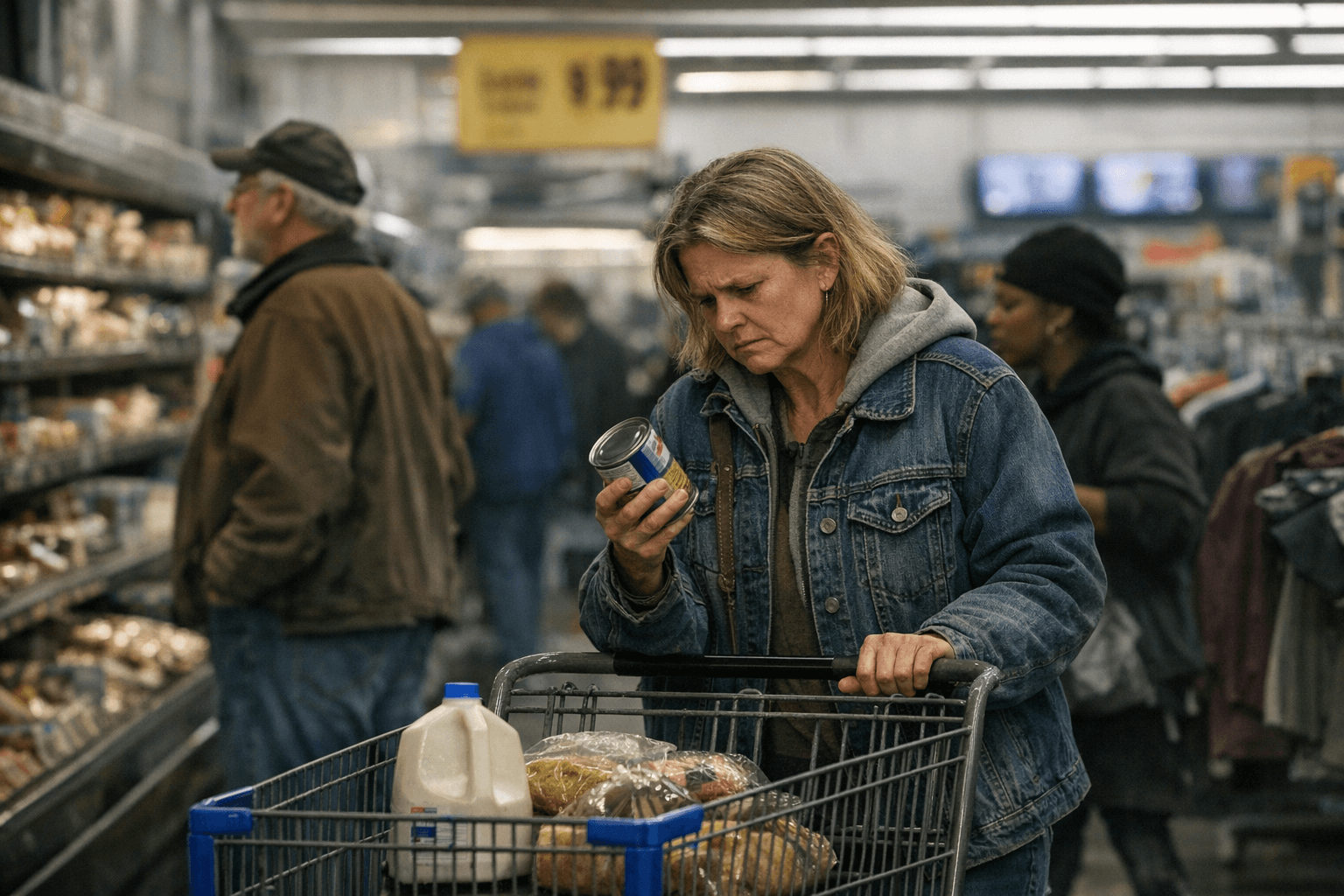
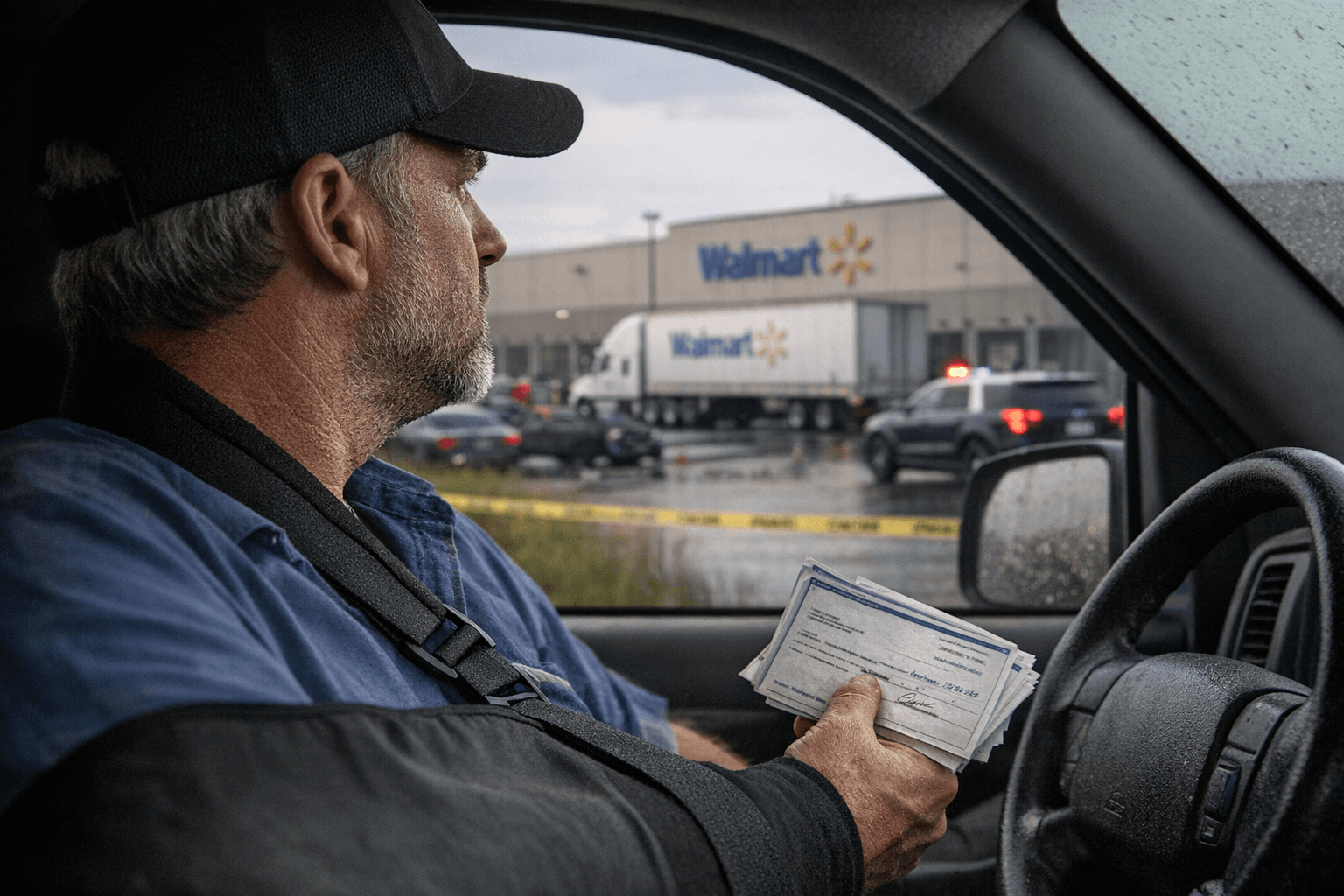
Walmart Raises Banana Prices 8% Ahead of Proposed Import Tariffs
Bananas at Walmart now ring up at 54 cents a pound, already 8% higher, and the tariff that's supposed to justify the increase hasn't even hit yet.
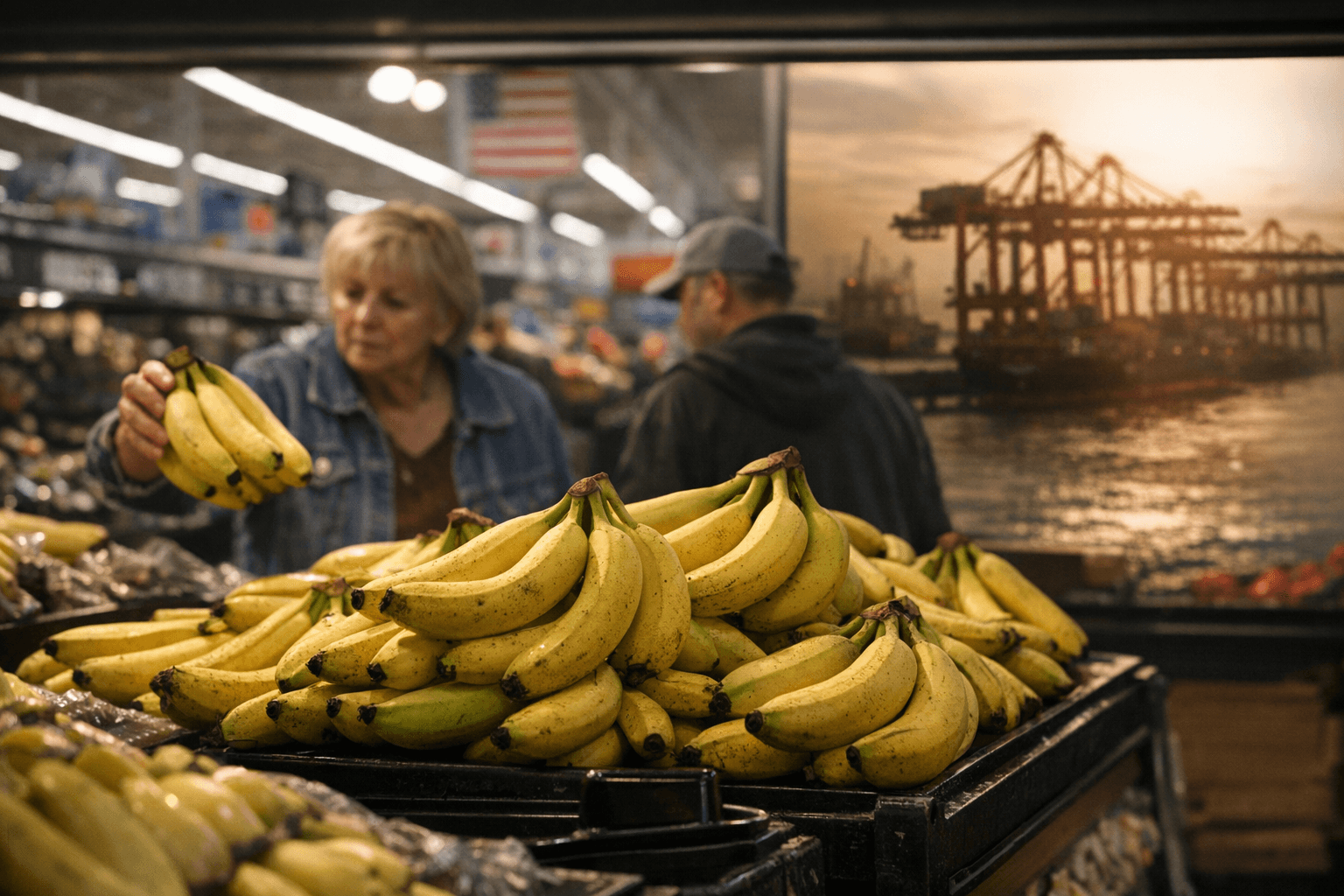
Four cents per pound on bananas sounds negligible until the self-checkout lane backs up with customers questioning the new price. Walmart raised banana prices 8%, from $0.50 to $0.54 per pound for fruit imported from Costa Rica, a move cited in tariff discussions with Howard Lutnick and implemented ahead of a proposed 10% import tariff. The change was already live in the system, meaning produce associates and front-end teams were fielding customer questions before most shoppers had heard the word "tariff."
When a customer challenges the banana price at the scale or the register, the straightforward answer is that the increase is real, already in the system, and reflects rising import costs. Tariffs on goods from Costa Rica, Peru, and Colombia pushed up Walmart's grocery costs across categories including avocados, coffee, and roses in addition to bananas. Walmart executive Rainey told the Associated Press, "We're very dependent upon imports for these types of products," and noted that some goods simply cannot be shifted to domestic production.
Executives told industry analysts Thursday that Walmart was doing everything possible to absorb tariff costs ordered by President Donald Trump, but the magnitude of the duties, described as the highest since the 1930s, made some price increases unavoidable. Rather than tagging each item with a line-item tariff surcharge, Walmart absorbed costs at the department or category level on general merchandise. Bananas are a weekly staple, and a price move on that item registers with shoppers faster than a shift on a private-label cleaning product.
The tariff environment shifted rapidly. Trump's threatened 145% import taxes on Chinese goods were reduced to 30% in a deal announced Monday, with some higher tariffs paused for 90 days. Tariffs on Latin American suppliers remained in effect, and Walmart asked suppliers to substitute materials where possible, swapping fiberglass for aluminum after aluminum was hit with tariffs in early March.
Bananas were not where the price pressure stopped. Rainey told the AP that car seats made in China and currently priced at $350 at Walmart would likely cost customers another $100. Baby strollers are also sourced from China. He emphasized that the increases were hitting basic necessities, not just discretionary categories like patio furniture or seasonal fashion.
Produce associates tracking shrink should note how the higher retail affects markdown timing. Fruit that sits longer before a markdown gets approved costs more at 54 cents per pound than it did at 50. That updated retail is worth flagging to a department manager rather than overriding manually at the register.
Walmart was not alone. Mattel, Stanley Black & Decker, and Procter & Gamble all announced price increases or plans to raise prices. Walmart customers had already absorbed three years of inflation, and Rainey specifically flagged that pressure. The banana increase landed before the full tariff picture settled, a preview of the pricing adjustments likely still to come across the store floor.
Know something we missed? Have a correction or additional information?
Submit a Tip