Western Union agent model offers small merchants extra revenue
Western Union's agent model can add fee income to a small shop, but the real workload is identity checks, AML controls, and audit-ready discipline.
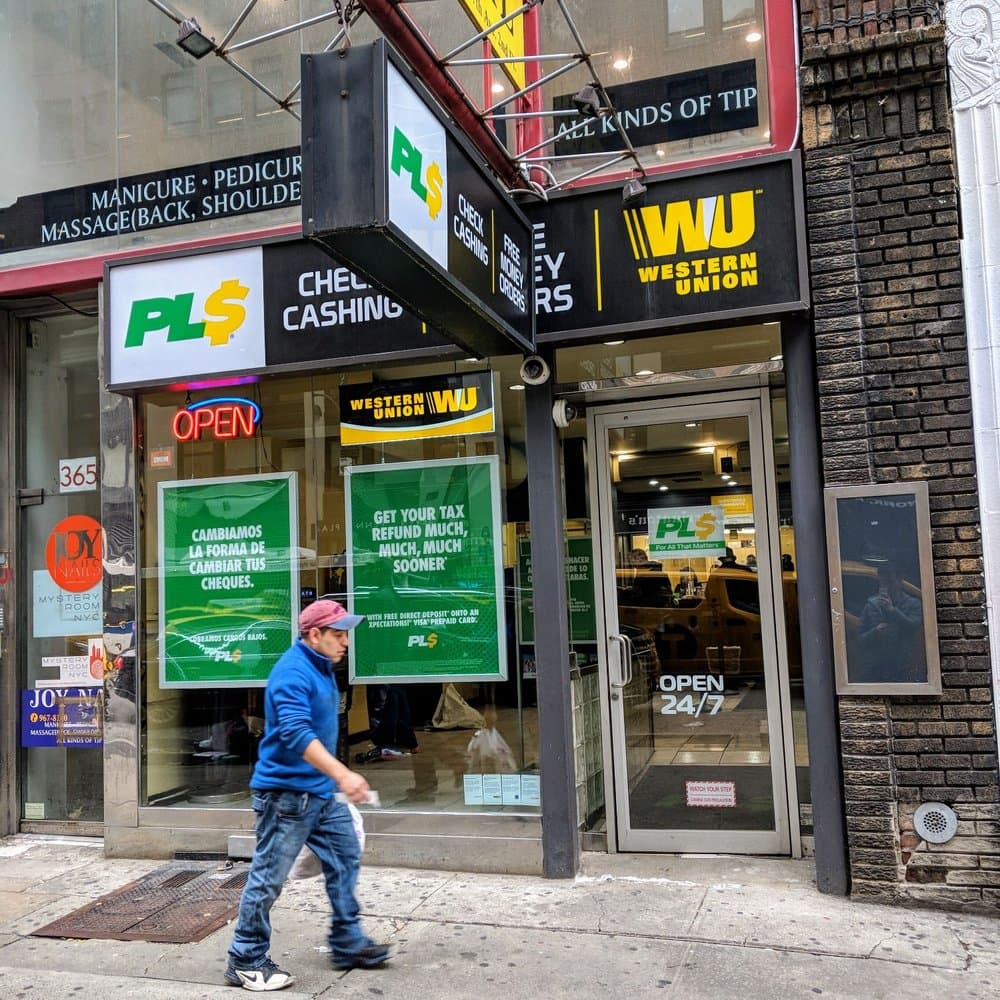
At a Western Union agent counter, pricing is set by the system, identification is checked at the register, and compliance work runs alongside ordinary retail traffic. Inside the store, though, it functions like a miniature remittance desk. For a merchant, the appeal is extra revenue from transactions that fit into an existing location, but the tradeoff is a business line that demands training, documentation, and constant attention to rules.
How the agent model fits into a retail location
Western Union agents are independent businesses authorized to sell its services, which is why the model suits convenience stores, newsagents, pawnbrokers, travel agencies, and other small operators that already serve walk-in customers. A location generally needs only a computer, internet access, and sometimes a printer to get started. That keeps the entry point lower than building a stand-alone financial-services branch, but it also means the merchant is adding a regulated service to a retail floor already crowded with lottery sales, tobacco, bill payments, and cash handling.
That setup makes the model a way to earn incremental revenue rather than launch a separate business. The agent does not become a bank, but it does take on a payment function tied to a global money-movement platform. For owners who already manage foot traffic and cash, the opportunity is to turn an existing counter into a point of sale for remittances without creating a new storefront.
What Western Union provides before launch
It supplies the software, a free starter pack, branding materials, and training, so the merchant is not expected to build the payments operation from scratch. That package matters because the first barrier for a small retailer is not just technology, but also the visual and procedural setup needed to make a money-transfer counter feel credible to customers. Agents also have access to customer support, which is part of the operational backstop that keeps a small shop from having to solve every issue alone.
Training is not a one-time onboarding formality. Western Union said in a Totara customer story that it had to deliver operational and compliance training to about 500,000 agents in up to 50 languages.
How the money flows through the counter
The economics are straightforward on paper. The customer pays a transfer fee, and the agent earns a commission on that fee for each transaction processed. The store is not negotiating prices at the register; the system calculates pricing based on the transfer amount, service, and destination country. The total cost can vary by payment method, delivery type, and exchange-rate movements, so the fee a customer sees is tied to a live set of variables rather than a fixed menu.
At the counter, the service has to be explained clearly without improvising the economics. The agent enters customer information into the Western Union system, checks identification, collects cash for outgoing transfers, and pays out funds for incoming transfers. Customers must bring valid identification for in-person transfers, which turns the counter into a place where paperwork and people skills matter just as much as transaction volume.
Western Union says its network spans more than 515,000 agent locations in more than 200 countries and territories. Its investor materials describe a broader footprint of hundreds of thousands of retail locations and over 130 currencies.
Why compliance is the real daily pressure
The most important operational distinction in Western Union’s model is that compliance is not a back-office side task. Agents receive guidance on the legislation they must comply with, and they are responsible for implementing anti-money-laundering procedures. That means the store owner or manager is not just selling a financial product, but also policing identity, transaction patterns, and recordkeeping in real time.
That burden is not theoretical. In 2017, the U.S. Department of Justice said Western Union agreed to forfeit $586 million, admit criminal violations including willfully failing to maintain an effective AML program, and undergo a three-year independent compliance audit. The department also said it had charged and convicted 29 owners or employees of Western Union agents for fraudulent and structured transactions since 2001.
For a merchant, the practical consequence is that the day is split between retail service and controlled financial activity. Cash must be handled carefully, identities must be checked consistently, and suspicious behavior cannot be brushed aside as just another customer interaction.
The real tradeoff for small merchants
Western Union’s agent model is attractive because it layers a commission stream onto an existing store without requiring a full financial-services buildout. The brand materials, software, and starter training reduce the launch burden, and the company’s global network gives the counter a familiar product with steady demand from customers sending money abroad or picking up cash. For a small merchant, that can mean traffic, fee income, and a new reason for customers to stop in.
This article was produced by Prism’s automated news system from verified source data, official records, and press releases, then run through automated quality and moderation checks before publishing. The system is built and supervised by the people who set the standards it runs under. Read our full AI policy.
Did this article answer your question?