Western Union spotlight shows how technologists bridge legacy and modernization
Zafar's spotlight shows Western Union's tech job now sits between two demands: keep legacy payment rails running, and build cloud-native systems that can scale across countries.
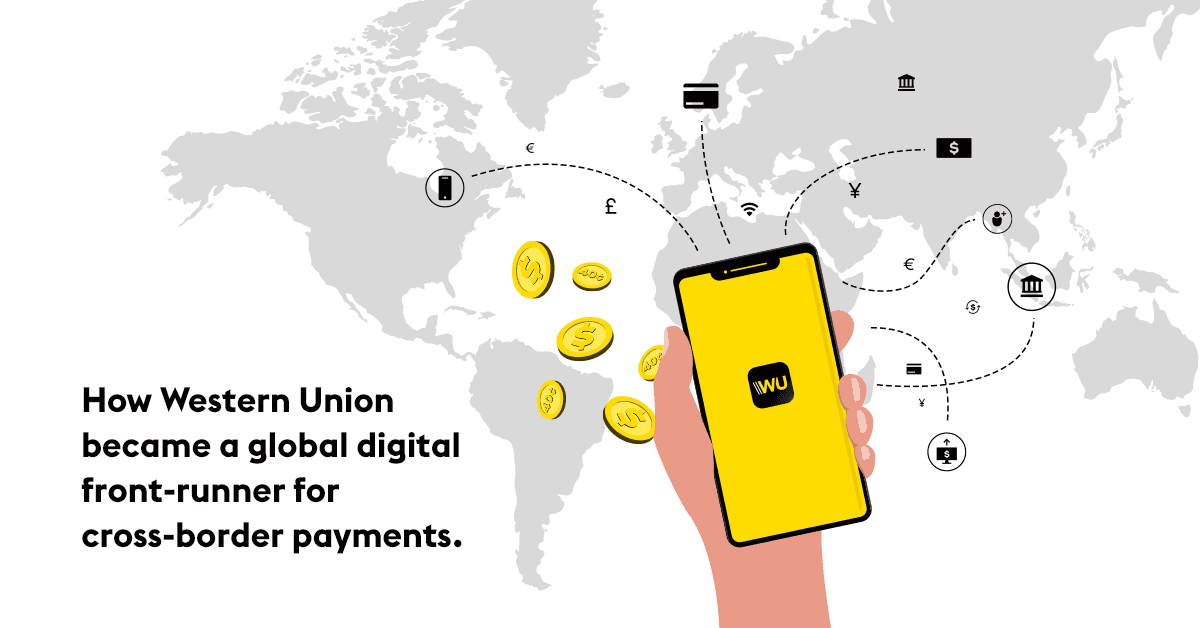
In 2020, Western Union expanded real-time digital payout capabilities into 100 countries, reaching billions of bank accounts. The company's spotlight on Zafar is less a personal profile than a window into how it is changing its payment platform without risking the reliability that money movement depends on. Inside a business that handles cross-border transfers and account payouts, technologists are expected to protect legacy systems, modernize them carefully, and keep service continuity intact while new digital channels come online.
The real story behind the spotlight
Zafar's journey captures the shape of the work Western Union now values. In a large payments company, engineers are not just writing code in isolation. They are translating business needs into systems that can scale, fit regulatory requirements, and still support daily operations across markets.
The phrase bridging legacy systems and cutting-edge solutions points to a skill set that spans older architecture, safer refactoring, integration work, infrastructure choices, and the discipline to modernize without breaking the rails that already move customer money.
Why modernization in payments is never all at once
Payments companies cannot replace core systems in one clean sweep. Doing so would expose them to outages, compliance gaps, and customer disruption, especially when those systems support transfers, settlements, and payouts across countries. Western Union's tech story makes sense only if legacy stability and modernization are treated as parallel obligations rather than competing goals.
Operational resilience shows up as a technical priority, not just a business slogan. A technologist who understands old architecture, works within constraints, and still pushes the stack forward is helping the company preserve uptime and security while changing how the platform is built.
Western Union has already been moving the platform
The spotlight sits inside a broader digital shift that Western Union has been describing for years. At its 2022 investor day, Western Union described its Evolve 2025 strategy as bringing high-value, accessible financial services to aspiring populations, and leadership framed the business around customers' evolving needs, with trust and convenience at the center.
The company has also been steadily expanding digital payment reach. In 2020, Western Union said real-time payments into select bank accounts and wallets were available in 50 countries. In March 2020, Western Union said its digital services and account payout were available in 75 countries, with payout in 200 countries globally during the COVID-19 pandemic.
The product timeline shows the same pattern of incremental change rather than a single platform swap. Western Union announced real-time global inbound transfers via India's Unified Payments Interface in 2019. In 2021, it launched cross-border payments on Google Pay for users in the U.S., India, and Singapore. The company also launched WU Shop in Germany and Austria, said a digital banking services pilot was coming in select countries, and later said it had expanded its digital wallet to Latin America after introducing its digital banking offering in Europe in February 2022.
What skills Western Union is signaling it needs
The company's technology materials point to a specific kind of engineer. A Staff Software Engineer posting in Austin would lead design and delivery of scalable, cloud-native microservices powering Western Union's digital platform. That is a strong clue about how the company wants its core systems to evolve: modular, cloud-based, and built to support a digital platform that still has to connect to older payment infrastructure.
The most valuable skills in that environment are not limited to coding speed. They include architecture judgment, integration experience, comfort with distributed systems, and the ability to ship change without interrupting service. Product engineers, infrastructure teams, and operations staff all need to work together when a payments platform has to grow across markets without losing reliability.
For candidates, that means Western Union is likely to reward people who can operate in ambiguity, understand dependency chains, and balance customer impact against technical debt. The work sits at the intersection of product, compliance, and uptime, so change management becomes part of the engineering brief.
Why the Pune center and global footprint matter
Western Union's Pune Technology Engineering Center, established in 2018, fits that same model. It is a strategic talent center focused on innovation and on helping expand the reach of its omnichannel platform and digital capabilities. Modernization at Western Union is not happening in one market or one team. It is being distributed across locations where talent can support a global platform that has to work in many regulatory and operating environments.
Western Union's technology organization page describes work that enables people worldwide to transfer money seamlessly and expands access to financial services for those underserved by traditional providers. That mission depends on systems that work across borders, devices, payout methods, and payment rails.
This article was produced by Prism’s automated news system from verified source data, official records, and press releases, then run through automated quality and moderation checks before publishing. The system is built and supervised by the people who set the standards it runs under. Read our full AI policy.
Did this article answer your question?