Western Union compliance teams face RBI sanctions screening update in India
RBI's one-entry sanctions update shows India screening has to stay live, not scheduled, for Western Union's compliance teams.
The Reserve Bank of India’s July 9 circular amended sanctions entry QDi.439 for Hamidah Nabaggala, a one-line change that can move Western Union’s India-linked controls in a corridor that depends on speed. The circular ties Section 51A of UAPA, 1967 to an amendment in the United Nations Security Council’s 1267/1989 ISIL and Al-Qaida sanctions list, and it traces the change back to UNSC press release SC/16407 dated July 8, 2026.
What the RBI actually changed
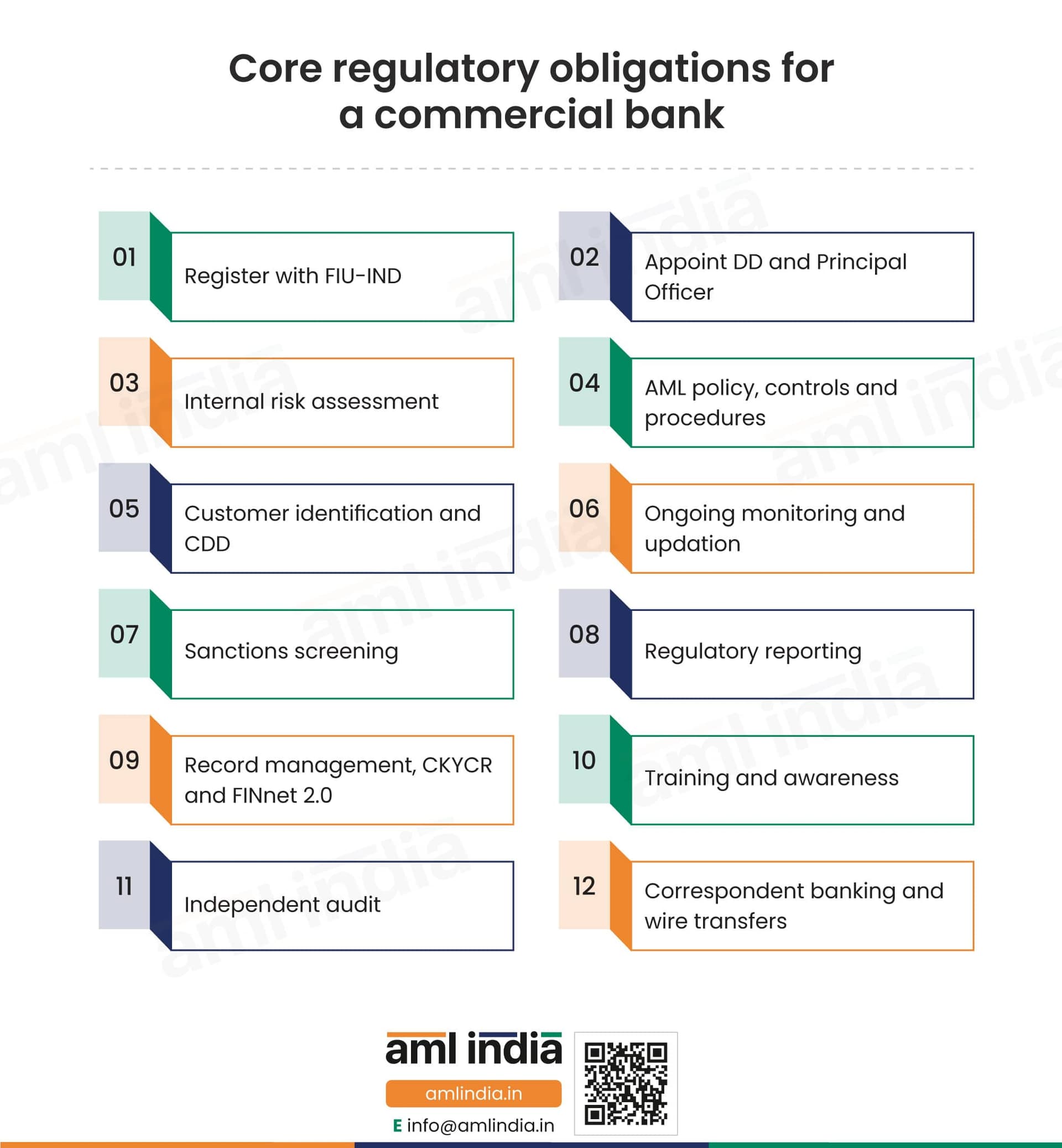
The circular, RBI/2026-27/176, sits inside the Reserve Bank’s AML and regulatory machinery rather than as a standalone alert. It is addressed to commercial banks, small finance banks, payment banks, urban co-operative banks, rural co-operative banks, regional rural banks, local area banks, non-banking financial companies, asset reconstruction companies, and all India financial institutions. The message is straightforward: regulated entities must keep accounts away from names appearing on the UNSC lists that India has approved and periodically circulated under Section 51A.
The UNSC amendment changed the particulars attached to QDi.439, including personal identifiers and document details, with a Uganda passport number, a national identification number, and an address in the Democratic Republic of the Congo all appearing in the updated entry. The listed person is subject to the UNSC assets freeze, travel ban and arms embargo framework. Those changes can alter how screening systems match a name, how analysts triage a hit, and how case managers decide whether an alert is a true match or a stale one.
Why this is not a once-a-year compliance chore
India’s sanctions maintenance is visibly iterative. FIU-India’s public updates page records repeated UAPA Section 51A changes, including a 12-entry amendment on March 12, 2025, a removal on February 21, 2025, a three-entry amendment on December 2, 2024, and an 85-entry amendment on February 7, 2024. RBI also issued a March 11, 2026 circular that amended 22 entries on the UNSC Taliban list.
That cadence also explains why compliance teams need version control that is visible to more than the sanctions desk. If a list update arrives through a regulatory notice, then screening logic, vendor feeds, internal watchlist rules, testing evidence, and escalation guides all need to reflect the same version at the same time. A mismatch between the rule set and the case queue creates avoidable holds, false positives, and manual rework, especially when the underlying entry has changed rather than simply been added or removed.
Why Western Union feels this in India
Western Union’s India business keeps the corridor open in both directions. Customers can send and receive money transfers from India online, in person, and through the app. Funds can go to bank accounts in India, including State Bank of India, HDFC Bank and ICICI Bank, making any India-specific sanctions or watchlist change immediately relevant to transfer screening and payout routing.
In practice, a one-entry amendment like this means watchlist tuning, alias handling, document-field matching, and queue handling all need to line up quickly. If the updated record adds or sharpens passport, ID, or location data, the screening engine may match differently than it did the day before, and manual reviewers need to know whether a hold is a genuine escalation or a recycled alert from an old configuration. For frontline staff, the operational burden is equally real: they need a clear script for explaining why a transfer is paused, what documentation may be needed, and when a case can move again.
What Western Union’s own filings say about the control environment
Under the Bank Secrecy Act, money transfer companies must develop and implement risk-based anti-money-laundering programs, report suspicious activity and, in some cases, collect and maintain consumer information.
Western Union markets cross-border transfers in India as an everyday service. India’s remittance receipts rose from US$55.6 billion in 2010-11 to US$118.7 billion in 2023-24, and RBI’s remittance bulletin puts those flows at around half of India’s merchandise trade deficit over the period.
This article was produced by Prism’s automated news system from verified source data, official records, and press releases, then run through automated quality and moderation checks before publishing. The system is built and supervised by the people who set the standards it runs under. Read our full AI policy.
Did this article answer your question?