Western Union employees can request accommodations in plain English, EEOC says
Western Union workers can ask for a reasonable accommodation in plain English, and the EEOC says employers must engage rather than guess.
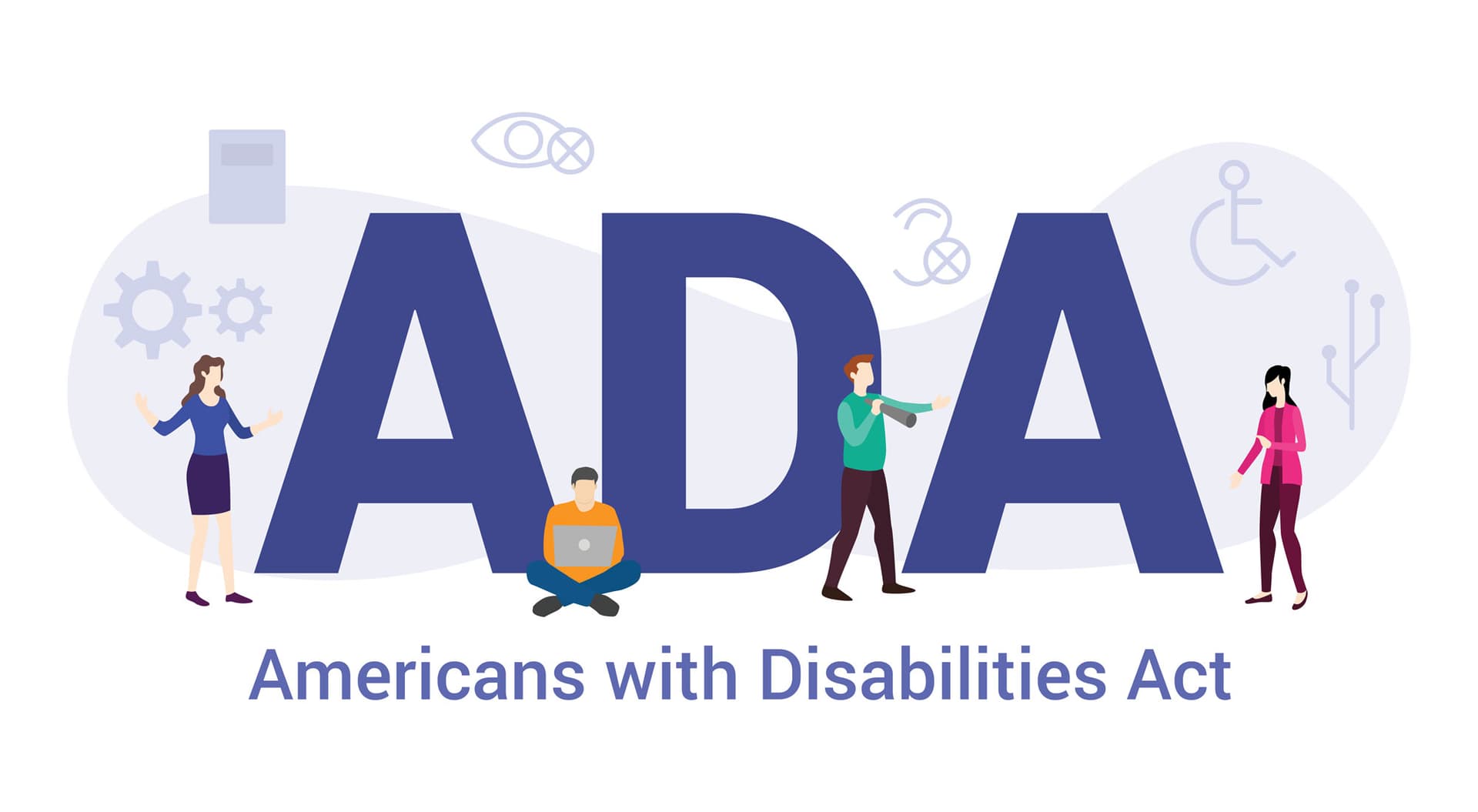
Western Union employees do not need legal jargon to ask for help. The Equal Employment Opportunity Commission says a request for a reasonable accommodation can start in plain English, and the Americans with Disabilities Act requires employers to provide that help to qualified employees and applicants unless it would create an undue hardship.
That matters in a company as large and dispersed as Western Union, where a single workplace issue can look different in a customer-facing branch, an operations center or a technology team. The EEOC says accommodations can include modified schedules, leave, telework, reassignment or changes in workplace policies, and the point is not limited to whether someone can perform an essential function. The law also reaches access to the benefits and privileges of employment, which means a worker does not have to wait until a situation becomes a crisis before speaking up.
For an employee, the first move is to identify the barrier and name the help that would remove it. A worker can describe the job function that is becoming difficult, the accommodation that would help and any basic information HR or a manager may need to evaluate the request. The EEOC’s framework puts the burden on the employer to respond through an interactive process, not to force a worker to draft a perfect legal memo before the conversation begins.

That process can be especially important in roles where the job is shaped by customer volume, shift coverage, call handling, technical deadlines or other operational demands. A manager may need to consider whether the essential function is the same as the full set of daily tasks, and whether a schedule change, telework arrangement, leave period or policy adjustment would let the employee keep working effectively. The agency’s guidance makes clear that the conversation is supposed to be practical and individualized.
For workers who worry that asking will create friction, the EEOC’s guidance offers a clear reset: requests do not need magic words, and employers are expected to consider them seriously. At a global company like Western Union, that clarity can make the difference between silence and a workable accommodation that keeps an employee on the job.
This article was produced by Prism’s automated news system from verified source data, official records, and press releases, then run through automated quality and moderation checks before publishing. The system is built and supervised by the people who set the standards it runs under. Read our full AI policy.
Did this article answer your question?