Western Union explains how its independent agent network works
Western Union’s agent locations are independent businesses, and that shapes customer service, compliance, and what employees can control at the counter.
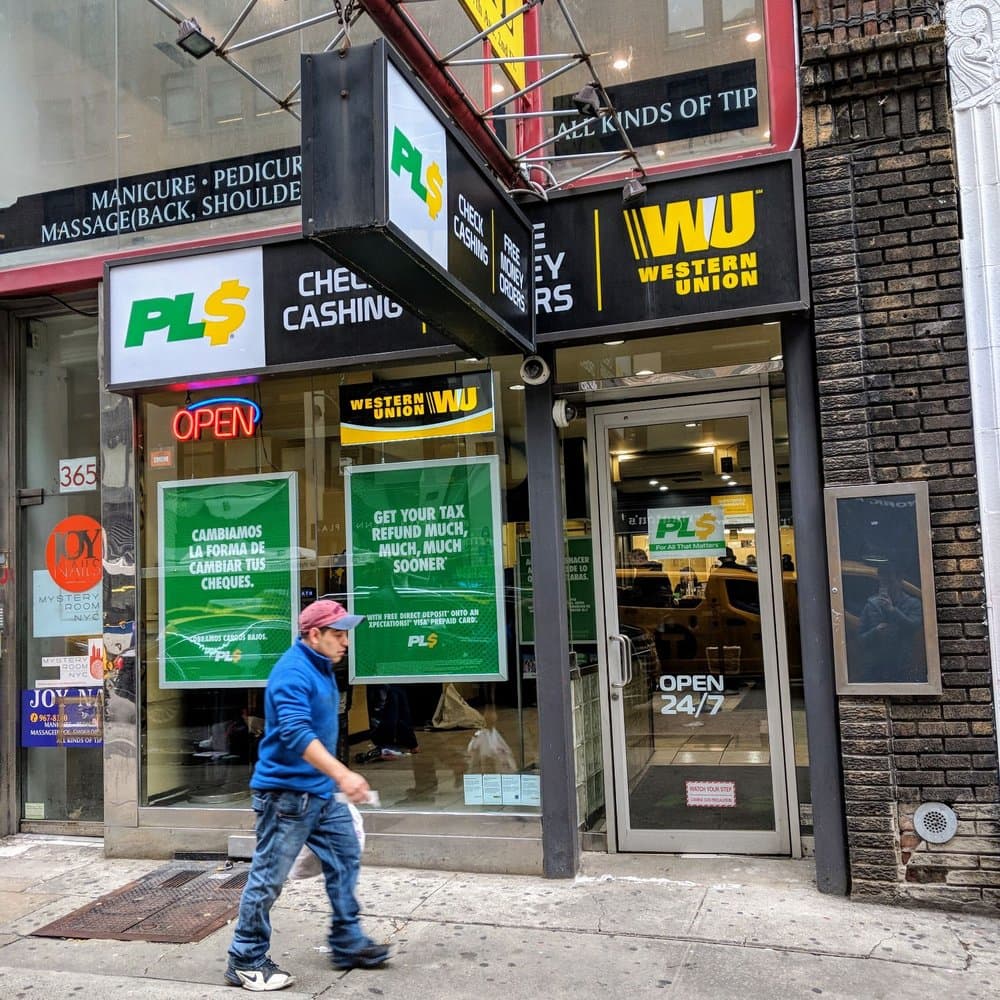
Western Union puts its network at nearly 500,000 agent locations, and those sites are run by independent businesses, not company-owned branches. That distinction defines what employees can promise, what local partners control, and how customers experience service when they walk up to the counter. The agent network sits at the center of Western Union’s model.
What the agent model means inside Western Union
Agent locations are independent businesses that provide money transfer service to their customers on behalf of Western Union. For employees, that means the company’s brand and service standards extend into places it does not directly own or staff. In practice, the counter experience depends on a local partner’s business, local market rules, and the systems Western Union gives that partner to operate.
That separation matters across sales, operations, compliance, support, and training. You can explain the service, set expectations, and resolve Western Union-side issues, but you should not assume the company controls every detail inside a retail location. Staffing, day-to-day store management, and the physical setup of the agent site belong to the independent business, while Western Union sets the service framework and the rules that govern the network.
Why customers use the network
Western Union’s services help people and businesses "save, spend, and transfer money," and its mission is to make financial services accessible to people everywhere. The customer need is usually immediate. People use the service to send or receive money quickly, including supporting friends or relatives abroad, travelers, and business people needing fast international remittances.
That is the real operating context for the agent network. People often arrive at a counter with urgency, not with patience for a long explanation. Employees who understand that urgency can better explain payout options, local availability, and the difference between Western Union services and what an individual agent location can or cannot do.
Scale is why the structure matters
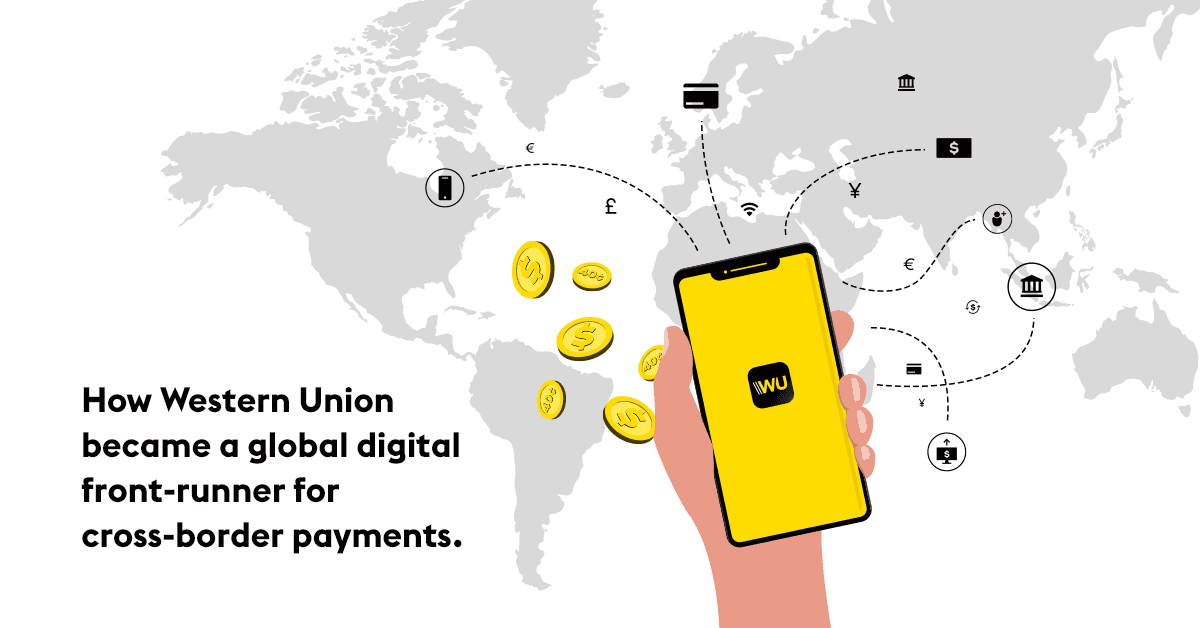
Western Union says it works across more than 200 countries and territories and over 130 currencies. That reach lets Western Union serve customers in urban, rural, and remote areas, including through its Quick Cash solution, which can send cash to individuals at agent locations.
Its model includes agent locations, bank partners, and digital channels, so the company is not relying on one distribution path. The physical network remains especially important for customers who need in-person help, while digital channels extend the same basic promise through other means.
The numbers show how long the network has been the business
In a 2011 release marking 160 years of innovation, Western Union said it had 455,000 agent locations in 200 countries and territories and handled an average of nearly 1.7 million transactions per day in 2010. By October 2022, when Western Union launched its Evolve 2025 strategy, it described itself as 171 years old.
A 2018 Western Union blog post said the system handled 34 cross-border, cross-currency money transfers each second.
What employees should assume, and what they should not
The independent-agent model creates clear boundaries for anyone who works with customers or supports the network. It helps to keep the following distinctions in mind:
- Assume the agent location is a separate business with its own local operations.
- Do not assume Western Union owns, staffs, or directly manages every counter.
- Assume Western Union sets the service rules, brand standards, and compliance expectations for the network.
- Do not assume every location will look, operate, or offer the same local availability.
- Assume customer experience can vary because local partners, market rules, and payout options differ by place.
That framework is especially important when customers run into a problem at the counter. Some issues belong to the local agent location, while others belong to the Western Union service itself.
Why compliance history still shapes the model
The independence of the agent network also has compliance implications. In 2017, Western Union announced agreements to resolve U.S. investigations. It said the settlements related mainly to conduct from 2004 to 2012 and that it had increased compliance funding by 200 percent in the previous five years.
Western Union’s brand depends on how well the company supervises a dispersed network of independent agents, how clearly it trains them, and how consistently it sets expectations across markets. The company’s country FAQs in Colombia, the Dominican Republic, and the Central African Republic say agent locations are independent businesses authorized to provide Western Union services.
This article was produced by Prism’s automated news system from verified source data, official records, and press releases, then run through automated quality and moderation checks before publishing. The system is built and supervised by the people who set the standards it runs under. Read our full AI policy.
Did this article answer your question?