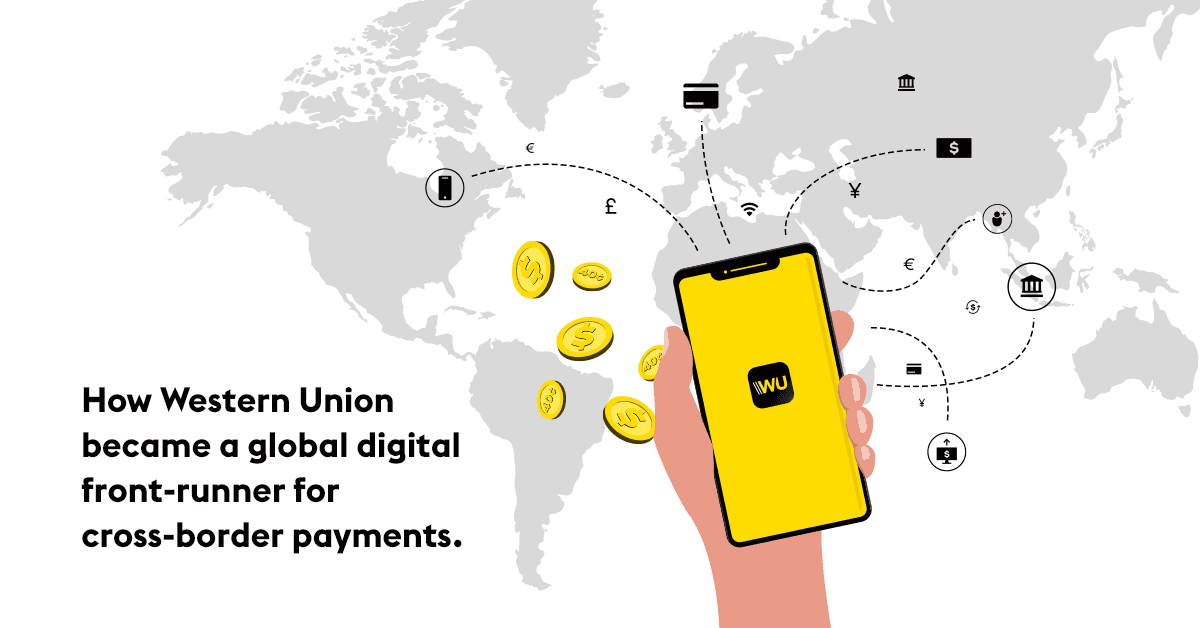
Western Union faces faster payments shift as cross-border growth accelerates
Western Union’s next test is not just moving money faster, but keeping trust intact as stablecoins, new rails and cheaper remittances reshape the job.

Western Union already operates across more than 200 countries and territories and more than 130 currencies, through bank accounts, digital wallets, cards and hundreds of thousands of retail locations. At that scale, speed, visibility and settlement design matter as much as the transfer itself. For teams in product, compliance, operations and customer support, the pressure is no longer just to keep transactions moving across borders, but to make them easier to track, cheaper to explain and harder to break.
A faster market is setting the pace
J.P. Morgan’s 2026 cross-border payments outlook highlights faster payments, technology transformation, digital assets, a modernization mindset and new FX opportunities through better corridors and better user experience. The old model of cross-border payments as a back-office utility is giving way to a product race built around real-time movement, interoperability and resilience.
The G20 Roadmap for Enhancing Cross-border Payments launched in 2020 with a simple mandate: make payments faster, cheaper, more transparent and more inclusive without weakening safety and security. Most of the global targets were set for end-2027, and by 2025 the Financial Stability Board considered much of the policy-development work largely complete. In May 2026, the Bank for International Settlements said full delivery by 2027 now looks unlikely, even as fast payment systems, interoperability by design, ISO 20022 harmonization, API frameworks and extended operating hours continue to improve retail cross-border flows step by step.
For Western Union employees, that means the new baseline is not just speed. It is the ability to move between rails without confusing the customer, failing compliance checks or losing sight of cost. Product teams will need cleaner status updates and more predictable timing. Operations teams will need better exception handling. Customer support will need language that can explain why a payment moved the way it did, not just whether it moved.
Growth is still there, but it is changing shape
Western Union’s first-quarter 2026 results show the shape of the shift. The company reported $983 million in GAAP revenue, flat year over year, while adjusted revenue declined 1%. Branded Digital revenue grew 9% on a GAAP basis and 6% on an adjusted basis, and transaction growth in that channel rose 21% from the prior-year period.
That shift raises day-to-day questions for employees who work on the edges of the customer journey. If the transfer starts on a phone and clears through a web of partners, digital wallets and bank rails, then the company has to make the handoffs invisible. The more customers use digital channels, the less patience they have for missing timestamps, vague fee disclosures or inconsistent delivery estimates. In practice, that means support scripts, product design and operational controls need to line up around the same promise.
The broader remittance market keeps the pressure on. The World Bank estimated that remittance flows to low- and middle-income countries would reach $685 billion in 2024, while global remittance flows were about $905 billion that year. The World Bank’s remittance cost data put the global average cost of sending money at 6.36% in the August 2025 update across 367 corridors.
USDPT turns digital assets into an operating issue
Western Union announced USDPT on May 4, 2026. The company said the U.S. dollar-denominated stablecoin will be issued by Anchorage Digital Bank N.A. and built on Solana. Western Union described USDPT as an always-on settlement asset and said it is also developing a Digital Asset Network, Global Exchange Support and a consumer-facing spend capability called Stable by Western Union, set to launch in 2026 in more than 40 countries.
That move changes the internal conversation from abstract innovation to systems work. Devin McGranahan, Western Union’s chief executive, framed the project as a way to create a more efficient settlement layer while preserving trust and scale. Nathan McCauley of Anchorage Digital Bank N.A. and Lily Liu of the Solana Foundation both cast the effort as a combination of regulatory rigor and high-throughput, low-latency settlement.
Stablecoins do not remove the need for controls. They intensify it. Teams will need sharper rules around liquidity, reconciliation, wallet-to-fiat conversion, sanctions screening and incident response.
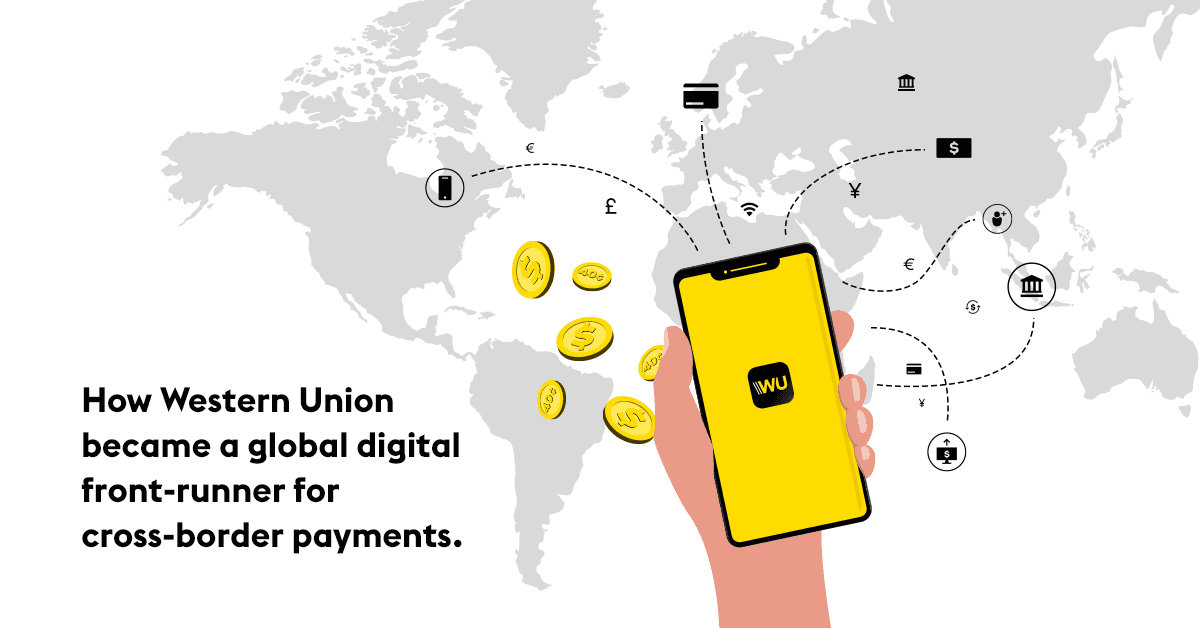
What product, compliance and support have to build next
The fastest-changing work at Western Union is likely to land in four places first.
- Product and engineering will have to deliver better visibility. Customers will expect to see where a payment is, how long it will take and what it will cost before they commit.
- Compliance will have to keep pace with more rails, more partners and more asset types. The harder the network works to move quickly, the more important it becomes to prove that speed has not outrun controls.
- Operations and treasury will need tighter liquidity management as FX corridors shift and settlement options widen. A more connected network can lower friction, but it also increases the need to balance funds across markets and time zones.
- Customer support will need to handle a more complex set of questions. Transfers may still start in a branch, on an app or through an agent, but customers will increasingly care about whether the transfer is instant, whether it can be reversed, and why one route costs more than another.
This article was produced by Prism’s automated news system from verified source data, official records, and press releases, then run through automated quality and moderation checks before publishing. The system is built and supervised by the people who set the standards it runs under. Read our full AI policy.
Did this article answer your question?