Western Union highlights inclusion as core to global growth
Western Union ties inclusion to its business model, pairing global scale with a promise of access, growth and wage gains that workers can judge against daily reality.
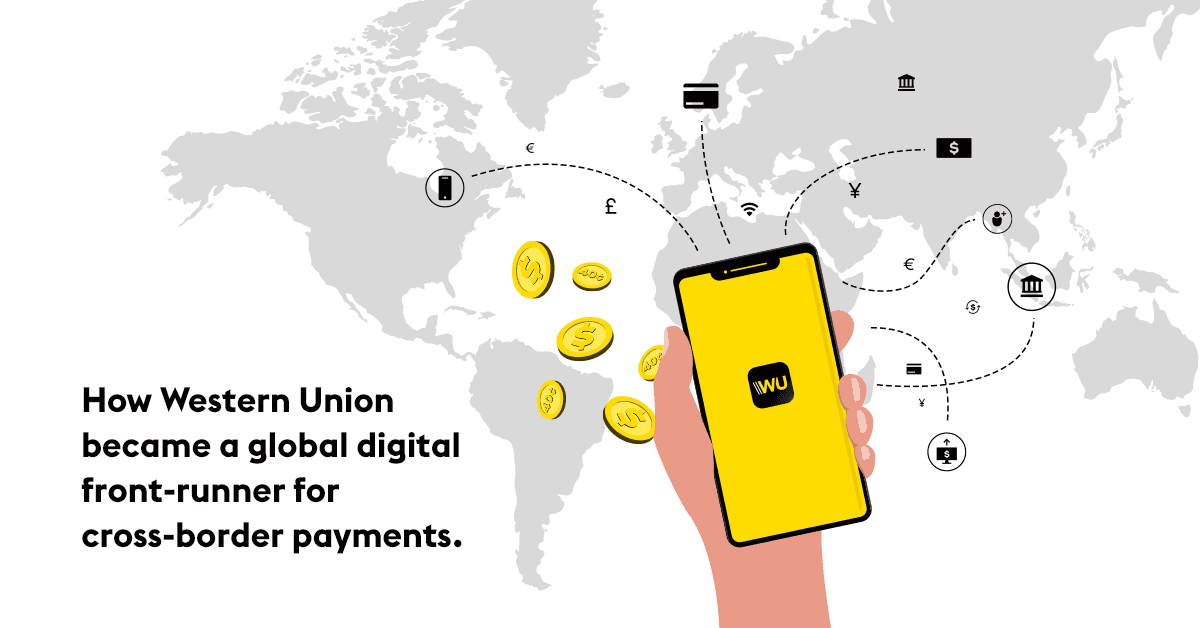
Western Union is selling more than a jobs pitch. Its careers and investor materials frame inclusion, access and purpose as part of how the company serves 150 million customers across 200 countries and territories in 130 currencies. For employees, that means the culture story is not separated from the operating model, it is built into it.
Inclusion is written as a business requirement, not a side program
Western Union Careers says employees want work that improves the quality of life for others, and the company says it takes pride in creating a more inclusive economy. That language matters because it tells prospective hires that belonging is not being treated as a slogan for internal branding. It is being presented as part of the company’s day-to-day reason for existing.
The company also says it wants to become the world’s most accessible financial services company. That goal gives the inclusion message a practical edge: accessibility is not just about representation in the workforce, it is about whether products, channels and service models actually work for people who move money across borders, often in uneven financial circumstances. In a company like Western Union, that framing touches customer experience, compliance, product design and operations, which means inclusion can affect how work gets done, not just how culture is described.
Scale gives the purpose language its weight
Western Union’s investor relations materials add the numbers behind the mission. The company says it serves consumers, businesses, financial institutions and governments across more than 200 countries and territories and over 130 currencies. It also says its network connects billions of bank accounts, millions of digital wallets and cards, and hundreds of thousands of retail locations.
That scale explains why the company keeps returning to access and prosperity in its public messaging. A workforce serving such a wide mix of customers needs common standards for trust, service and consistency. For employees, the practical implication is that global reach can create a strong sense of mission, but it also raises the bar on communication, local responsiveness and policy discipline. If a company says it is built to serve people everywhere, workers are likely to judge whether the systems around them actually support that claim.
Western Union says its purpose is to help people prosper, and its investor materials say it is committed to helping people around the world build financial futures for themselves, their loved ones and their communities. That is a broad promise, but it is also the kind of statement employees can measure against internal reality. If people feel the company’s service design, advancement paths and flexibility do not match that promise, the gap will be visible quickly inside the organization.
What this means for hiring and retention
Western Union’s message is likely to appeal to people who want their work to feel socially useful without leaving financial services. The company’s language repeatedly links the mission to access, affordability and trust, which can be a strong draw for employees who want more than a standard payments role. It also signals to candidates that work in customer experience, product, compliance and operations is not just back-office support, but part of a broader effort to connect people and communities.
That matters for retention too. Employees often stay when a company can explain why a process, policy or workflow matters beyond the immediate task. Western Union is clearly trying to do that by tying purpose to service for a globally dispersed customer base. The risk, of course, is that workers will compare the promise to the everyday experience of moving through approvals, systems and compliance checks. The stronger the rhetoric about inclusion and prosperity, the more visible any disconnect becomes.
The company’s own wording suggests that employee belonging and business performance are supposed to reinforce each other. If the work environment is inclusive, the logic goes, the company can better serve diverse customers and keep pace with a fast-moving digital payments market. That is a compelling framework for recruiting, but it also creates an expectation that managers will back up the language with concrete practices around career mobility, internal listening and service design.
The Western Union Foundation gives the purpose story a concrete test
The clearest proof point in the company’s messaging comes through the Western Union Foundation. In September 2023, the foundation launched Prosperity Beyond Borders, a multi-year commitment aimed at driving $500 million in aggregate wage gains by the end of 2025. The foundation said the effort would focus on workforce readiness, jobs creation and equitable access, with support aimed at people from underserved communities, including migrants.
That is more than a philanthropic slogan. It links Western Union’s public purpose to labor-market outcomes, which is the kind of detail employees tend to notice. If the company says it exists to help people prosper, then the foundation’s wage-gain target becomes a measurable extension of that claim. It also gives workers inside the company a more tangible way to think about the brand: not just as a money-movement company, but as a business trying to connect financial services with economic mobility.
The foundation’s focus on workforce readiness and equitable access also echoes the company’s broader inclusion narrative. Workers can read that as a sign that Western Union wants its social-impact story to be rooted in employment pathways and economic access, not just charitable giving. That can strengthen pride in the company when the messaging feels consistent, but it also raises the standard for internal credibility.
Evolve 2025 ties culture to customer experience and growth
Western Union’s ESG materials say its Evolve 2025 strategy centers on customer experience and is supported by a diverse employee base and an inclusive work environment with connections and growth opportunities. That is an important line for anyone trying to understand the company’s internal culture, because it ties employee experience directly to strategy rather than treating it as a separate HR issue.
The wording also suggests where workers may feel the strategy most directly. Customer-facing teams, operations staff and product groups are all likely to feel pressure to translate diversity and inclusion into speed, clarity and service quality. The mention of growth opportunities matters too, because retention depends on whether employees can see a path forward inside the organization, not just hear promises about mission.
Taken together, Western Union’s public materials present a coherent message: inclusion, accessibility and prosperity are supposed to be the engine of the company’s global reach. The test for employees is whether that message shows up in hiring decisions, internal advancement, flexibility and the daily experience of serving a customer base spread across more than 200 countries and territories. When a company ties its culture so closely to its business model, workers do not just hear the values statement, they live the consequences of it.
This article was produced by Prism’s automated news system from verified source data, official records, and press releases, then run through automated quality and moderation checks before publishing. The system is built and supervised by the people who set the standards it runs under. Read our full AI policy.
Did this article answer your question?