Charleston Museum bridal collection traces two centuries of Lowcountry style
More than 80 Charleston wedding gowns show how Lowcountry brides dressed for climate, class, and ceremony, with accessories and fabrics turning style into regional history.
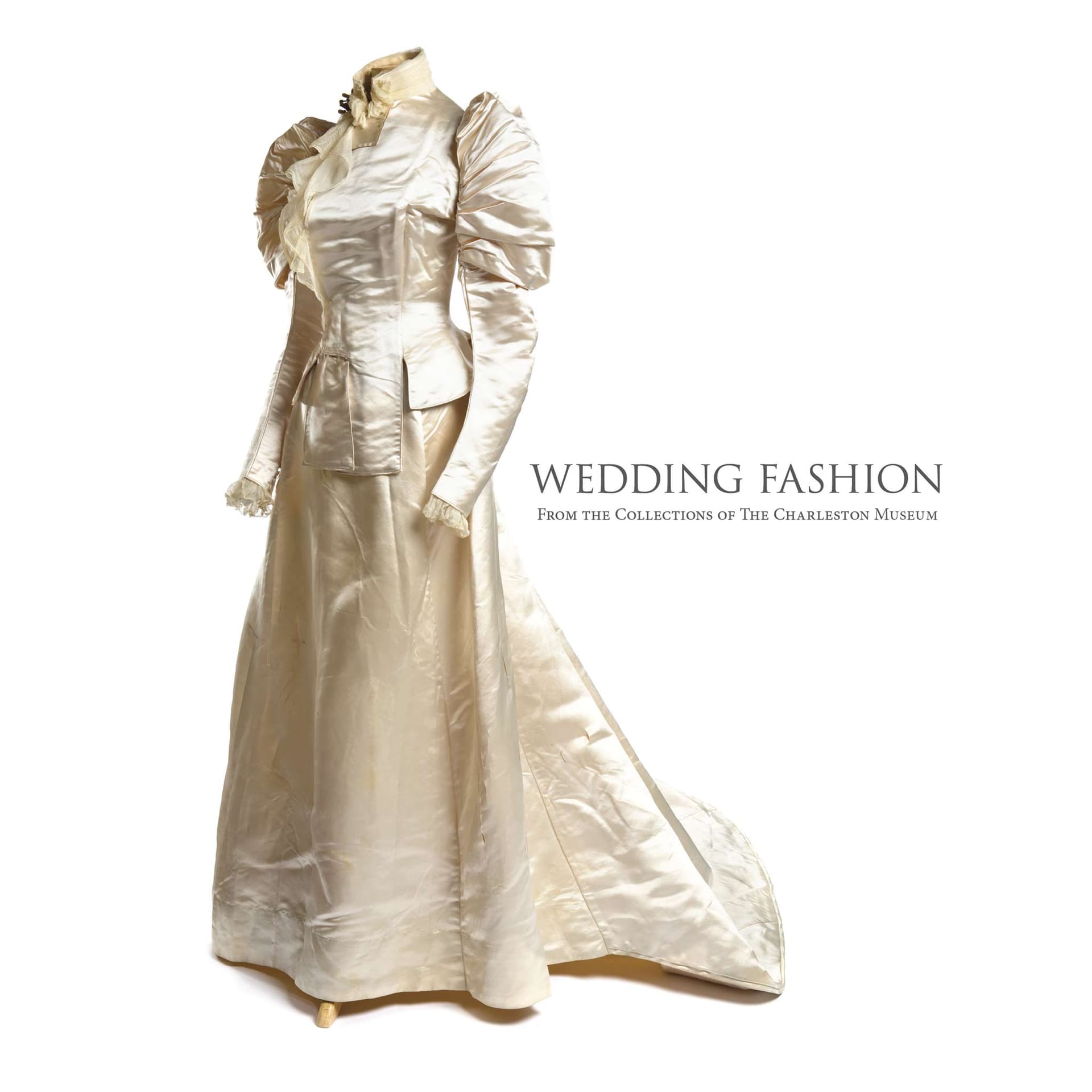
Dating from the 1820s onward, more than 80 wedding gowns in The Charleston Museum’s Historic Textiles Collection pair wedding attire and accessories tied directly to South Carolina and the Lowcountry. The archive turns the bridal wardrobe into a regional code book of fabric, silhouette, and social meaning.
Why Charleston reads differently
The collection is defined by its geography. These textiles trace Lowcountry material culture and its global influences. The gowns reveal how climate, family status, imported luxury goods, and changing social customs shaped what a bride could wear and how she could wear it.
A Charleston gown is a clue to the cut of a sleeve, the weight of a fabric, the length of a veil, the trim on a bodice, the gloves carried or worn, and the petticoats and shoes that completed the look. The archive covers the full bridal silhouette, not just the dress itself.
The bridal wardrobe, fully assembled
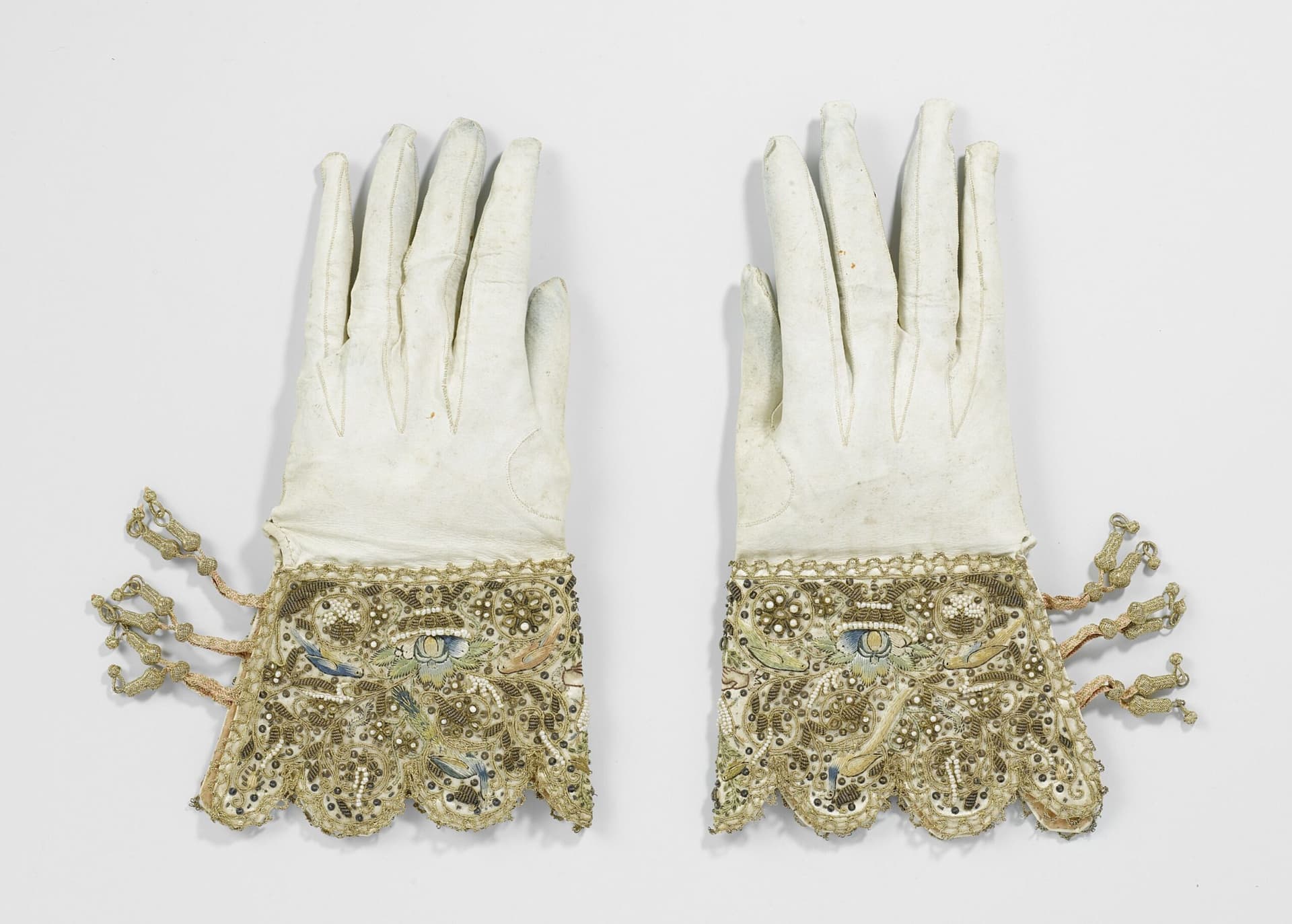
The wedding holdings include accessories alongside gowns. A gown in isolation can look like costume; a gown with its finishing elements shows how bridal fashion actually functioned, from a train or hemline to the small decisions that sharpened the effect at the altar.
Today’s bridal market is saturated with spectacle, but Charleston’s collection argues for precision: a veil edged in heirloom lace, gloves that stiffen a look without making it feel old-fashioned, a sleeve shape that brings modesty and drama into the same frame, or a more restrained shoe choice when the dress carries the visual weight.
The timeline also shows how bridal style shifts as social codes shift. An early nineteenth-century gown does not speak the same language as a late-Victorian silhouette or a twentieth-century shape, yet the archive places them in conversation. The comparison helps contemporary brides understand which heritage details still feel fresh: lace used sparingly, sleeves with a little structure, and accessories chosen to suit the ceremony rather than overwhelm it.
A costume collection that reaches beyond the aisle
The bridal archive also becomes sharper when set against the museum’s broader Costume Collection, which stretches from the 18th century to the present day. These are garments worn by people from all walks of life, from christening gowns to military uniforms to haute couture ensembles, and the range gives clothing in Charleston a much wider social frame. Bridal dress sits inside a living wardrobe history, not above it.
That broader collection shows how ceremony, status, and display move across different kinds of dress. A christening gown, a formal uniform, and a couture ensemble all depend on the same basic language of presentation: cut, fabric, ornament, and the occasion that gives them meaning. Seen that way, a wedding gown in Charleston is part of a region’s larger visual grammar.
The garments let visitors, students, and researchers connect with Lowcountry history through clothing.
What the textiles reveal about Lowcountry taste
The Charleston Museum’s Textile Collection runs from 18th-century printed cotton chintz to 20th-century woven silk damasks. That range gives the wedding gowns context. Chintz, damask, and the other fragmentary and complete textile objects in the collection show the material spectrum brides were drawing from, whether they favored softness, sheen, structure, or decoration.
Lowcountry style was never sealed off from the wider world, and bridal fashion absorbed that circulation through imported goods, pattern ideas, and finishing techniques.
How the museum turned the archive into an exhibition
The collection’s public-facing history includes *Unveiled: Wedding Fashion and Traditions in the South*, presented from January 22 to July 10, 2016. The exhibition showed how wedding dress styles changed through time. Wedding traditions were central to the exhibition, with gowns and garters helping tell the story.
A garter, a veil, a train, a sleeve, and a family heirloom piece all work together to signal ceremony.
What modern brides can borrow from Lowcountry bridal style
- Choose one heritage detail and let it lead, such as heirloom lace at the neckline or cuffs rather than covering the entire gown.
- Favor sleeve shapes that do real visual work. A slightly fuller sleeve or a fitted bracelet sleeve can change the whole attitude of a dress.
- Treat accessories as part of the look, not an afterthought. Veils, gloves, shoes, and petticoats can set the tone of the ceremony.
- Match the dress to the setting. Place matters, especially when climate and formality shape how a gown wears.
- Think in terms of ceremony-specific styling. A church wedding, a garden reception, or a formal evening event each calls for a different balance of coverage, texture, and shine.
This article was produced by Prism’s automated news system from verified source data, official records, and press releases, then run through automated quality and moderation checks before publishing. The system is built and supervised by the people who set the standards it runs under. Read our full AI policy.
Did this article answer your question?