ELLE Canada spotlights 2026 bridal trends, Canadian designers, and wedding style picks
ELLE Canada’s wedding edit tracks a more personal bridal mood, with runway ideas, Canadian labels, and guestwear cues that actually change how you shop.
Canadian romance, sharpened
Ou Ma’s point of view is the clearest signal in ELLE Canada’s wedding coverage: bridal style is moving toward pieces that feel intentional, expressive, and personal, not simply traditional. Her Vancouver-based OUMA Couture line is made in Canada with carefully sourced fabrications, a zero-waste approach, and handmade embroidery and appliqués, which gives the brand a distinctly modern edge inside a category that too often defaults to froth alone.
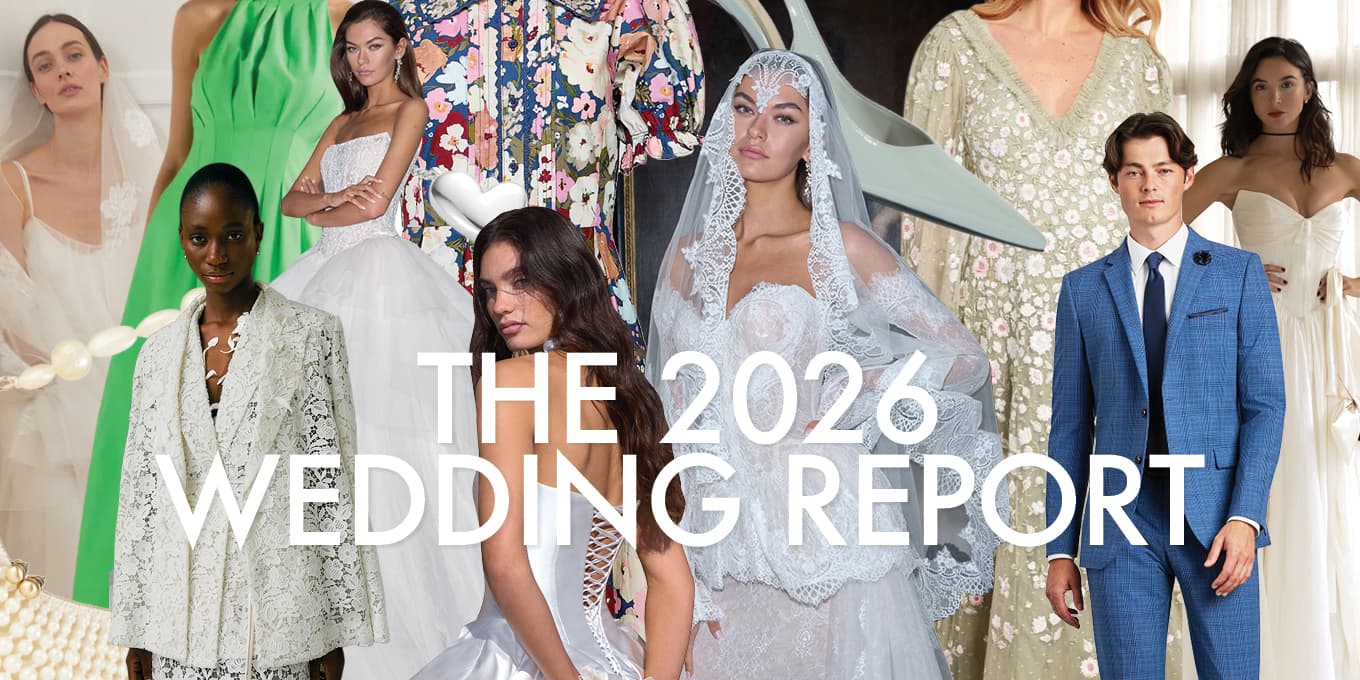
That is also what makes ELLE Canada’s April 8 wedding report useful. The magazine packages runway-inspired bridal trends, fragrance picks, engagement ring ideas, and Canadian designers into one “ultimate wedding edit,” so the story works less like a trend dump and more like a planning tool for anyone building a wedding wardrobe with real intention.
The bridal mood this year: less rulebook, more point of view
The strongest 2026 shift is philosophical before it is visual. In ELLE Canada’s trend reporting, brides are described as being less interested in tradition for tradition’s sake and more drawn to pieces that feel deliberate and personal, a mood that gives permission for cleaner lines, sharper styling, and more room for individuality. That same report pulled in designers including Halfpenny London, Savannah Miller, Galia Lahav, and Ou Ma, which tells you the conversation is happening across the spectrum, from pared-back to highly worked.
New York Bridal Fashion Week is still the engine underneath all of this. CFDA’s April 2026 schedule runs April 7 to 10, with Monique Lhuillier, Naeem Khan, and Tanner Fletcher Weddings anchoring the week, while Batsheva makes its bridal debut. For readers, that matters because the silhouettes and details that appear in those four days tend to ripple outward into what feels current in salons and boutiques the rest of the year.
The 2026 trends worth actually trying on
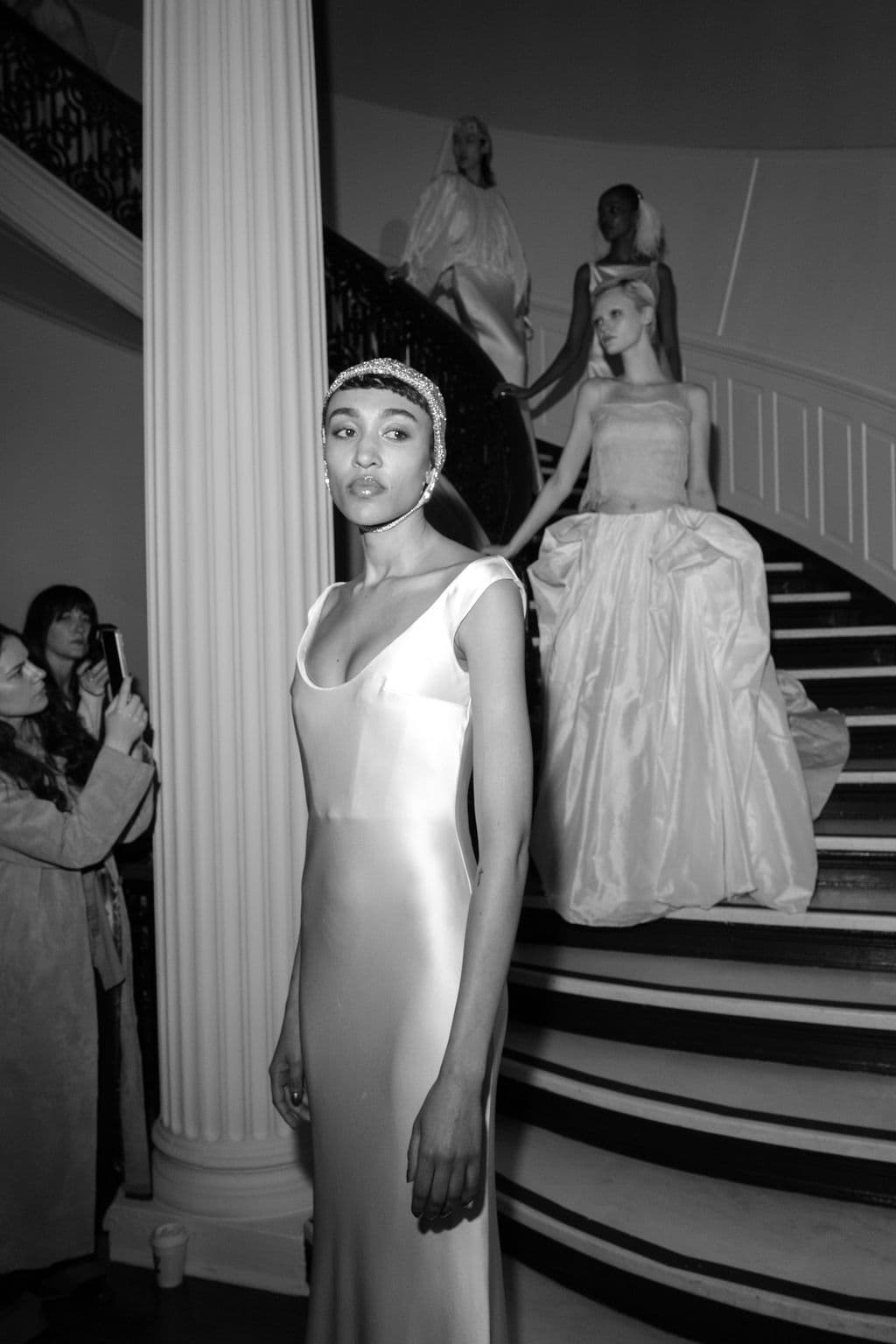
The most wearable trend in ELLE Canada’s February bridal roundup is the slip silhouette. Ou Ma called it a minimalist shape with a refined, intimate feeling, and that is exactly why it works in real life: it lets the fabric do the talking, whether you are planning a city ceremony, a rehearsal dinner look, or a second dress that does not fight the body.
Tailored lace is the opposite of the floaty, over-romantic lace dress that has become synonymous with bridal. Here, the appeal is the architecture, clean seams, strong shoulders, and a defined waist, which turn lace into something crisp and confident rather than decorative. If you have ever loved lace but worried it might read too sweet, this is the version that solves the problem.
Texture is the other story to watch. Ou Ma singled out layered textiles, three-dimensional lace, and mixed-fabric construction, and that is the detail that will matter most on a crowded room or a phone screen. Texture gives a gown dimension without needing heavy embellishment, which means it can look rich in person and still photograph with clarity.
- Slip silhouettes for civil ceremonies, reception changes, or brides who want movement without fuss.
- Tailored lace for brides who want romance with structure.
- Textured fabrics and 3D lace for depth that does not depend on crystals.
- Soft, boho-leaning layers if you want ease, but still want couture-level finish.
A quick cheat sheet on what is translating best from runway to real wedding life:
What to buy early, and what can wait
If you are shopping ahead of the season, the smartest early commitment is the silhouette, not the decoration. A slip dress, a tailored lace gown, or a textured veil can anchor the rest of your styling, while accessories, fragrance, and even engagement ring choices can be layered in later once the main look is set. That sequencing mirrors the way ELLE Canada frames its wedding edit, as a broader style system rather than a single dress moment.
The pieces most likely to hold up beyond the aisle are the ones with flexibility built in. OUMA’s own atelier says it works with dresses, separates, veils, and accessories, which is a useful reminder that bridal shopping no longer has to end at the gown rack. If you want your wedding wardrobe to feel less one-note, think in parts, then choose the piece that can be restyled for rehearsal dinner, reception, or even future formal events.
Guestwear is quietly driving bridal taste
ELLE Canada’s separate spring and summer wedding guest guides show how much this whole market has expanded beyond the bride. The magazine now treats dress codes, mood boards, and accessory choices as part of the wedding experience itself, with advice that ranges from white tie and black tie to cocktail dressing, plus a strong emphasis on statement earrings, sleek shoes, evening bags, and polished fragrance. That guestwear language is feeding back into bridal shopping, because it normalizes the idea that one wedding season can call for several distinct looks.
The guestwear story also gives you the clearest signal for what feels modern right now: formality is still alive, but it has become more visual and more stylized. White tie asks for floor-length gowns and dramatic polish, while black tie is loosening at the hem but still demands intention, which is why accessories and fabric finish matter so much. In practice, that same logic applies to bridal, where a gown can be simple only if the cut, texture, or styling does the heavy lifting.
The Canadian designers to keep on your radar
ELLE Canada has spent years framing Canadian bridal labels as fresh, glamorous, and practical, and that context gives OUMA Couture extra weight in the 2026 conversation. Ou Ma is not being positioned as a niche local option so much as a designer whose work sits comfortably alongside the international names shaping NYFW Bridal, which is exactly why she belongs in the same conversation as Monique Lhuillier and Naeem Khan.
That is the real takeaway from this season’s wedding coverage. Bridal is no longer asking brides to choose between tradition and style, or between artistry and wearability. The strongest 2026 ideas do all three, and the best shopping decisions start with a look that feels like your own point of view, then build outward from there.
This article was produced by Prism’s automated news system from verified source data, official records, and press releases, then run through automated quality and moderation checks before publishing. The system is built and supervised by the people who set the standards it runs under. Read our full AI policy.
Did this article answer your question?