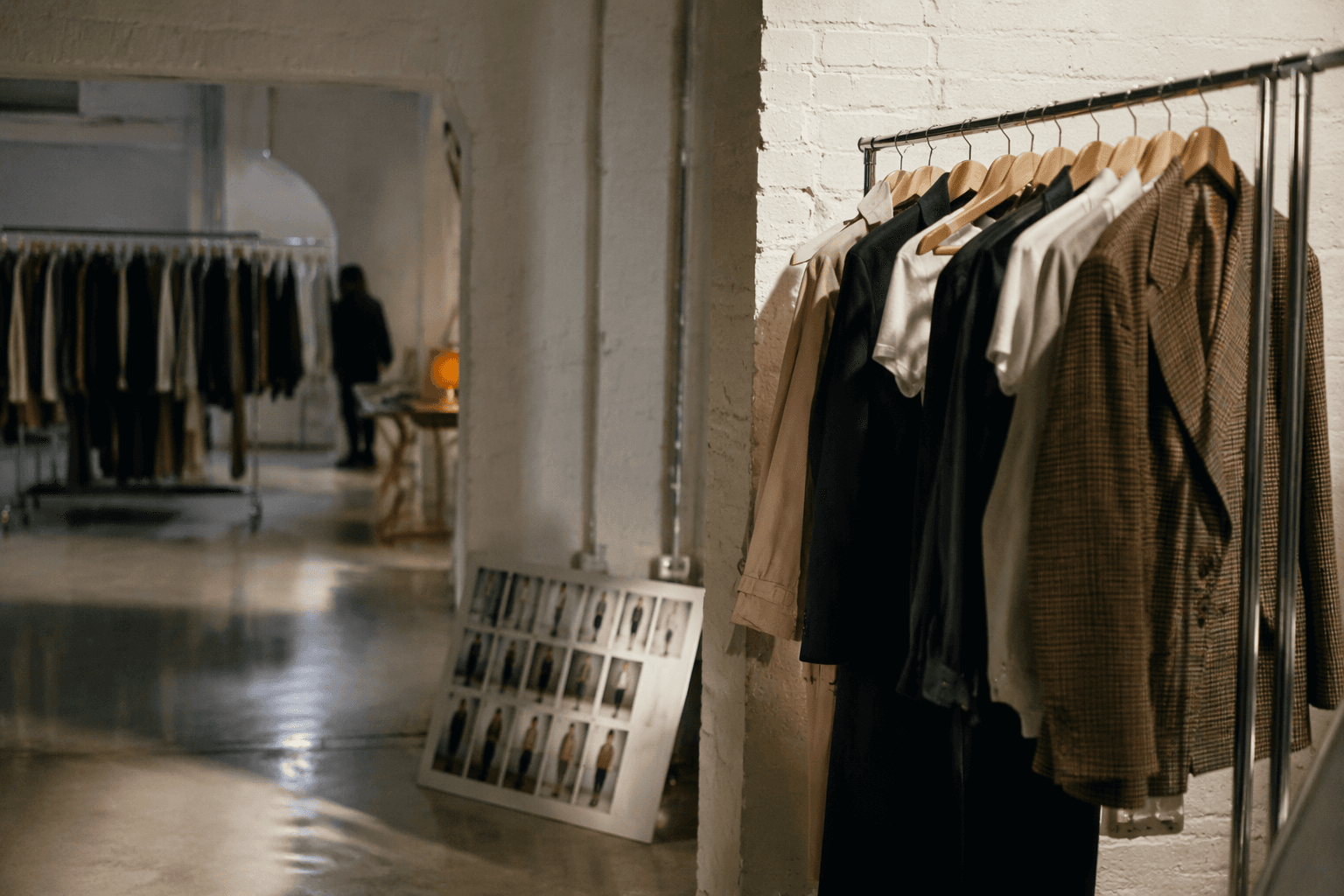
Men's designer bags become menswear's next breakout category
Men’s bags have moved from style outlier to core menswear business, powered by Elordi, Louis Vuitton, and a market chasing new luxury revenue.
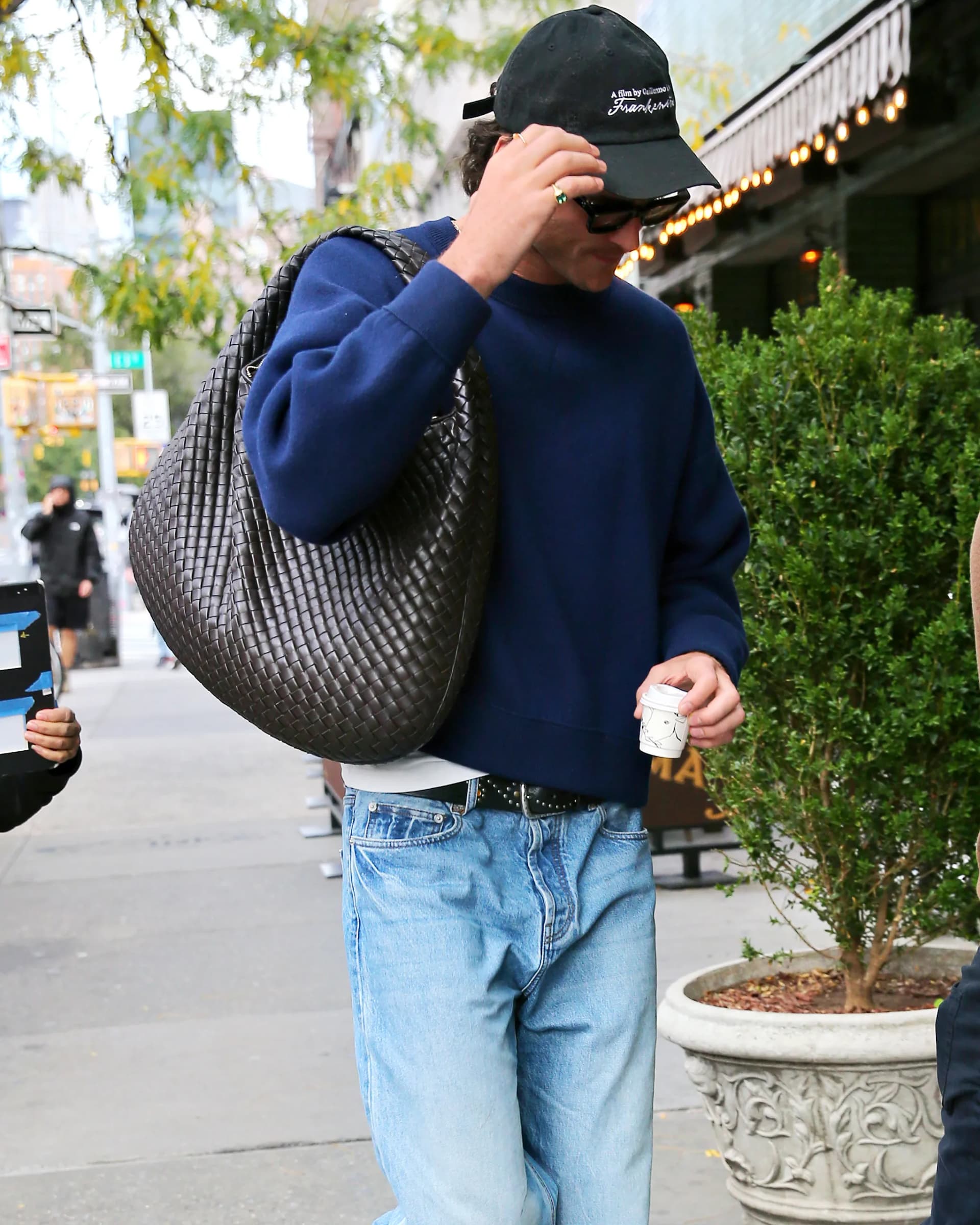
Jacob Elordi’s Bottega Veneta rotation and Louis Vuitton’s SS27 bags have turned the men’s bag into a wardrobe staple. Softer dress codes, luxury’s appetite for new menswear accessories revenue, and the easy acceptance of crossbody and tote styling have pushed the category into the center of the conversation.
The category has crossed the line
Men’s bags are outpacing every other category this season. FashionUnited’s menswear SS27 analysis found handbags in 15 percent of all looks across the season, a level of visibility that puts the accessory on the same runway as tailoring, outerwear, and shoes rather than somewhere in the margins.
The commercial language around the category has sharpened just as quickly. FashionUnited’s social post called menswear handbags luxury’s next growth category, while its LinkedIn post went further, saying the handbag has “officially cemented itself as menswear’s next major commercial anchor.” The phrasing reflects a real merchandising shift: bags are no longer being treated as a side note to men’s fashion, but as a serious business line with room to grow.
Jacob Elordi made the silhouette feel inevitable
No single figure has made the case more visibly than Jacob Elordi. He has been photographed carrying Bottega Veneta bags since around 2022, and in 2024 the house made him a brand ambassador, turning a steady off-duty habit into a formal relationship. His rotation has included the Andiamo, Cassette, Veneta, Cabat and a red suede Andi, which is exactly the kind of range that helps men see bags as a category rather than a one-off purchase.
Elordi’s appeal is not that he makes the bag look precious. It is that he makes it look routine, as though a sleek leather carryall belongs beside a white tee, a coat, and a pair of worn-in trousers. He told GQ’s Gabriella Paiella that he “never bought a bag” before being associated with the brand, a line that captures how quickly this market can convert a reluctant wearer into a visible one.
Men’s designer bags are no longer orbiting around the idea of fashion-week provocation. They are showing up in airport photos, front-row moments, and everyday wardrobes.
Runway and street style are now reinforcing each other
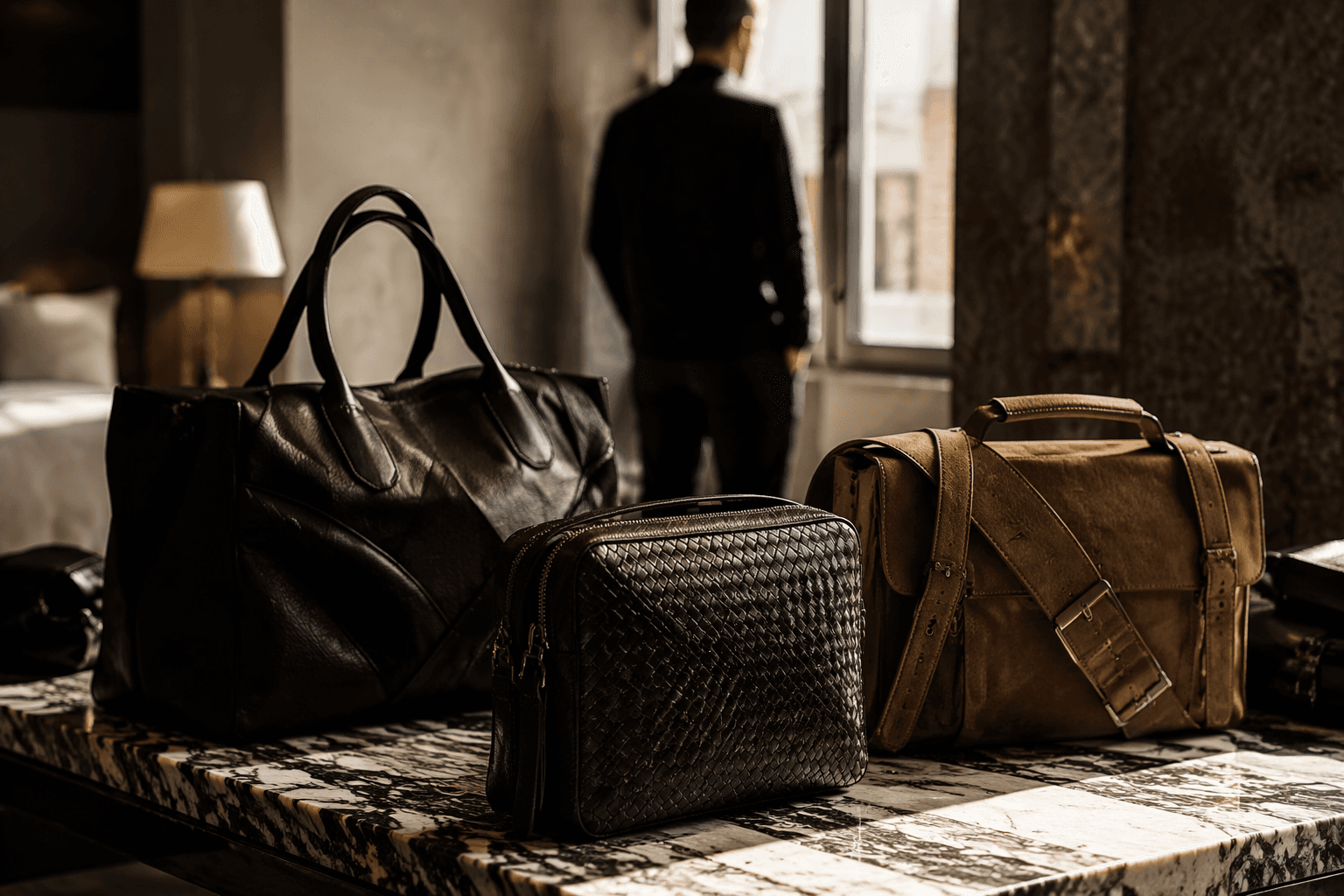
Louis Vuitton’s SS27 menswear collection included handbags, and that placement matters because Vuitton has one of the clearest commercial languages in luxury men’s accessories. When a house that size gives bags runway real estate, it is building a product category, not treating them as a novelty prop.
Off the runway, the World Cup offered another kind of proof. In the Data Fashion Brief, the DR Congo squad arrived in matching leopard-print suits with custom bags, a look that was equal parts team identity and fashion statement. Erling Haaland treated the tournament like a rolling exhibition of his style.
Crossbody bags are no longer coded as fringe, and tote shapes have moved from the office carry to the off-duty wardrobe.
The money is moving, too
The U.S. luxury handbag market was US$11.48 billion in 2024 and is projected to grow at a 4.7 percent compound annual growth rate from 2025 to 2030. Men now account for 20 percent of all luxury handbag purchases, a share that is large enough to matter in any category where growth has become the central obsession.
The luxury handbag market is pivoting toward more affordable price points, which suggests a widening funnel. At the top end, houses like Bottega Veneta and Louis Vuitton give the category its fashion credibility and aspiration value. Below that, more accessible pricing helps turn curiosity into actual purchase behavior, especially for men who may be buying their first designer bag and do not want to enter at the most rarefied end of the market.
The bag is moving from statement object to repeat purchase, with enough range in silhouette and price to support both the collector and the first-time buyer.
What is driving the change now
The strongest men’s bag story today is not about one shape or one celebrity.
- Luxury needs fresh men’s accessories revenue, and bags deliver more visibility than small leather goods.
- Softer dress codes make a carryall feel natural with tailoring, denim, or sportier separates.
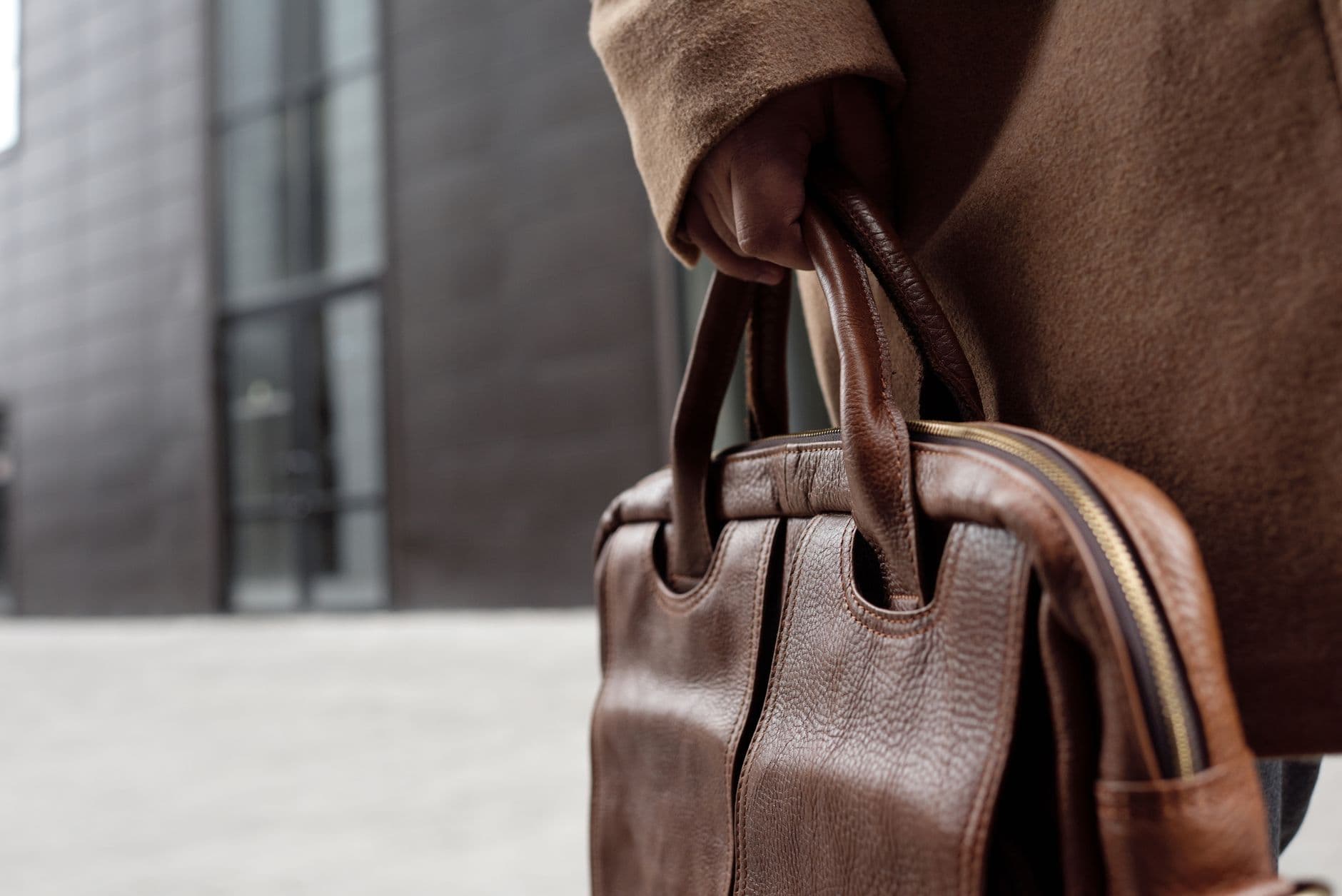
- Crossbody and tote styling has become normal in daily wardrobes, which lowers the barrier to entry.
- Brand ambassadors like Jacob Elordi give the category a clean, aspirational face without making it feel costume-like.
- Runway support from Louis Vuitton and the persistence of Bottega Veneta’s bag language make the category look established, not experimental.
This article was produced by Prism’s automated news system from verified source data, official records, and press releases, then run through automated quality and moderation checks before publishing. The system is built and supervised by the people who set the standards it runs under. Read our full AI policy.
Did this article answer your question?