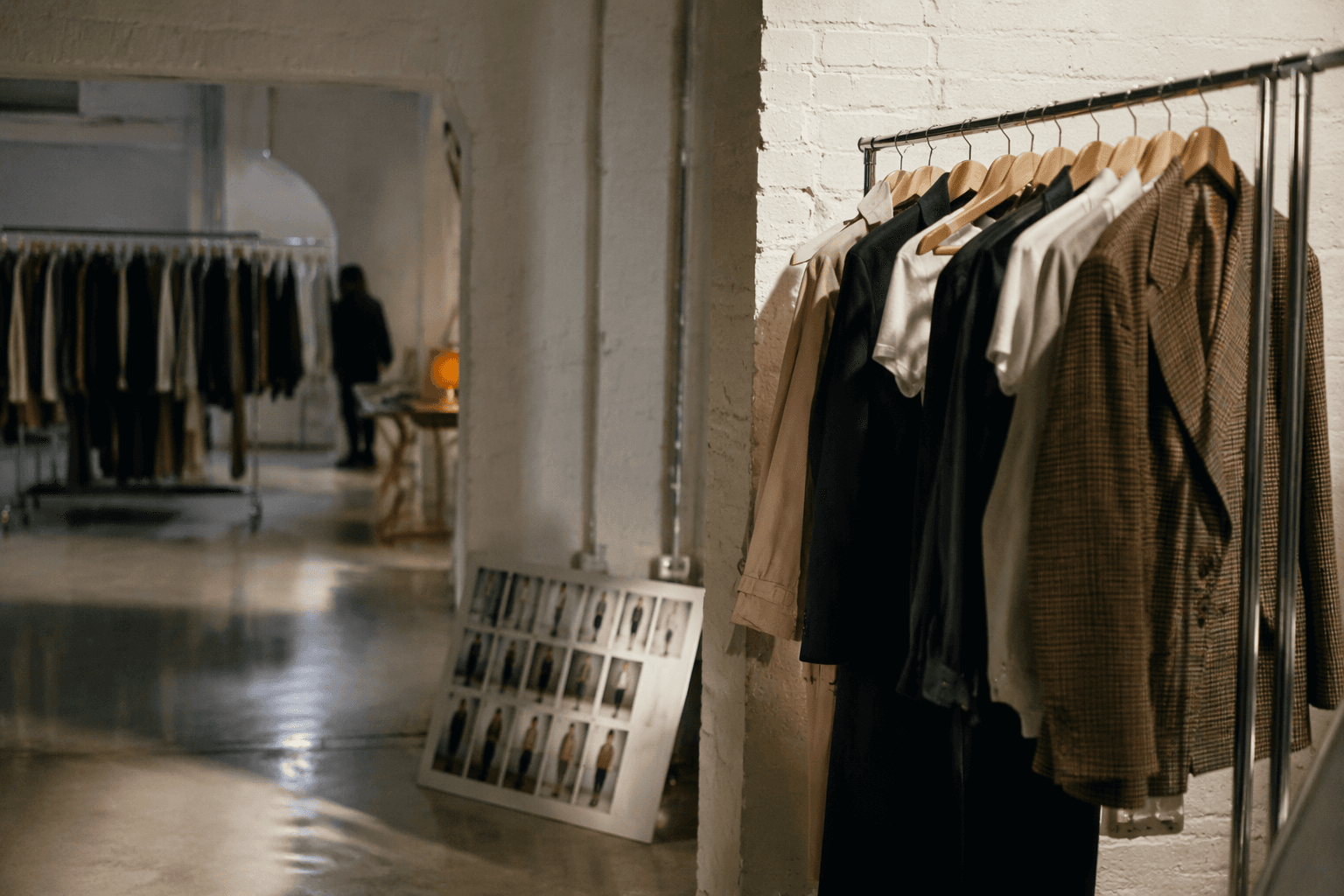
Sports style drives fashion’s effortless look in 2026
Sports has become fashion’s credibility engine, from Burberry’s football-fandom campaign to a market heading from $315.03 billion to $452.2 billion by 2030.
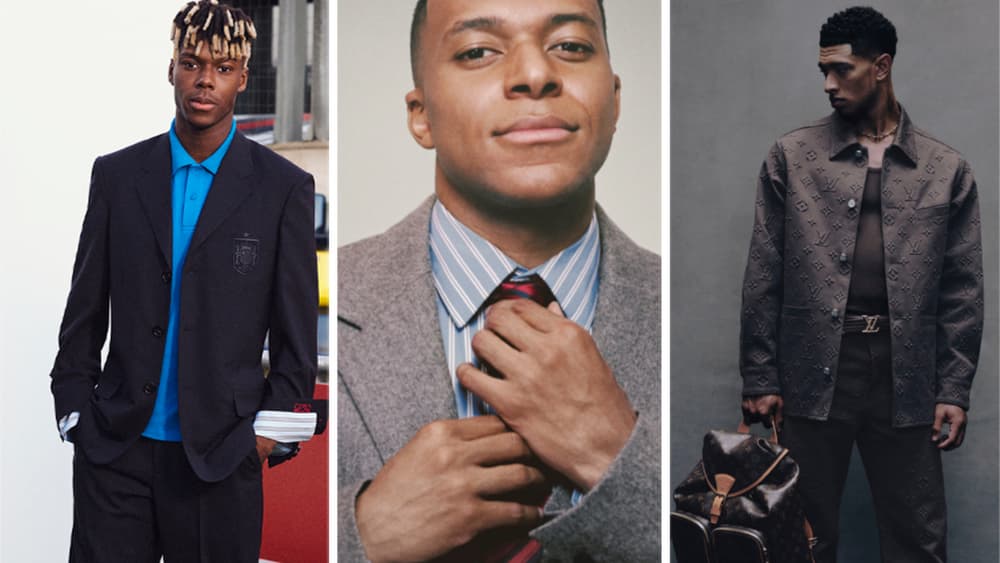
Burberry’s football-heavy “A Good Sport” campaign and the World Cup’s pull on fashion make the point with zero subtlety: sport is now one of fashion’s fastest routes to looking current.
The money is the point
The World Cup has supercharged fashion’s move toward sport-inspired dressing. That shift sits on top of real commercial scale, not just a mood board. Textile Network pegged the global sports-inspired clothing market at US$315.03 billion in 2023, rising to US$452.2 billion by the end of 2030, and Heuritech says athleisure could surpass USD 660 billion by 2030.
The conversation is no longer just about whether leggings are acceptable outside a workout; it is about how performance codes, movement, and sport credibility are being used to sell status, modernity, and ease. Brands are chasing the visual authority that comes with a football shirt, a tunnel walk, a podium moment, or a courtside look.
Gabriella Karefa-Johnson is the clearest lens on the shift
Gabriella Karefa-Johnson sits right inside this crossover. She was the first Black woman to style a Vogue cover, and she styled Vogue covers featuring Kamala Harris and Amanda Gorman. Her eye moves between politics, celebrity, and image power. She is not treating sport as a costume change. She is treating it as part of the same language that makes a cover, a campaign, or a red-carpet appearance land.

Her Streeters portfolio includes Nike Women 2025, Etro SS 2025, Nanushka SS 2025, and Moschino SS 2026. Her work on the US Grand Prix puts motorsport into the mix too, because fashion is increasingly using racing, football, and athlete visibility as shorthand for pace and relevance. In a May 29, 2026 interview with System Magazine, she said visibility could be a form of action, and that framing explains why athlete imagery hits so hard now.
Lewis Hamilton and Venus Williams came up as style references for a reason. Both athletes have long outgrown their lanes as competitors and now function as cultural signifiers, the kind of names that instantly signal polish, discipline, and a little bit of danger.
Burberry’s match-day world is the template
Burberry’s “A Good Sport” campaign is the cleanest example of how luxury is using sport in 2026. The brand says the campaign is inspired by Britain’s love of the beautiful game and moves from the pitch to the stands, centering match-day camaraderie with an all-star cast of familiar faces. Daniel Lee put it even more directly: “Burberry has connected football fans across generations for decades,” he said. “It’s only right that we celebrate this summer.”
That is not athleisure. Burberry is not just borrowing a football shirt silhouette or slapping a logo on a tracksuit; it is building a world around the ritual of watching, gathering, and belonging. The clothes carry the social mood of the stadium, which is why the campaign reads as a cultural play as much as a product push.
Why this feels different from athleisure
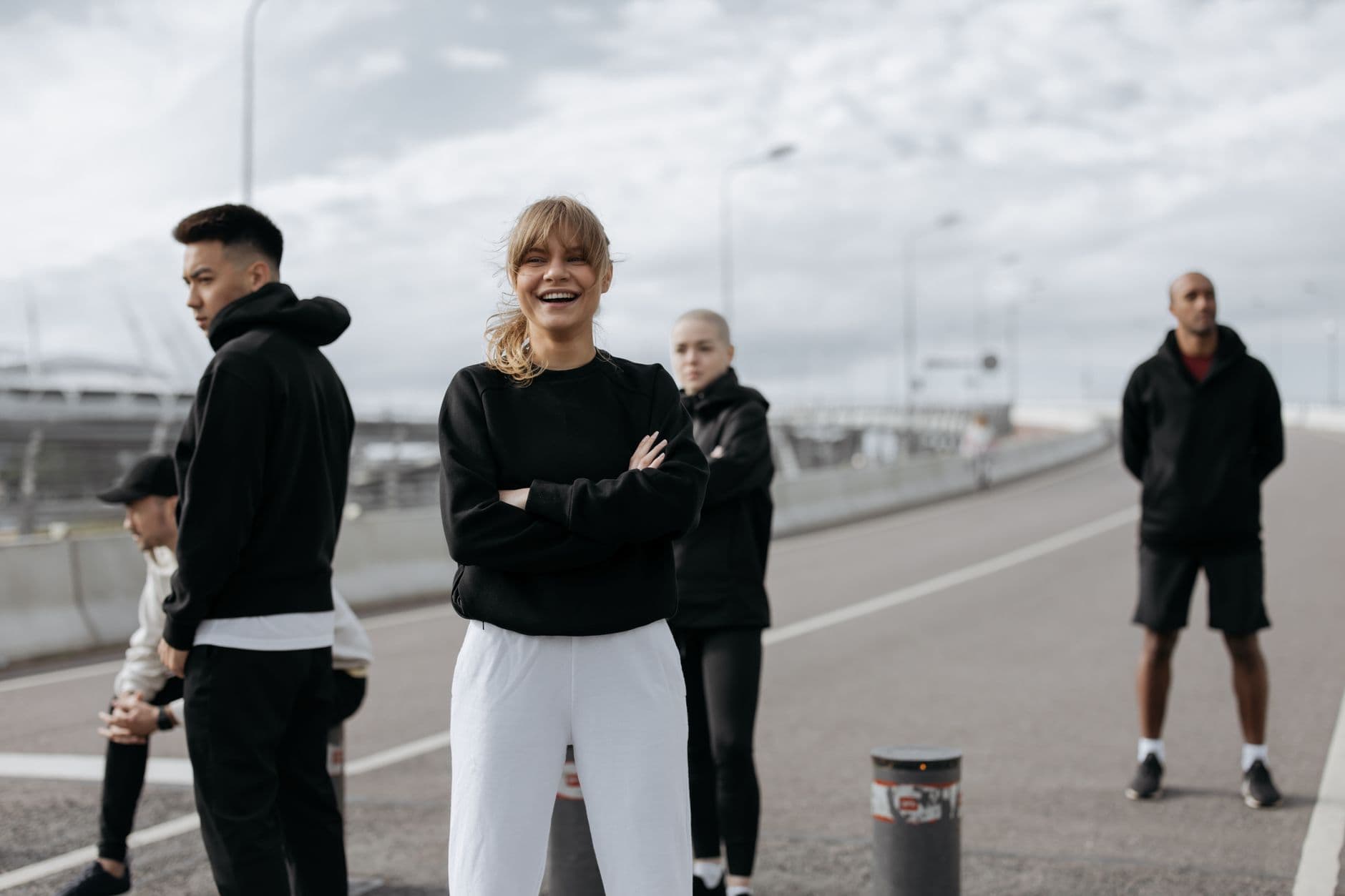
Athleisure used to be the big story, and it still matters. Heuritech defines it as athletic apparel people can wear in non-athletic settings, and says the sector grew 42 percent over seven years. But 2026 is not just about comfort pretending to be fashion. It is about fashion borrowing the visual codes of performance to signal discipline, speed, and access.
A tunnel walk photo, a racetrack backdrop, a football crowd, or a courtside look all do the work of saying, this brand understands what people actually watch, post, and idolize.
The roots run deeper than the current fever
The fashion-sports intersection points back to the late 19th and early 20th centuries, when athletic uniforms started influencing casual wear. The look later got a broader public foothold in the 1970s and 1980s, when sports participation grew and branded athletic wear became normal outside the game.
This article was produced by Prism’s automated news system from verified source data, official records, and press releases, then run through automated quality and moderation checks before publishing. The system is built and supervised by the people who set the standards it runs under. Read our full AI policy.
Did this article answer your question?