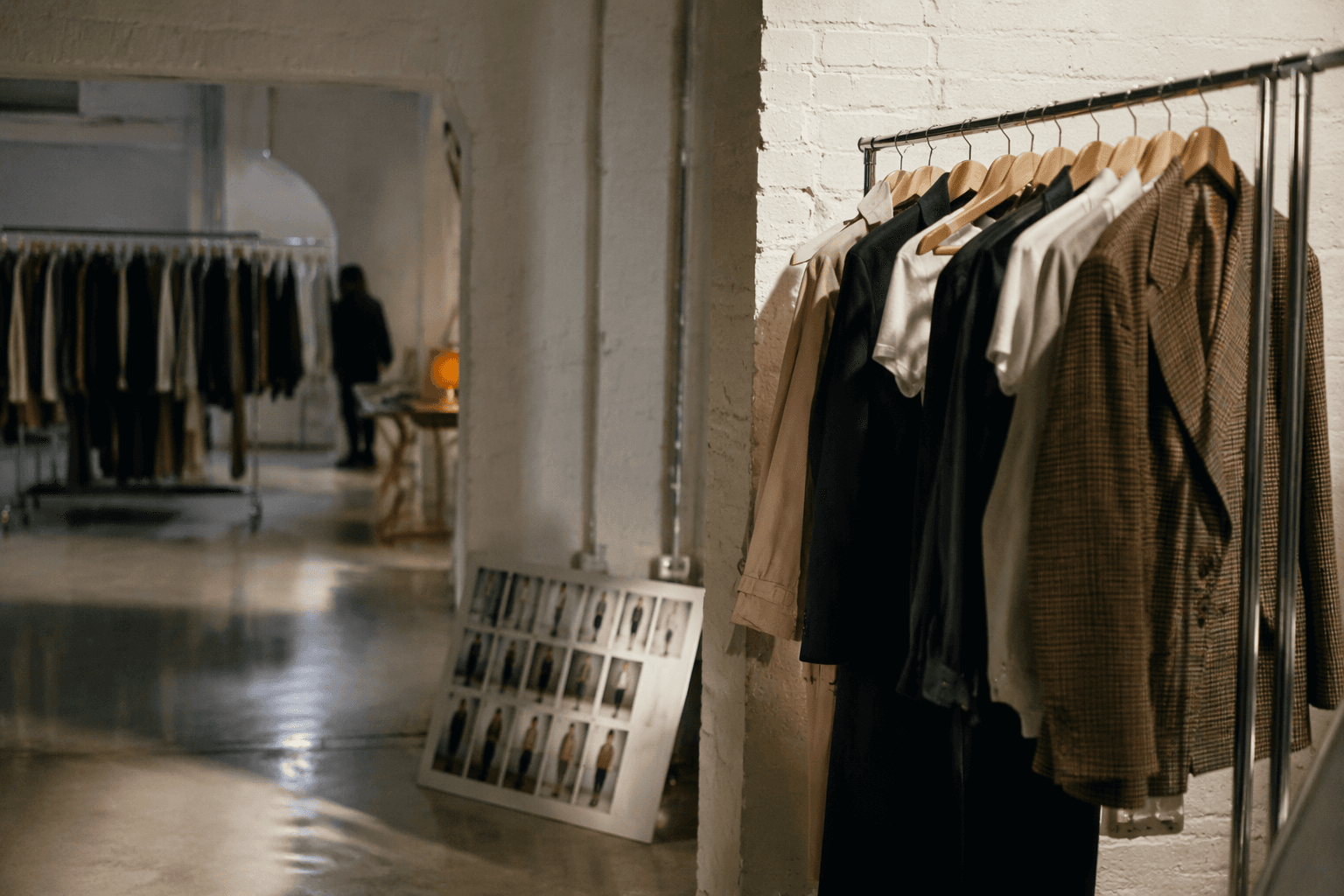
Why linen makes effortless style look polished, not sloppy
Linen looks expensive when you protect its drape, not fight its wrinkles. Cold water, mild detergent and a gentle cycle keep white shirts, trousers and sets polished all summer.
In Christina Pérez’s June 1941 Vogue linen care feature, photographed by John Rawlings, the fabric is treated less like a seasonal novelty and more like a discipline: one that depends on preserving its crisp, cool hand, not sanding it down into something generic.
Linen is one of the most comfortable fabrics in warm weather, even more so than cotton or silk, which is why the right kind of wrinkle reads as ease rather than neglect.
Why linen looks polished when it is cared for properly
The appeal of linen sits in a very specific tension: it is relaxed, but it is not slack. A linen shirt, trouser, or dress has enough structure to frame the body cleanly, yet enough softness to move with air and heat, which is why it can look expensive without appearing overworked.
The Victoria and Albert Museum traces flax, the plant linen comes from, as one of the oldest continuously cultivated plants in the world. Ancient Egyptians used the finest woven linen as an expression of class and wrapped mummies in linen bandages. The Alliance for European Flax-Linen & Hemp places linen’s history across millennia.
The wrinkle question, answered
Linen wrinkles because it is linen. FIT Newsroom is blunt about it: the fabric is extremely prone to wrinkling, especially in humid weather, which is exactly when it feels best to wear. The same climate that makes linen feel so breathable also brings out its creases.
The mistake is trying to eliminate every line. Linen’s wrinkles are part of the fabric’s appeal, not a defect to be erased. A few lived-in folds across a shirt cuff, the bend of a trouser knee, or the waist of a matching set can signal movement and ease; deep collapse, twisted seams and a crushed surface start to look careless.
How to wash linen without flattening its character
The simplest way to protect linen’s drape is to treat it gently from the start. Everlane recommends washing in cold water on a gentle cycle to preserve the structure and keep the fabric from shrinking or stiffening, while Rise & Fall sets a maximum of 30°C or 86°F for pure linen clothes on a gentle cycle in cold or lukewarm water, with mild detergent.
It is about keeping the cloth fluid enough to hang well over the body, rather than turning it papery or rigid after a few rough washes. The Federal Trade Commission’s Care Labeling Rule requires clothing manufacturers to attach care instructions to garments, which is why the label matters so much with linen: the maker has already done the work of telling you how to protect the weave.
A careful linen wash routine looks like this:
- Check the garment label first, then follow the temperature and cycle it specifies.
- Use cold water when possible, or lukewarm water if the label allows it, with a mild detergent.
- Keep the machine on a gentle cycle so the weave is not battered into stiffness.
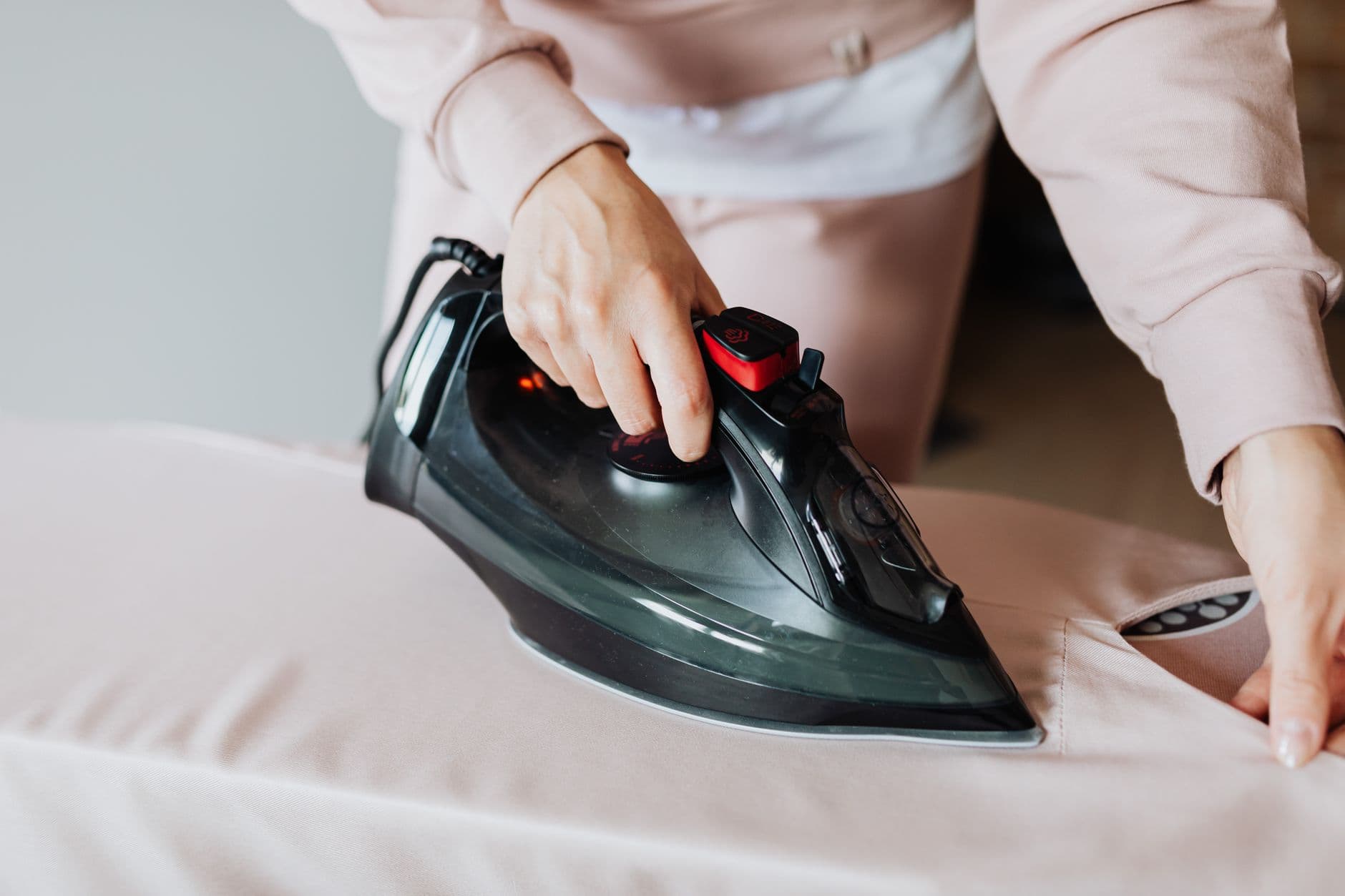
- Air-dry whenever you can, then press only as needed to restore clean lines without erasing the fabric’s natural texture.
White shirts, trousers and sets: the pieces that depend on good care
White linen shirts are usually the first casualty of bad washing because every dulling mistake shows up against that bright surface. If the cloth shrinks, stiffens or loses structure, the shirt can start to sit away from the body in the wrong way, turning crisp into chalky and relaxed into tired. Kept gently, though, a white linen shirt is one of the most useful pieces in a summer wardrobe, moving from office layering to weekend errands to travel.
Linen trousers ask for the same discipline. Their best version is fluid through the leg with enough body to skim, not cling, which is why preserving the weave matters so much. Once the cloth goes limp from abrasion or rough drying, the trousers lose that subtle architecture.
Sets are where linen can look especially luxe, because matching separates amplify any issue with texture. If the shirt has been overwashed while the trousers hold their shape, the whole look feels mismatched; if both pieces keep the same soft structure, the set reads intentional and expensive.
This article was produced by Prism’s automated news system from verified source data, official records, and press releases, then run through automated quality and moderation checks before publishing. The system is built and supervised by the people who set the standards it runs under. Read our full AI policy.
Did this article answer your question?