9 Street Style Trends To Try For Spring/Summer 2026
Street style is outpacing the runway this season, and the nine looks driving it all require zero new shopping.
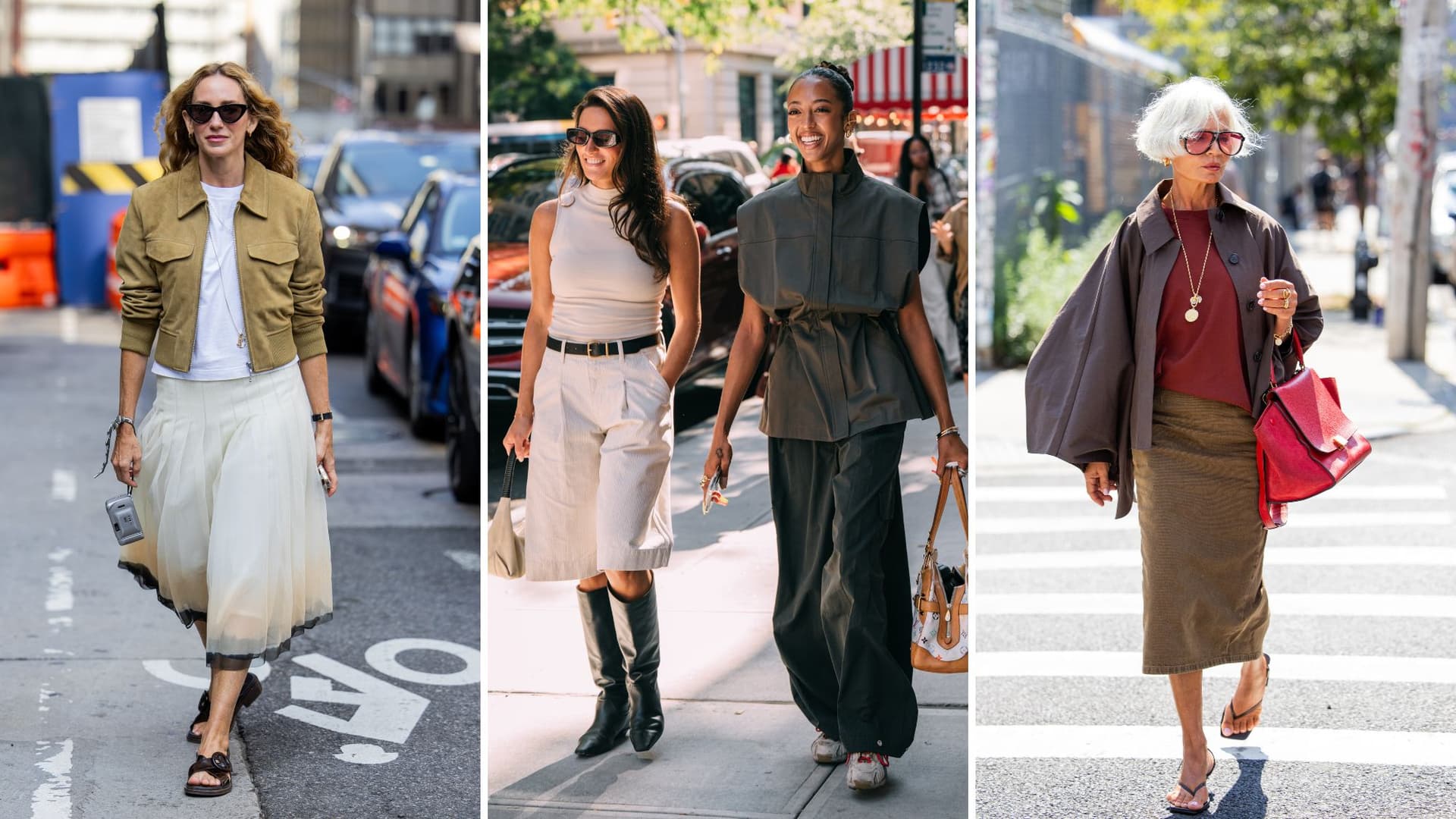
The shift happening right now on the streets outside fashion week shows is structural, not seasonal. This spring/summer 2026, the dominant energy is not about buying new things; it's about making existing things unrecognizable. The most compelling looks being photographed aren't the ones with the biggest budgets. They're the ones with the sharpest ideas. Here are the nine street style moves defining the season, and exactly how to execute them without burning your paycheck at fast fashion's altar.
The Backwards Blazer
If you know, you know. This is the insider trick of SS26: wearing your blazer back-to-front, keyhole at the nape of your neck, lapels falling behind you. Sarah Burton put it directly on the Givenchy runway, where blazers and dresses were intentionally engineered to look "wrong," creating a deliberate visual tension between what tailoring is supposed to do and what it's actually doing. Street style photographers caught the look almost immediately, and it spread fast. The brilliance of this trend is that it costs nothing. Dig out a blazer you already own, flip it, and you have a look that reads immediately as intentional.
- Thrift/DIY workaround: Any structured blazer from a charity shop will do the trick. Go for one a size up so the fit reads relaxed, not strained, when reversed.
- Buy it when: A blazer with a compelling back detail (an open pleat, a vent, visible construction stitching) earns its purchase price because it works twice: forwards for the boardroom, backwards for the weekend.
Zara had back-interest tailoring on shelves within weeks of the Givenchy show. If you're seeing it at your local high street retailer, the window for looking ahead of the curve is closing fast.
The Elevated Sweatsuit
The sweatsuit has been athleisure-coded for a decade, but SS26 snaps it out of the airport-lounge rut entirely. The key is exaggerated shoulders on the sweat jacket, giving the two-piece an instant power-play silhouette that reads structured rather than sloppy. Street photographers caught the look finished with a matching scarf draped over one shoulder, slicked-back hair, and pointed-toe pumps. The combination of the deliberately casual fabric against the formality of a sharp heel is where the tension lives.
- Thrift/DIY workaround: Vintage matching tracksuit sets have been circulating at thrift stores for years. The updated touch is all in the styling: swap your sneakers for pointed kitten heels and add a silk scarf in the same color family.
- Buy it when: A sweatsuit with deliberately oversized, padded shoulders justifies full price because it carries you through spring and, with the right layering, into early fall.
The Detachable Collar
This one traces back to the 1820s, when crisp white collars were a literal status symbol and detachable collars existed purely for practical reasons: you washed the collar, not the whole shirt. SS26 has reclaimed the logic and the aesthetic. Worn over crewneck sweaters, under open-collar shirts, or layered on top of a lightweight dress, the detachable collar adds formality or irony depending entirely on context. It's one of the most cost-effective accessories in the current street style toolkit.
- Thrift/DIY workaround: Cut the collar from a men's dress shirt found at any secondhand store. White works universally; Peter Pan styles in cotton or poplin are particularly current.
- Buy it when: A standalone detachable collar is worth buying only if it's made in a fabric that genuinely elevates: stiff organza, broderie anglaise, or a proper cotton piqué. Cheap polyester defeats the point.
The detachable collar is already showing up as a standalone accessory across high street brands, a sure sign that the sourcing window is tightening.
Maximalist Motifs
The maximalist messaging of SS26 is not subtle, and the street style response has been equally unambiguous. Bold prints, heavy embellishment, contrasting patterns worn simultaneously: this is a season that rewards commitment. Where previous maximalist cycles encouraged layering loud pieces with neutrals, SS26 street style is pushing the logic further. Pattern on pattern. Color on color. The look demands full conviction.
- Thrift/DIY workaround: Vintage printed blouses and patterned midi skirts are thrift-store staples. The trick is stacking them without hesitation. Florals over stripes, paisley over check: the more deliberate the clash, the more considered it reads.
- Buy it when: A heavily embroidered or beaded piece earns its full-price tag because it carries an entire outfit without needing supporting cast. One maximalist statement piece, worn repeatedly with different basics, delivers outsized value.
Pinterest's own trend data has been flagging this as one of the most-searched fashion directions for 2026. TheRealReal has noted sequins, animal prints, and bold volume silhouettes driving resale activity, meaning maximalist pieces hold value on the secondary market.
Sports Socks
Visible sports socks, worn high with everything that doesn't traditionally call for them, are one of the most photographed street style details of the season. They're showing up with midi skirts, tailored trousers, loafers, and pointed mules. The effect is deliberately sporty against formal silhouettes. It's a styling trick that fashion people have been deploying for years, but the SS26 concentration of the look at shows across fashion week cities has pushed it into clear trend territory.
- Thrift/DIY workaround: Any athletic sock from a sports retailer works. The logo actually reads better than a blank, adding an intentional branding note to the look. Pull them high.
- Buy it when: This is one of the few trends where buying is genuinely unnecessary. The gap between a $5 sports sock and a $60 designer sock is almost zero in terms of street impact.
Brands including Jacquemus and Miu Miu have long credited visible socks with cult following in their street style imagery, which is precisely why this moment feels genuinely arrived rather than manufactured.
Team Jersey Layering
Sports jerseys, layered over turtlenecks, under tailored coats, or worn belted as a dress: the team jersey has moved completely off the bleachers. The layering context is everything. A vintage basketball jersey over a fitted long-sleeve knit creates a proportional game that reads fashion-forward without effort. The logos and numbers that would once have seemed too literal now function as graphic print in a season already obsessed with maximalism.
- Thrift/DIY workaround: Secondhand sports jerseys are some of the most reliably available thrift finds, and vintage team logos add a cultural reference layer that new replica jerseys can't. Look for oversized fits you can belt or layer.
- Buy it when: Only invest in a jersey for resale reasons if it carries genuine cultural equity: a championship year, a retired player's number, or a limited-release collab. Otherwise, thrift wins outright.
Midi Skirt Mechanics
The midi skirt is SS26's most versatile shape, and the street style data backs it up. White midi skirts are registering a 100 percent increase in social buzz compared to last year, with sheer midi skirts (including lace and sequin variations) up 79 percent and suede midi styles up 87 percent year over year, according to Trendalytics' tracking of fashion week street style. The three-quarter length reads both structured and relaxed, making it the silhouette that travels most successfully between occasions.
- Thrift/DIY workaround: Vintage slip skirts and formal midi skirts hit the exact length. The key is intentional styling on top: a cropped knit, a boxy tee, or a blazer (worn forwards this time, or backwards, see above).
- Buy it when: A suede or high-quality satin midi skirt justifies full price because it layers across all three seasons: spring with a light knit, summer alone, fall under a long coat.
Headscarves, Worn Every Which Way
Headscarves are having their most expansive styling moment since the 1960s, and the numbers are striking: social buzz around headscarves has risen 139 percent year over year during this fashion week season, according to Trendalytics. What's making this particular moment different is the versatility of application. Street style photographers are catching them worn over the hair in silk and chiffon florals; tied around bag handles as decoration; slipped through belt loops and knotted at the hip as an improvised belt. The same square of fabric does all of it.
- Thrift/DIY workaround: Vintage scarves are abundant at charity shops and estate sales, frequently in silk or silk-look polyester. A 90cm square gives maximum styling range.
- Buy it when: A quality silk scarf (Liberty, Hermès archival, or a credible vintage piece) earns its place because it genuinely performs across all applications and holds resale value better than almost any other accessory at its price point.
Lace as a Fabrication Layer
Lace is no longer the sole territory of occasion dressing or lingerie-inspired aesthetics. On SS26 streets, it's functioning as a practical layering fabric. Lace camisoles are being worn under tailored blazers, sheer lace skirts over opaque knit shorts, and lace maxi skirts paired with oversized knits or graphic tees in a mix that references Chloe and Zimmermann's runway notes while landing very much in daily life. Lace trim detail alone (on camis, kimonos, and slip dresses) is up 78 percent in social buzz; lace camisoles specifically are up 109 percent year over year per Trendalytics.
- Thrift/DIY workaround: Vintage lace tablecloths and curtains, sewn into skirts or worn as overlay pieces, are a genuine DIY option with a long creative history. Lace camisoles are consistently available secondhand.
- Buy it when: A structural lace piece from a brand that knows the fabric, Zimmermann, Ulla Johnson, or a credible independent, earns its price point because the construction difference between quality and cheap lace is immediately legible. Fast fashion lace pills and loses shape within a season; the good version lasts years.
The fastest way to track when a microtrend has truly tipped is to check how quickly the high street mirrors it. Several of the lace-specific styles documented in fashion week street photography appeared in Zara and H&M lookbooks within three to four weeks of the shows. The looks worth investing in at this point are the ones with enough material quality or construction complexity that the fast-fashion knock-off will always read as lesser. This season, that list starts with lace, suede midis, and quality silk scarves, and ends there.
This article was produced by Prism’s automated news system from verified source data, official records, and press releases, then run through automated quality and moderation checks before publishing. The system is built and supervised by the people who set the standards it runs under. Read our full AI policy.
Did this article answer your question?


