The Trench Coat Gets a Modern Refresh for Spring 2026
Spring 2026's trench coat isn't just shorter; it's smarter, built for erratic weather and made from materials that have to earn their price tag.
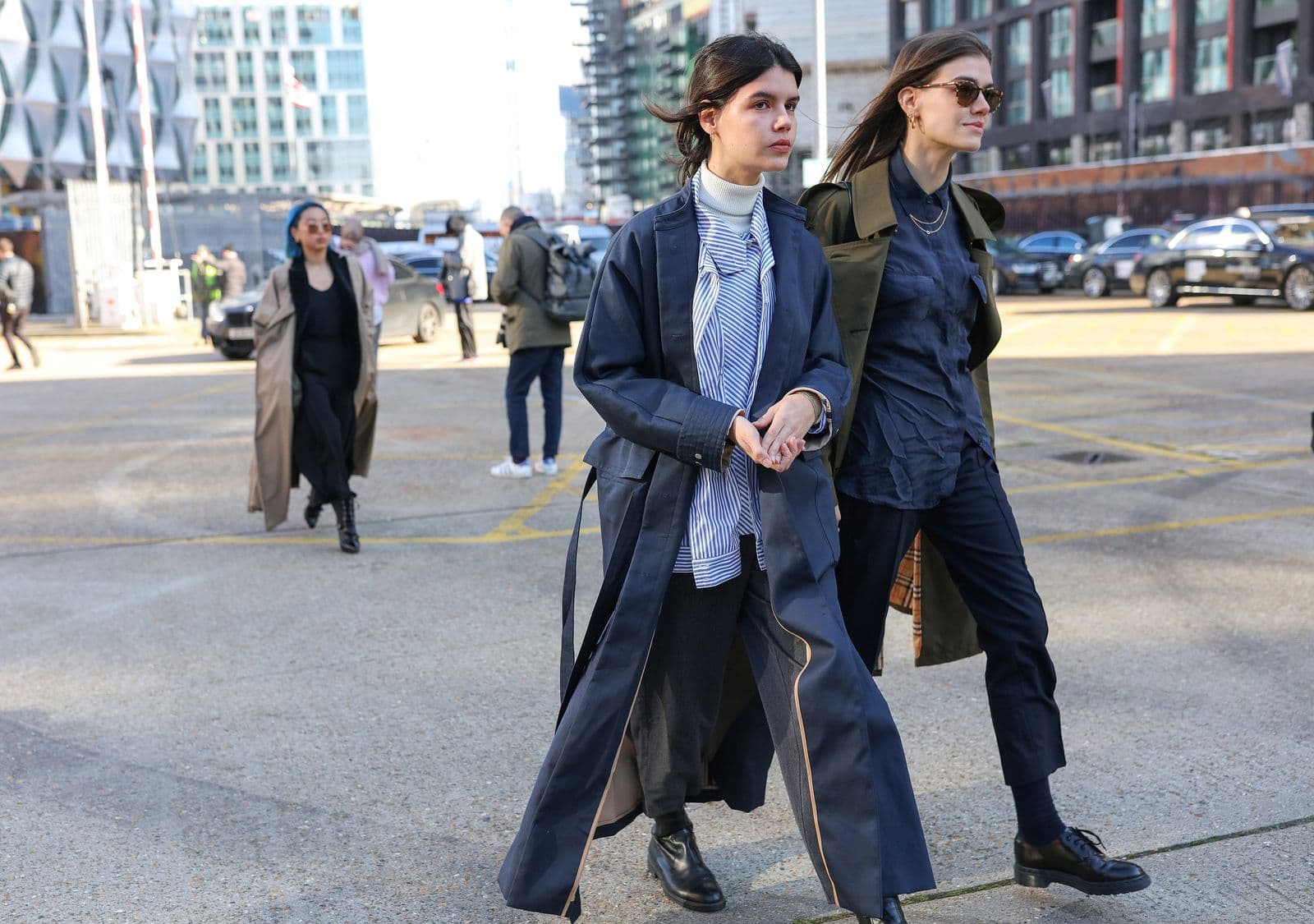
The conversation around the trench coat has shifted decisively. This is no longer a story about whether to wear one; it's a story about which version of the coat has caught up to the way we actually live, dress through 40-degree temperature swings, and hold brands accountable for what they're making it from. Spring 2026's trench is cropped, technically engineered, and carrying the weight of fashion's broader reckoning with material responsibility. The silhouette update is real, but the more interesting evolution is happening in the fabric itself.
The Cropped Silhouette and Why It Exists Now
Women's trench coats, especially cropped versions, are a defining Spring 2026 trend, spotted on runways and streets from London to Copenhagen. The logic is practical as much as it is aesthetic. The cropped length hits at the hip or upper thigh, creating a modern silhouette that works with wide-leg trousers and high-waisted jeans. Spring weather in most Northern Hemisphere cities is no longer the gentle, predictable season it once was. A long, sweeping trench coat becomes an obstacle when temperatures spike by afternoon; a cropped version layers cleanly over a knit and drops off just as easily.
Spring collections from Chloé, Tibi, and Ganni all featured cropped versions with exaggerated collars and technical fabrics, a sportier, sharper look that feels distinctly of this moment. Meanwhile, at the heritage end of the market, Burberry introduced the Mayfair trench jacket, which reinterprets the brand's signature silhouette with relaxed proportions and a cropped, lightweight design.
New Collar and Closure Treatments
The collar is where designers are doing their most pointed editorial work this season. Funnel collars are quickly rising in popularity, the statement detail adding a bold, sharp touch to any ensemble. At Saint Laurent, a silk-lined style invites the throat latch to be fastened for a striking funnel-neck effect. It's a small manipulation of a familiar hardware detail that reads entirely differently on the body. Elsewhere, the research points to hidden buttons supporting streamlined silhouettes and drop shoulders softening the coat's traditional military authority into something closer to tailored ease.
Drop shoulders, voluminous silhouettes, and waist-cinching belts are defining today's hero trench shapes, with classic lapels, wraps, and dramatic necklines all in play. The voluminous hemline has captured designers like Chloé and Loewe, adding dimension and securing the trench's place as a genuine head-turner this season.
The Materials Story: Technical Fabrics Enter Luxury
This is where the 2026 trench gets genuinely interesting. Lightweight technical fabrics, specifically breathable cotton blends and water-resistant finishes, are keeping spring trenches comfortable without bulk, and relaxed or slightly oversized cuts allow for easy layering over knits, tees, or dresses. The satin-finish trench, also surfacing this season, reads as the opposite proposition: less about weather protection and more about dressing the coat upward, treating it as eveningwear adjacency rather than outerwear utility.
Burberry's gabardine remains the technical benchmark for weather performance. Gabardine is a shower-resistant fabric invented by Thomas Burberry, and Heritage Collection styles are hand-finished with details such as epaulettes and D-ring belts, now including seasonal iterations crafted from tropical gabardine. The brand's push toward material transparency is part of a broader industry arc: Burberry has reimagined its classic gabardine with a blend of organic cotton and recycled polyester, maintaining its weather-resistant properties while reducing its environmental footprint.
Buy vs. Skip: A Longevity Checklist
Not every trench on the Spring 2026 floor deserves your money. The aesthetic is easy to replicate cheaply; the construction is not. Before committing, consider:
- Lining: A fully lined trench adds warmth, protects the outer shell, and signals that the maker invested in the unseen. Half-linings cut costs but reduce longevity. Silk linings, like those at Saint Laurent, are a luxury indicator worth verifying.
- Seams: Inspect the seams, buttonholes, and flaps closely. Flat-felled seams resist fraying over years of wear. Serged edges on a premium-priced coat are a red flag.
- Buttons and belt hardware: High-quality buttons and a sturdy belt enhance both the coat's durability and its aesthetic appeal. Plastic fastenings on a coat above a certain price threshold are a dealbreaker. Horn, metal, or resin buttons earn their cost.
- Waterproofing claims: After each wash, the water-repellent treatment on cotton trenches needs to be renewed with a suitable spray. Brands that tell you their waterproofing is permanent are either using Gore-Tex (which legitimately performs) or overstating their case. Gore-Tex is known for waterproof and windproof properties while allowing breathability, making it a premium but justified investment for those who need reliable protection.
- Material composition: Natural fibers breathe, age with dignity, and can be repaired. A cotton gabardine trench bought for longevity will outlast three synthetics bought for price.
Brands Doing More Than Aesthetics
A handful of labels are treating the Spring 2026 trench as an opportunity to advance something beyond a new lapel width. Everlane, committed to "Radical Transparency," partners with ethical factories and uses recycled materials throughout its outerwear offering. Reformation uses only sustainable and natural fabrics and tracks the environmental footprint of its outerwear, including its trench styles. These are not merely brand positioning moves; they represent a measurable change in sourcing accountability.
At the responsible-materials end of the market, collections built from organic cotton, recycled polyester, and other sustainable materials using cruelty-free methods are reducing the need for frequent replacements and cutting waste. The mono-material design principle, building a coat from a single fiber type so it can be recycled without separation, is the next frontier for trench coats specifically, and brands currently experimenting with it are worth tracking closely.
Styling for Transitional Weather
A trench coat bridges the gap between winter layers and summer ease: lightweight yet protective, structured yet relaxed, and perfect for mornings that start cool and afternoons that warm up fast. For the cropped version specifically, the styling logic is almost self-evident: pair it over a substantial knit or tailored shirt rather than a delicate slip, so the proportion contrast works rather than fights. Wide-leg trousers balance the abbreviated hem; straight-cut denim grounds it without competing.
The belted waist remains non-negotiable for any trench with a traditional self-tie. Wearing it open and loose reads as intentional now in a way it didn't five years ago, but the belt still belongs in the loops rather than discarded. For the funnel-collar silhouettes, throat hardware fastened all the way up and clean-lined trousers create a column effect that carries its own authority.
The spring 2026 trench is not asking to be treated as a wardrobe investment simply because it's had a design refresh. It's earned that status when it's built honestly, from materials that perform in rain and hold their structure over years, from a brand willing to name what it's made of and stand behind the seams long after the season ends.
This article was produced by Prism’s automated news system from verified source data, official records, and press releases, then run through automated quality and moderation checks before publishing. The system is built and supervised by the people who set the standards it runs under. Read our full AI policy.
Did this article answer your question?


