Chain belts are back, the fastest way to upgrade outfits
Chain belts are back because they do one job brilliantly: make a plain outfit feel finished without buying a whole new wardrobe.
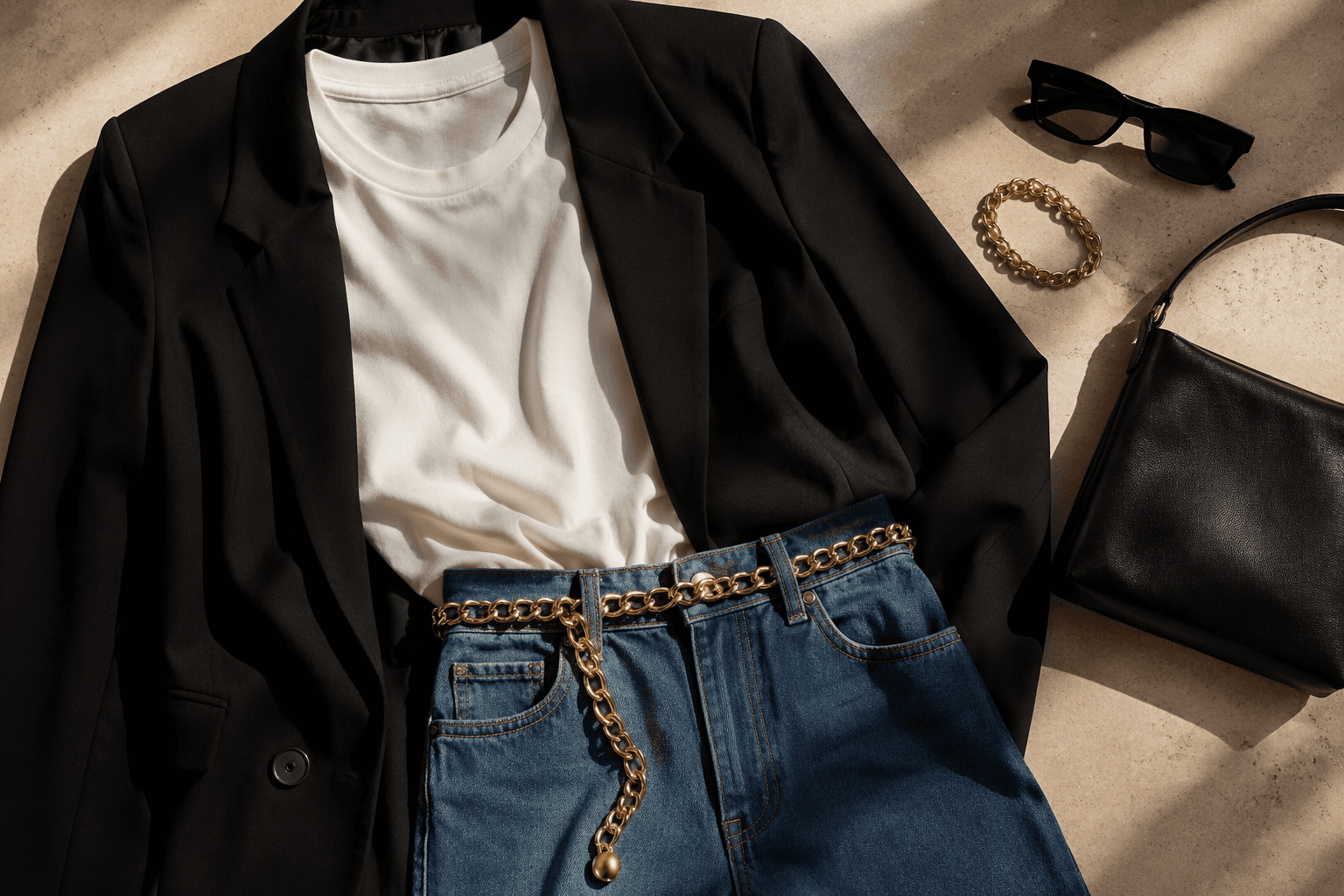
Thin gold chain belts looped around high-waisted trousers at Ulla Johnson’s spring/summer 2026 show, then kept turning up in Resort 2026, autumn/winter 2026 and early spring/summer 2027 collections.
Why chain belts feel right now
This is not a serious-belt moment. It is an “I need this outfit to look intentional in ten seconds” moment. Chain belts work because they do the bare minimum with maximum visual payoff, turning jeans, midi dresses and summer pieces like denim capris into something sharper without the commitment of a whole new silhouette. That is exactly why the accessory keeps returning when shoppers want a wardrobe refresh that costs less than a coat and brands want a detail that reads new without rebuilding the whole look.
The early-2000s memory of them is part of the charm. Harper’s Bazaar UK’s Hannah Banks-Walker admits she last tried styling chain belts around 2002, which is basically the point: this is the accessory equivalent of rediscovering an old photo of yourself and realizing the shape still works. By August 2023, the “unnecessary belt” was already a hallmark of Y2K dressing, and a 2026 trend report shows search interest in “2000s belt trends,” “wide belts” and “chain belts” climbing over the past year.
What made the runway switch on
The strongest signal came from the spring/summer 2026 shows. Dries Van Noten leaned into clustered silver styles that looked denser, shinier, and more jewelry-like than utility-minded. Marc Jacobs pushed the idea further across AW26 and SS27 with simple silver chains, gold strands, waist-cinching belts and even colorful plastic chains.
Gabriela Hearst, Hermès, Isabel Marant, Chloé and Ralph Lauren are in the next season’s chain-belt mix too.
The product-cycle logic behind the comeback
Chain belts are back because they are cheap-looking in the best possible way: not low quality, but low commitment. They offer the kind of wardrobe update people reach for when they want freshness without replacement, especially after a few seasons of bigger, more expensive trend swings. A chain belt can change proportion, catch light, and add motion to a basic outfit; it is a small purchase with a big styling return.
They give brands an easy runway cue and give shoppers a fast fix for pieces already in rotation. A plain white tank, a slip skirt, a pair of straight-leg jeans, even a simple summer dress, all become more deliberate once a chain breaks the flatness at the waist or hip.
How to choose one that won’t feel disposable
The best versions are the ones that look like they could survive more than one trend cycle. Solid metal in gold or silver will outlast novelty finishes, and cleaner link shapes are easier to rewear because they sit between jewelry and utility instead of tipping into costume. Thin chain belts like the ones at Ulla Johnson feel especially wearable because they are subtle enough to layer with real clothing, not just trend pieces.
- A weighty metal feel rather than hollow links
- A clasp or closure that sits flat and does not twist
- A length that can be worn at the waist or low on the hip
- Neutral metal tones that work with denim, tailoring and dresses
Colorful plastic chains, like the ones Marc Jacobs used for SS27, are fun, but they are also the most date-stamped. If you want the piece to work hard, look for:
Silver reads cooler and more graphic, gold feels warmer and a little more polished, and both are safer bets than novelty colors if you want the belt to live through more than one summer.
The longer history makes the return feel less random
The chain belt did not begin with Y2K, even if that is how most people remember it. Its origins trace to early 1960s Paris, and the style is connected to Pierre Cardin’s 1962 Space Age collection, which is exactly the sort of futuristic optimism that made metallic accessories feel modern in the first place. The Metropolitan Museum of Art also holds a late-1960s Pierre Cardin belt in its Costume Institute collection.
This article was produced by Prism’s automated news system from verified source data, official records, and press releases, then run through automated quality and moderation checks before publishing. The system is built and supervised by the people who set the standards it runs under. Read our full AI policy.
Did this article answer your question?