How the shirtwaist shaped modern women’s style
The shirtwaist turned a man’s shirt into a woman’s public uniform, and its clean button-front logic still powers modern shirtdresses and office staples.
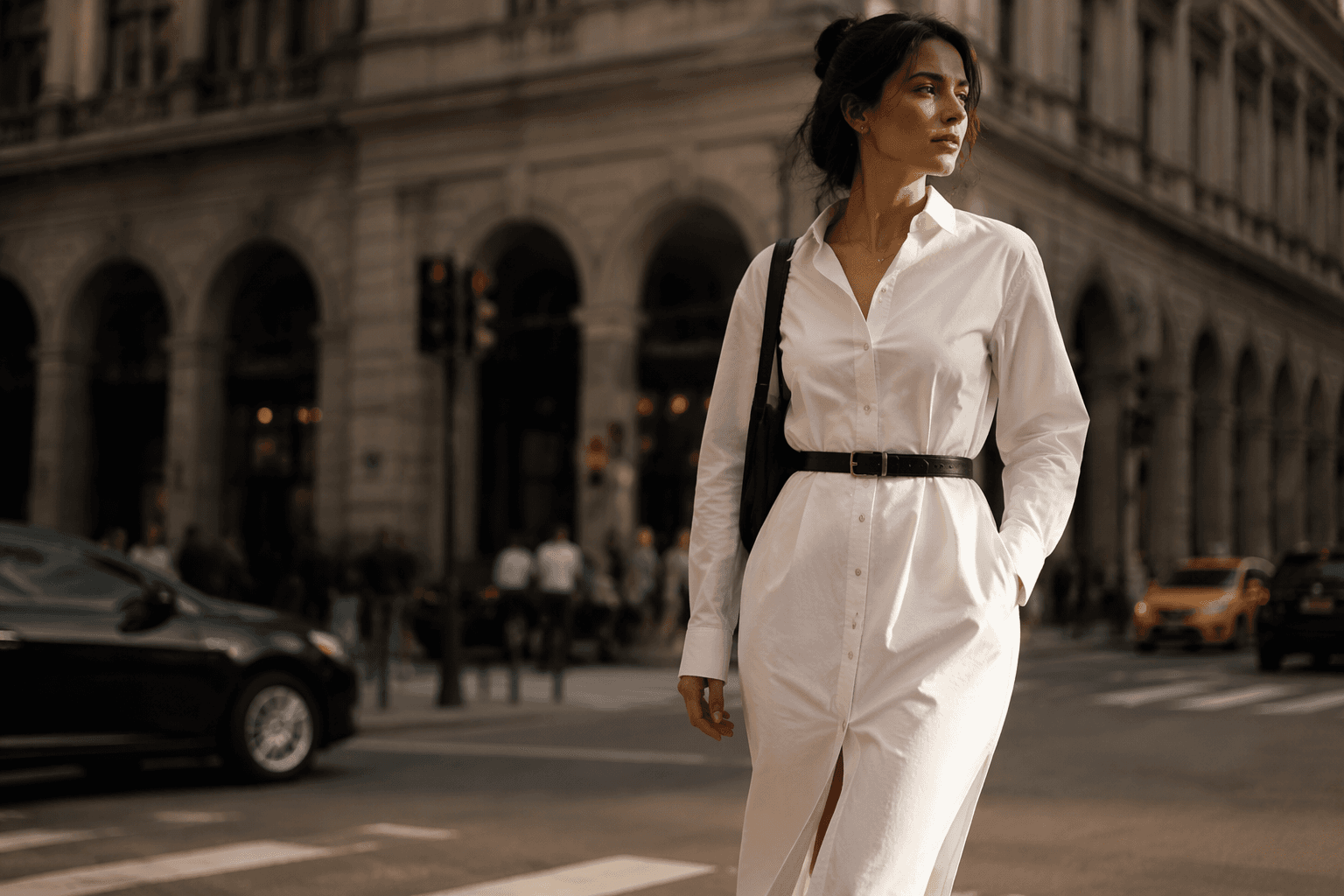
The shirtwaist is one of fashion’s clearest examples of a garment that changed how women dressed and how they moved through the world. Built from the structure of a man’s shirt and refined into a feminine blouse, it brought polish, mobility, and practicality into the same silhouette. That is why it still reads as modern: the logic of the shirtwaist survives in shirtdresses, button-downs, and the kind of office-ready pieces that can stretch into evening.
What made the shirtwaist different
At its core, the shirtwaist was a women’s blouse with a tailored shirt collar, front placket, buttons, cuffs, and a waist-defining shape designed to be tucked into a skirt. That construction gave it a crisp, upright line without the stiffness of heavily ornate daywear, which is part of why it became such a major fashion of the 1890s. The Fashion Institute of Technology’s Fashion History Timeline, dated September 30, 2017, places the shirtwaist inside that broader shift toward simpler, more wearable women’s dress.
The New York Historical’s May 15, 2025 post on “The Stylish Shirtwaist” makes the garment’s social reach feel immediate, especially with its image of six women wearing shirtwaists. The style was not just a blouse by another name, though it was that too; it became a visual shorthand for modernity, especially when Charles Dana Gibson and his Gibson Girls helped popularize the look. The shirtwaist’s appeal lay in how neatly it borrowed the authority of menswear while keeping the silhouette distinctly feminine.
Why it mattered beyond appearance
The shirtwaist mattered because it answered a practical problem. Women needed clothing that could move with them in public, in workspaces, and on city streets, and the shirtwaist delivered a more washable, less encumbered alternative to the structured daywear that came before it. It could look correct in a drawing room and still hold its own in an office, which made it useful to the emerging image of the “new woman” and to the Gibson Girl ideal of energetic, forward-looking style.
A 1910 Delineator advertisement described a “shirt-waist or shirt-blouse in Gibson style” as suitable for sporting and general use, which is exactly the kind of versatility that explains the garment’s endurance. That language matters because it shows the shirtwaist being sold not as costume or novelty, but as a dependable part of everyday dressing. The shirtwaist offered the rare combination of polish and ease that modern wardrobes still chase.
The Triangle factory made the shirtwaist impossible to ignore
The shirtwaist was not only a style story, it was a mass-market industry. Max Blanck and Isaac Harris founded the Triangle Shirtwaist Factory in August 1900 to capitalize on the shirtwaist craze, and by 1911 it was the largest shirtwaist manufacturer in New York City and possibly the country. That scale tells you how deeply the garment had penetrated women’s wardrobes before it became tied to one of the most devastating industrial disasters in American history.
On March 25, 1911, the Triangle Shirtwaist Factory fire killed 146 people, mostly immigrant women and girls. The New York Historical noted in 2011 that the fire prompted new fire safety and building codes and galvanized the labor movement, while the U.S. Census Bureau’s March 2016 history piece also identified March 25, 1911 as the date of the disaster. The fire gave the shirtwaist a second, sobering legacy: it became inseparable from the labor conditions of the women who made and wore it.
How the shirtwaist lives on in modern dressing
The shirtwaist never disappeared, it changed shape. Designers keep returning to its framework in puff-sleeve blouses, utility shirts with feminine detailing, denim overshirts, crisp white work blouses, and button-front tops finished with lace or pleating. Each version preserves the same essential formula: a structured front, a defined waist or hemline, and enough restraint to feel polished without looking severe.
That is why the silhouette still slips so easily into today’s wardrobe. A shirtwaist-inspired top works with straight-leg trousers for a clean office look, with a midi skirt for a more retro line, or with wide-leg jeans for a high-low balance that feels current rather than costumed. The collar sharpens the face, the cuffs add a tailored finish, and the tucked waist keeps the whole look intentional.
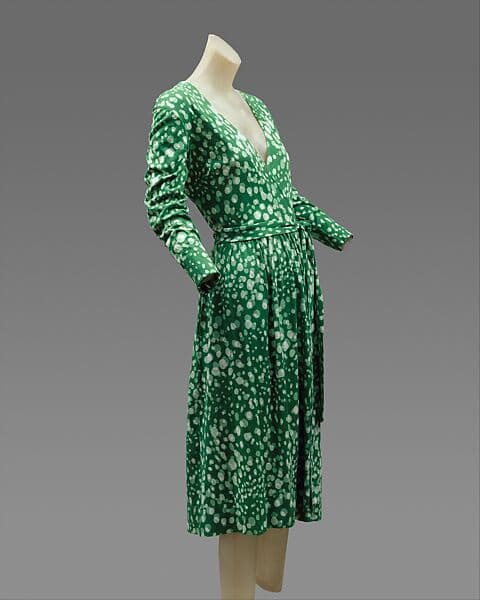
The shirtwaist dress itself extends that lineage even further. Fashion history sources note that shirtwaist dresses were worn as early as the 1900s and were based on the design of a man’s shirt, which explains why the style keeps resurfacing in modern shirtdresses. Every time a designer trims a collar, adds buttons down the front, or gives a dress a more tailored torso, the shirtwaist is there in the background, still shaping the silhouette.
Why this shape keeps winning
The shirtwaist endures because it solves more than one problem at once. It flatters without fuss, supports movement, and works across settings that ask for different degrees of formality. Few garments can claim the same continuity from the 1890s to the office-to-evening wardrobe of now, and even fewer can connect fashion history, labor history, and everyday utility so cleanly.
That is the shirtwaist’s real legacy: it turned a borrowed menswear structure into a distinctly modern women’s uniform, and the wardrobes built around it have never stopped borrowing the idea.
This article was produced by Prism’s automated news system from verified source data, official records, and press releases, then run through automated quality and moderation checks before publishing. The system is built and supervised by the people who set the standards it runs under. Read our full AI policy.
Did this article answer your question?