Italy Targets Sephora and Benefit Over Marketing Cosmetics to Children
Italy's antitrust body became the first in Europe to investigate LVMH's Sephora and Benefit over micro-influencer campaigns pushing anti-aging serums to children under 10.
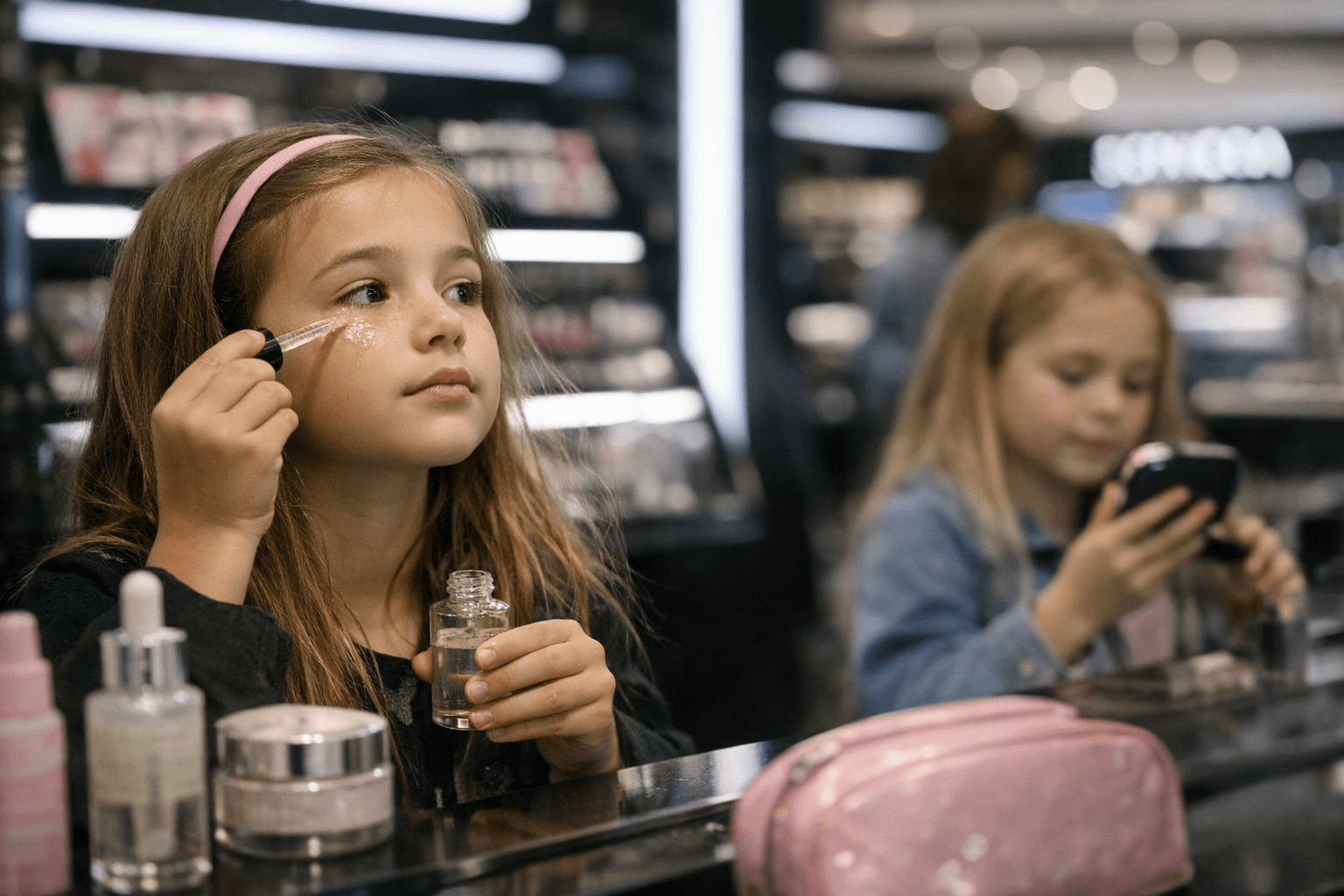
Italy's competition watchdog made history last month as the first European regulator to formally challenge the beauty industry's targeting of children, raiding LVMH offices and opening parallel investigations into Sephora and Benefit Cosmetics over allegations that they deployed a "particularly insidious" marketing strategy to sell adult skincare products to children, including those under the age of ten.
The Autorità Garante della Concorrenza e del Mercato announced on March 27 that it is probing Benefit Cosmetics LLC, Sephora Italia S.r.L., and LVMH Profumi e Cosmetici Italia S.r.L. for what it described as "possible unfair commercial practices" tied to the marketing of adult cosmetics to minors. The day prior, AGCM officials and the Italian financial police carried out inspections at the premises of Sephora Italia, LVMH Profumi e Cosmetici Italia, and LVMH Italia.
The AGCM said it was concerned the brands were using very young micro-influencers on social media to encourage premature use of adult cosmetics and compulsive purchasing of face masks, serums, and anti-aging creams, habits linked with "cosmeticorexia," an obsession with skincare among minors. This is the mechanism that built the "Sephora kids" phenomenon into a cross-continental retail reality: not television advertising, not catalogues, but children with smartphones filming other children with haul bags, creating a peer-to-peer marketing loop that no traditional age-gate was designed to catch.
Sephora, with a significant online presence boasting nearly 23 million Instagram followers and over two million on TikTok, sits at the nexus of that loop. The trend involves children sharing their personal skincare regimens and acquired products on various platforms, with numerous videos under hashtags like "Sephora kids haul" and "Sephora kids GRWM" documenting children purchasing and showcasing these beauty items.
At the center of the probe is also what the AGCM called the omission of crucial consumer information. "The investigations were opened over concerns that important information, such as warnings and precautions for cosmetics not intended for, or tested on, minors, may have been omitted or presented in a misleading manner," the authority said. It added that "the frequent and combined use of a wide range of cosmetics by minors, without proper awareness, may be harmful to their health." The failure to label clearly matters in practice: a ten-year-old browsing Sephora's shelves or scrolling its app has no way of knowing that an exfoliating serum designed for adult skin was never tested on hers.
The companies could face substantial fines if found to have breached consumer protection regulations. LVMH confirmed it had been notified of the proceedings. "As the investigation is ongoing, Sephora, Benefit and LVMH P&C Italy cannot share further comments at this stage, they express their willingness to fully cooperate with the authorities," LVMH said in a statement. The parent company also asserted that "all the companies reaffirm their strict compliance with applicable Italian regulations."
Italy did not invent this concern, but it is the first to formalize it. In Sweden, a few beauty companies had already introduced age restrictions for advanced skincare products containing active ingredients such as alpha-hydroxy acid and beta-hydroxy acid. Those were voluntary measures by individual brands. What Italy is doing is different: regulatory enforcement, backed by financial police and consumer protection law, with the potential to set binding precedent across the EU.
The AGCM had also launched a separate investigation in February into Procter & Gamble's adverts for a Braun hair removal device, which it said may have potentially misled consumers, signaling a broader appetite for scrutiny of cosmetics marketing practices, not just a one-brand moment. If the AGCM finds violations against Sephora and Benefit, other European watchdogs will have both a legal template and a political mandate to follow. For the beauty industry, that makes this Italian investigation considerably larger than its geography suggests.
Know something we missed? Have a correction or additional information?
Submit a Tip