Love All Tennis Brings Retro Chic From Court to Café
Court-core is widening into daily dressing, and Love All Tennis shows how pleats, crisp whites, and performance fabrics now pull brunch duty too.
A reset, not a replay
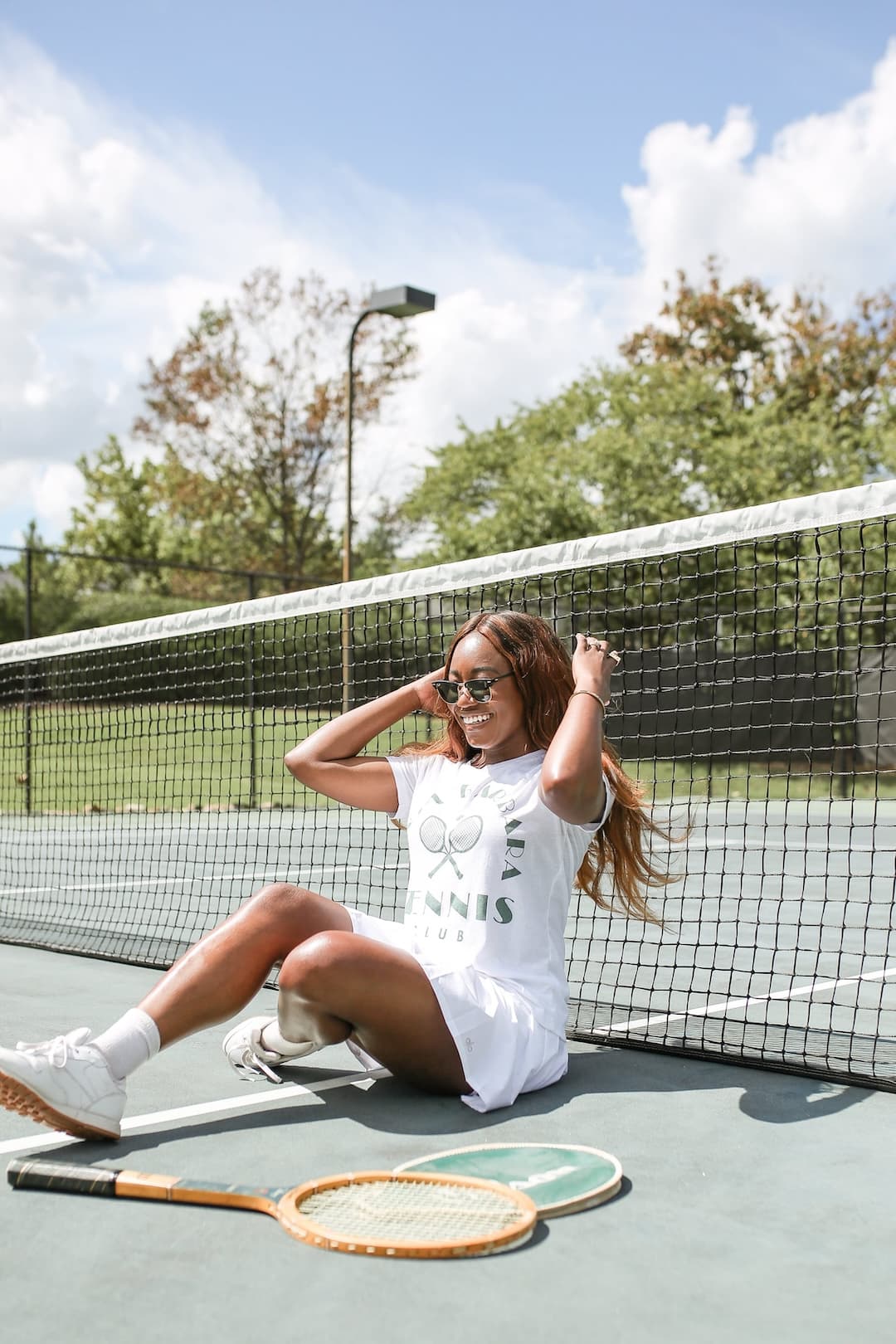
Love All Tennis captures the next phase of court-core: less costume, more closet staple. The brand takes the clean lines, pleats, and crisp whites of classic tennis dress and recasts them as pieces you can wear to brunch, on errands, and while traveling, which is exactly why the trend has moved beyond a niche sports reference into a broader style shift.
Kate Davis founded the brand in 2021 after spotting a gap as a club player. A Harvard Business School graduate and lifelong tennis player, she wanted clothes that felt timeless and flattering but could still handle a full day on and off the court. That origin story matters because it explains the appeal of Love All Tennis better than any trend map does: the clothes are built for motion, but they are styled for real life.
What Love All Tennis gets right
Love All Tennis is a women-owned and designed American tennis clothing and accessories company based in New York, and its point of view is clear from the start. The line leans into vintage-inspired tennis design, then updates it with modern performance fabrics, so the pieces keep the polish of old-school tennis whites without feeling frozen in time. That balance is the secret sauce of court-core right now. Readers do not want a theme party. They want a wardrobe that can shift from a match to a meeting without changing its personality.
The brand’s price range, from $16 to $225, also says a lot about where it sits in the market. At one end are accessible entry points that make the aesthetic easy to try; at the other are hero pieces that signal a more elevated spend. The Ainsley Top at $140 and the Anna Resort Dress at $195 are the kind of items that justify their place by doing more than one job. They are not just “tennis clothes.” They are the kinds of pieces that can carry a weekend bag, a city stroll, and a lunch reservation with equal ease.
The styling language is what makes the brand feel especially current. Think pleated skirts that move cleanly, crisp whites that look sharp rather than precious, and performance fabric that keeps the silhouette from collapsing once the day gets warm. That is the point of this new court-core moment: the clothes are meant to look intentional even when you are nowhere near a baseline.
Why the trend has real staying power
This is not a small aesthetic ripple. The United States Tennis Association said U.S. tennis participation increased by 1.6 million in 2025, reaching 27.3 million total players, a 54% jump since 2019. Even more telling for fashion, the federation said tenniscore helped attract an additional 476,000 players ages 18 to 24. Add the International Tennis Federation’s figure of 106 million tennis players worldwide, and you have a sport with both cultural reach and commercial gravity.
That matters because fashion rarely embraces a sport this fully unless the category has audience momentum behind it. Tennis is no longer just inspiration for a stripe, a pleat, or a white sneaker. It is functioning as a visual shorthand for ease, discipline, and polish, which gives brands a huge advantage when they are selling clothes meant to feel versatile instead of specialized. Love All Tennis fits neatly into that shift because it is built around the idea of buying fewer pieces that work harder across the day.
Court to café is the new pitch
Davis has framed the brand as something that moves from the court to the café, and that is the strongest possible reading of where this trend is headed. The phrase gets to the core consumer appeal: you are not buying an outfit for one highly specific moment. You are buying something that can survive the schedule of modern life, from early doubles to coffee afterward to a train ride home. The collections span Love All Tennis and Love All Golf, which widens the proposition even further into a lifestyle system rather than a single-sport capsule.
That broader framing also helps explain why the brand’s message leans on belonging and connection through sport. Tennis has always carried a certain social mythology, but the current fashion version makes it more open, less guarded. The clothes look polished without reading as exclusive, and that is an important distinction in a market that increasingly rewards style with utility.
The bigger industry signal
Love All Tennis is not operating in isolation. In May 2026, the ATP launched a second capsule with Copenhagen label Palmes, making the point that tennis now reaches far beyond the court. The collection included tees, caps, accessories, a bandana, and a tote bag, a mix that reads less like athlete merch and more like a fashion line built for everyday rotation. The ATP described the collaboration as part of a broader fashion strategy and a way to connect with fans outside match play.
That same direction showed up in the ATP’s fashion-focused efforts in 2025, when Tennis.com reported the organization was expanding its push with a styling suite, stylist-led photoshoots, and a larger budget for fashion initiatives. The message is hard to miss: tennis brands and governing bodies alike understand that style is now part of the sport’s business, not an add-on.
Fashion coverage has already made the broader case for the category. Tennis dresses and tenniscore styling work even if you do not play, which is exactly why the look has stuck. Love All Tennis simply refines that idea into something more practical and more wearable, with enough retro charm to feel distinctive and enough technical polish to earn a place in the weekly rotation.
Why this version of court-core wins now
The old version of sports-inspired dressing was about borrowing a look. This new version is about building a wardrobe around it. Love All Tennis succeeds because it understands that the modern shopper wants fewer pieces, not more, and expects those pieces to move across the day with minimal effort. That is what makes the brand feel less like a trend story and more like a direction.
With premium materials, inclusive intent, and a vintage-leaning silhouette sharpened for modern life, Love All Tennis is proof that court-core has matured. It is no longer just tennis fashion. It is a language for everyday dressing, and it is only getting more fluent.
This article was produced by Prism’s automated news system from verified source data, official records, and press releases, then run through automated quality and moderation checks before publishing. The system is built and supervised by the people who set the standards it runs under. Read our full AI policy.
Did this article answer your question?


