Matthieu Blazy’s Chanel Cruise Debut Revives Biarritz Roots and Beach Ease
Blazy’s first Chanel Cruise show turns Biarritz into more than a backdrop. It recasts Chanel ease as movement, beach pragmatism and clothes with real life in them.
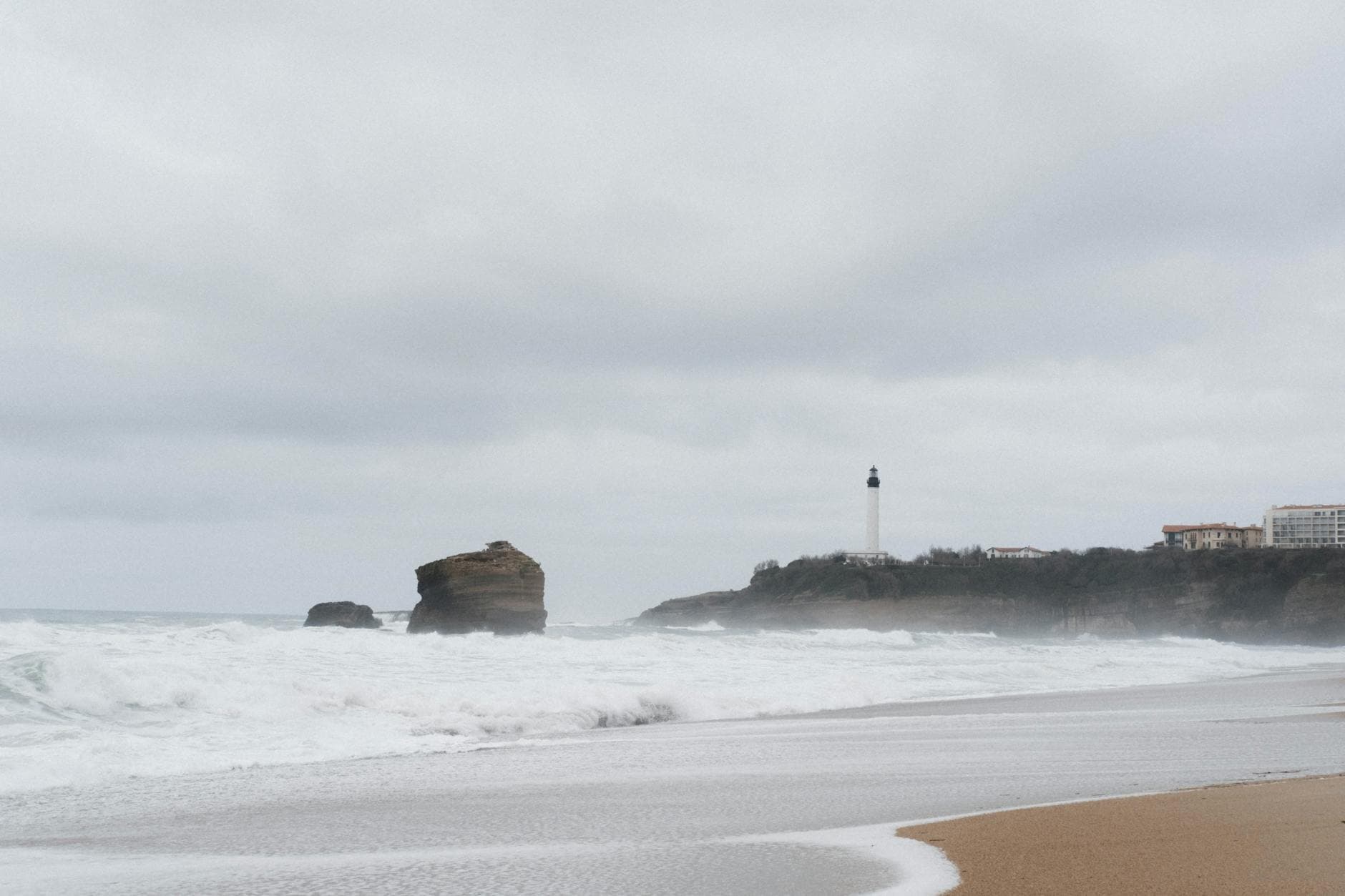
Chanel’s reset starts at the shore
Matthieu Blazy did not arrive at Chanel Cruise with nostalgia. He arrived with a thesis: Chanel ease should move again. In Biarritz, the French Basque resort where Gabrielle Chanel opened her first couture house in 1915, Blazy built his debut cruise collection around motion, practicality and the kind of effortless polish that looks better in real weather than under a spotlight.
That choice gave the show its charge. Chanel says the Biarritz house employed 300 workers and brought together the boutique, ateliers, salons and apartment in one place, a setup that quietly foreshadowed the Rue Cambon model in Paris. Showing Cruise 2026/27 there, on April 28, 2026, made the collection feel less like a destination presentation and more like a return to the brand’s original operating system.
Why Biarritz matters now
Biarritz is not just a scenic backdrop. It is where Chanel’s identity first fused couture with movement, sportswear and seaside life, and that connection is exactly what Blazy revived. The house framed the location as a tribute to where it all began, and Blazy said Biarritz was the only place he wanted to show his first cruise collection because it returned to Gabrielle Chanel’s “first step into clothes.”
That line matters because it reframes the entire collection. Instead of treating heritage as something fragile and ceremonial, Blazy treated it as a set of useful ideas: clothes for walking, clothes for travel, clothes for sun, wind and salt air. In other words, he made Chanel feel lived-in again, which is precisely the kind of shift that tends to migrate fastest from luxury runway to mainstream wardrobes.
The new Chanel dress code: movement first
The collection’s strongest signal was not a single trophy piece but the overall attitude. Workwear, leisurewear and swimwear all entered the frame, softened by raffia, silk foulard and canvas. Those materials are telling: raffia reads airy and tactile, silk foulard brings an easy drape, and soft canvas grounds the fantasy in something sturdier and more useful.
Chanel’s historical ties to sportswear, sailors’ uniforms and beach culture were threaded through the clothes with stripes, retro swimsuits, swimming caps and references to vintage beach umbrellas and Basque linens. That mix gives the collection a clear trend direction for the season ahead. Expect luxury brands and, inevitably, mass-market labels to lean harder into seaside utility, with polished swim separates, sailor stripes and fabrics that look refined without feeling precious.
The little black dress gets its sea legs back
Blazy opened with a little black dress that nodded to Chanel’s 1926 version, and that first look set the tone for the rest of the presentation. It was not a museum exercise. It was a reminder that the little black dress still works because it is adaptable, not because it is sacred.
One review also noted that Blazy reproduced a skirt from 1920s sketches and used designs based on Chanel motifs from 1929, which deepened the archival pull without turning the show into a costume drama. That balance is the real trick here. The collection made history feel wearable, and that is exactly how heritage keeps its commercial power. A skirt cut from old sketches or a dress informed by a 1926 attitude can still influence how women want to dress in 2026, especially when the styling suggests ease instead of formality.
What the show looked like, and why the setting mattered
The runway presentation featured 79 looks and was staged at the Art Deco seafront casino, transformed for the occasion. That venue sharpened the collection’s contrast between old-world glamour and actual seaside function. The casino’s sleek geometry played beautifully against the softer, more relaxed language of the clothes.
The guest list underscored the scale of the moment. Nicole Kidman, Tilda Swinton, A$AP Rocky and Sofia Coppola were among those reported at the show, a front row that signaled both old-guard star power and cultural relevance. Even the mythology around the event carried weight: Karl Lagerfeld had long wanted to stage a show in Biarritz but never did, which makes Blazy’s debut there feel symbolic, almost corrective. He did not just choose a beautiful place. He claimed a location that had hovered in Chanel lore for years.
What to wear from this Chanel mood now
If this collection lands the way it should, the pieces filtering out of it will be less about logo and more about lifestyle. The clearest takeaways are practical ones, which makes the show especially potent for readers who want their wardrobes to work harder.
- Soft tailoring that moves instead of clings
- Striped pieces that feel more coastal than costume-y
- Swimwear and cover-ups styled as daywear
- Raffia, canvas and other texture-rich materials that read relaxed but polished
- Little black dresses with an easier, less rigid line
- Nautical references that are subtle, not theme-party loud
Look for:
That is the true Chanel reset Blazy is offering. He is shifting the house away from stiffness and toward clothes that can cross the distance between beach, city and evening without losing their footing. In a market that has swung between quiet luxury and overt opulence, that kind of ease feels like the next useful thing.
Why this debut may matter beyond Chanel
Blazy’s first Cruise collection is not simply a tribute to Gabrielle Chanel’s beginnings. It is a blueprint for where heritage fashion is headed when it wants to feel modern again. The best pieces here are not the most archival-looking ones. They are the most convincing as clothes for actual life, whether that means a striped knit over a swimsuit, a canvas bag with shape, or a black dress that can survive more than one occasion.
That is why the Biarritz setting resonates so strongly. Chanel began there with 300 workers, a cluster of ateliers and a new way of dressing that moved with the body and the moment. More than a century later, Blazy has returned to that idea with a sharper eye and a broader audience in mind. The result is a Chanel that does not just remember the beach. It belongs there.
This article was produced by Prism’s automated news system from verified source data, official records, and press releases, then run through automated quality and moderation checks before publishing. The system is built and supervised by the people who set the standards it runs under. Read our full AI policy.
Did this article answer your question?


