Puma tops quarterly forecasts as inventory clear-out lifts demand outlook
Puma’s slimmer inventories and stronger-than-expected EBIT suggest everyday sneaker demand is still alive, even as shoppers lean on discounts and classic trainers.
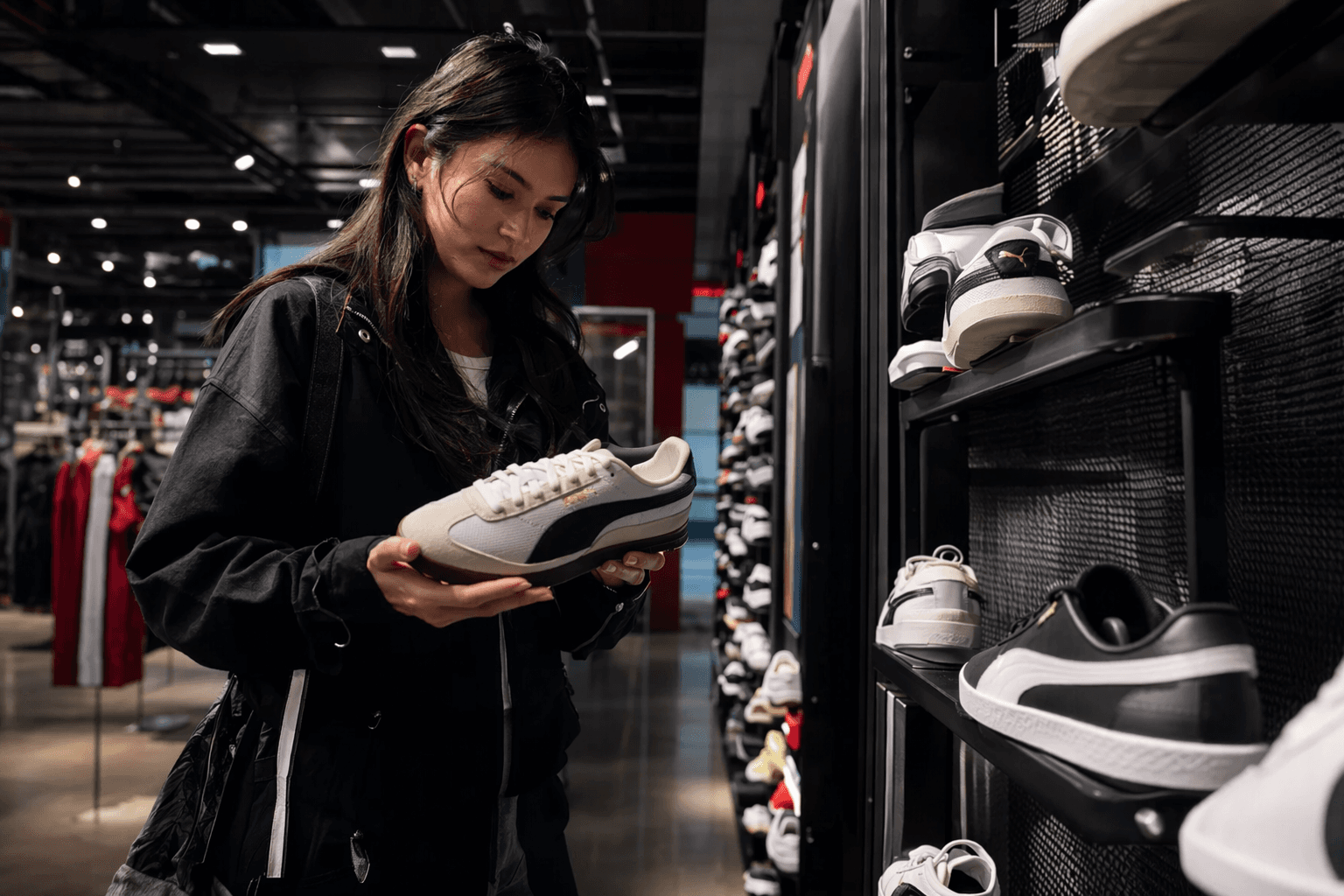
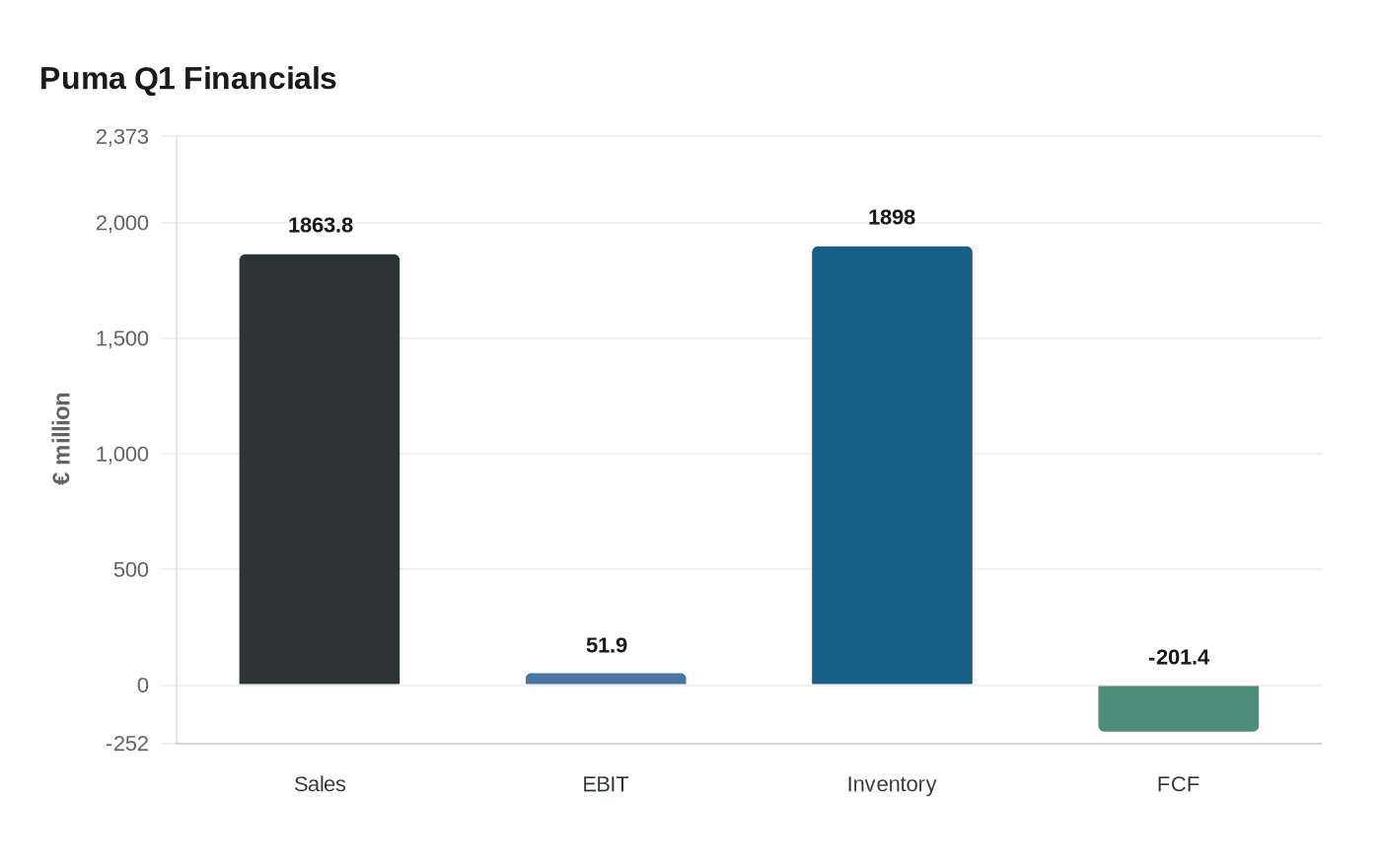
Puma’s quarter looked less like a glamour sprint than a disciplined clean-out, and that is exactly why it matters. The German sportswear maker said first-quarter sales came in at €1,863.8 million, down 1.0% currency-adjusted, while EBIT rose 19.6% to €51.9 million, beating the €43 million analysts had expected. For a market obsessed with whether sneaker demand is softening or simply reshuffling, that combination is the headline: Puma moved product, trimmed stock and still improved profitability.
The inventory picture is the clearest sign of what is moving on the shop floor. Inventories fell 8.6% to €1,898.0 million, and Puma said the clean-up was slightly ahead of plan, with inventories expected to normalize by the end of 2026. That matters beyond the balance sheet. In everyday fashion, the brands that can shift the unflashy staples, classic trainers, logo sweats and easy athleisure, without relying on endless discounting, are the ones proving the strongest hold on shoppers. The brands that overplayed trend-driven pairs or leaned too hard on post-pandemic athleisure excess are the ones still trying to find their footing.
Puma’s gross margin improved by 60 basis points to 47.7%, another sign that the company is getting a better grip on what it sells and how. Free cash flow also improved sharply, narrowing to €-201.4 million from €-737.6 million a year earlier. That does not read like a victory lap, but it does point to a business that is no longer leaking as fast while it clears the shelves.
Management is still treating 2026 as a transition year. Puma confirmed its full-year outlook, saying currency-adjusted sales are expected to decline in the low- to mid-single-digit percentage range and EBIT is expected to land between €-50 million and €-150 million. In other words, the reset is not over. The near-term fashion read is that shoppers are still willing to buy into the sneaker category, but they are choosing familiar shapes over novelty and demanding better value when prices soften.
The leadership change adds another layer to the turnaround. Mark Langer, 57, will join Puma’s Management Board and take over as chief financial officer on May 1, 2026, succeeding Markus Neubrand. Langer most recently served as CFO at Douglas AG and spent more than 17 years at Hugo Boss, including a run as chief executive from 2016 to 2020 and CFO from 2010 to 2017. Puma has spent years trying to sharpen its distribution, lower costs and tighten cash management. This quarter suggests that the housecleaning is finally starting to show up where it counts: in the numbers, and in the kind of sneakers shoppers are still reaching for.
This article was produced by Prism’s automated news system from verified source data, official records, and press releases, then run through automated quality and moderation checks before publishing. The system is built and supervised by the people who set the standards it runs under. Read our full AI policy.
Did this article answer your question?


