Next Warns Middle East Conflict Could Push Prices Higher for Shoppers
Next warns shoppers of potential price hikes up to 10% if the Middle East conflict extends into autumn, as the retailer absorbs £15m in fuel and air freight costs.
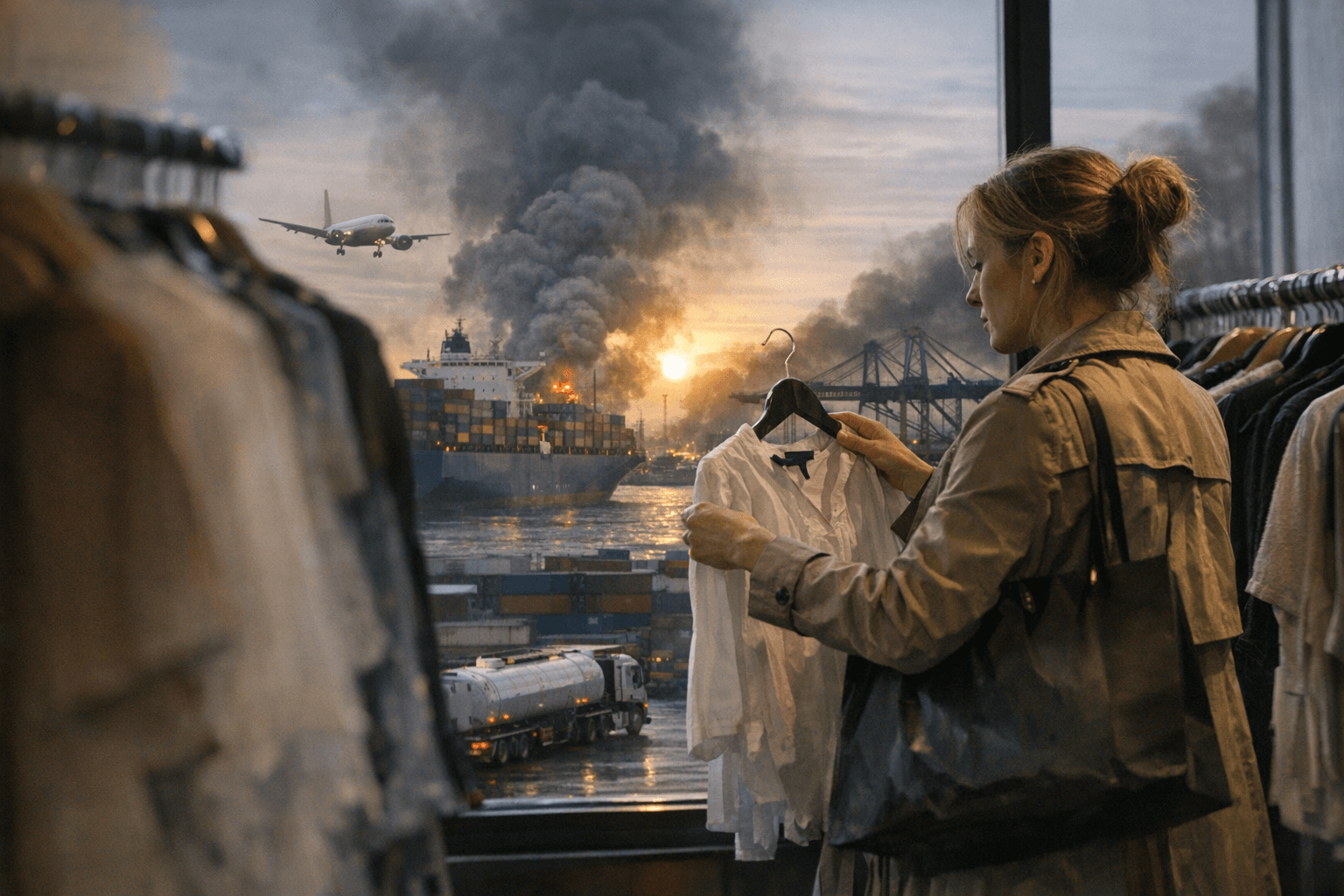
The price tags on your next Next haul could soon look different. The high street chain revealed a £15 million cost hit from the Iran conflict, driven by additional fuel and air freight bills caused by shipping disruption and soaring oil prices, though it said the impact so far can be offset by savings elsewhere in the business.
Chief executive Lord Simon Wolfson told the Press Association he is currently working on the basis that disruption from the war lasts for three months, but stressed if the conflict is more prolonged, "the likelihood is that we are going to see price increases and suppressed demand." He said it could increase UK prices by less than 2% in the summer if the war continues and costs remain at current levels, but cautioned that in the event of a longer-lasting war and steep manufacturing and shipping costs, Next may be forced to push through price hikes of between 5% to 10% from the autumn.
Lord Wolfson said: "As yet, we have no feel for the medium-term effects on supply chain resilience, freight rates, factory gate prices and consumer demand. Much will depend on how long the conflict persists, and how much permanent damage is done to the world's energy infrastructure."
The conflict is already seeing sales fall sharply across the Middle East, a region which accounts for around 6% of Next's annual sales, and is likely to impact costs, selling prices and consumer demand across the wider group. The company cut its guidance for international turnover to 14.3% for the current financial year, down from 16.5% previously forecast.
Despite the headwinds, the numbers elsewhere held firm. Next reported better-than-expected annual profits, up 14.5% at £1.16 billion on a pro forma 52-week basis, and raised its earnings outlook for the year ahead to £1.21 billion, though that forecast is contingent on the Iran conflict concluding before the summer. The profit uplift of £8 million over its previous forecast was thanks to better-than-expected full price sales in January and an improved end-of-season clearance.
To buffer against supply chain delays, Next increased its stockholding by 6%, a move partly tied to the development of its warehouse network. Overseas sales were boosted by strong performance via third-party websites such as Zalando and from newly acquired brands including Cath Kidston, which also helped offset softness in the conflict-affected region. Next also owns Reiss and Russell & Bromley.
Next is facing a potential manufacturing cost crunch, with worries that higher oil and energy prices will make materials significantly more expensive. That concern resonates well beyond Next's own balance sheet. Daniel Ervér, the chief executive of H&M, told Reuters that "a continued conflict, such as with continued high energy prices, will create inflationary pressure on a consumer who already has tough inflationary pressure."
Chris Beauchamp, chief market analyst at IG, put it plainly: Next's figures "contain a hint that the rise in fuel costs is bound to extend beyond increases at the pumps," with the possibility of price rises growing the longer the conflict persists.
Led by Wolfson, Next has a habit of setting forecasts it subsequently raises, doing so five times for its last fiscal year. That track record of disciplined guidance management makes the current warning all the more notable: when Next flags a price risk, it tends to mean it.
Know something we missed? Have a correction or additional information?
Submit a Tip