Nordstrom's Revenue Hits Pre-Pandemic Highs After Going Private
Nordstrom's revenue climbed to $15.8 billion, matching its 2019 pre-pandemic peak less than a year after the family and El Puerto de Liverpool took the retailer private.
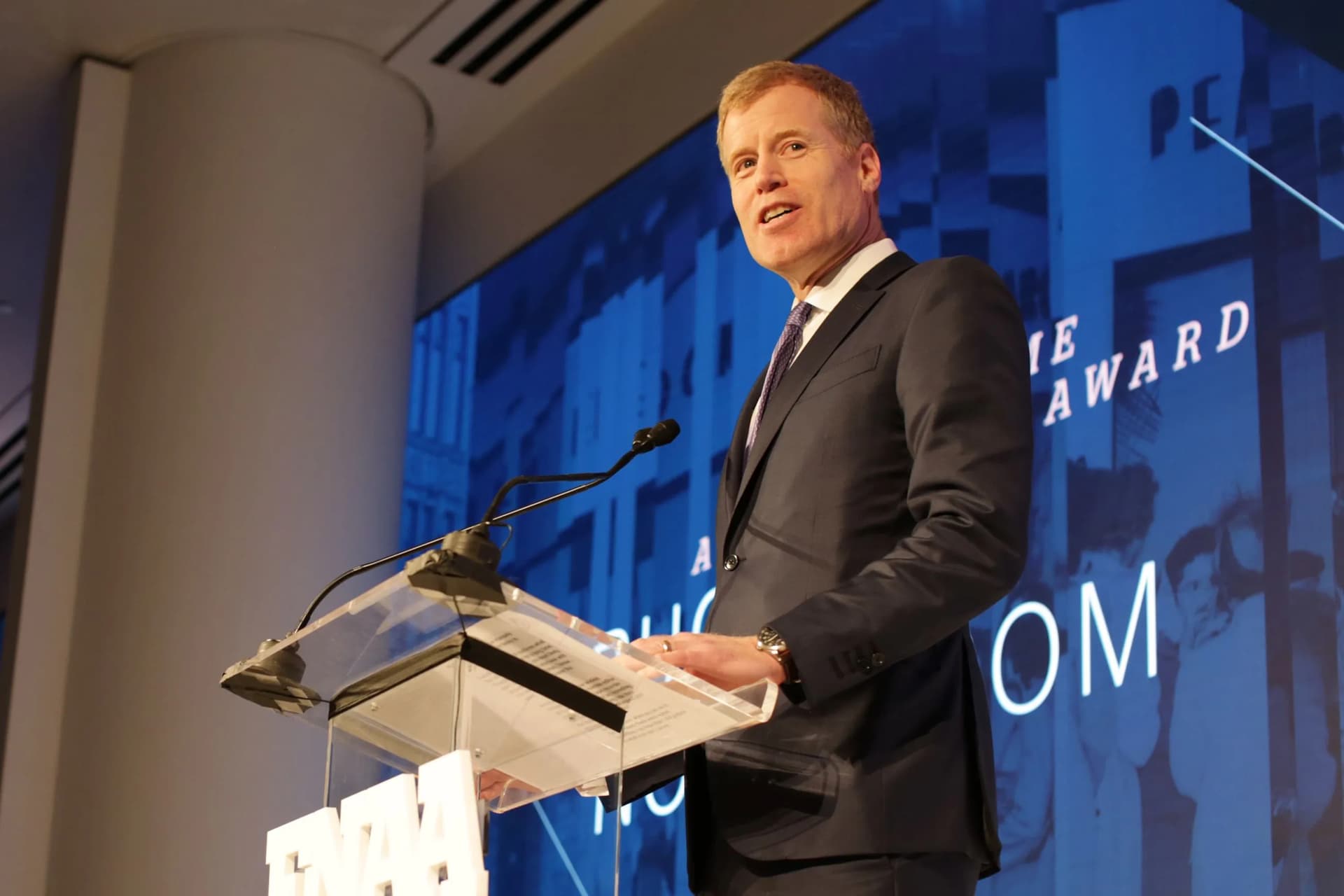
Going private turned out to be the reset Nordstrom needed. Less than a year after the Nordstrom family and Mexico's El Puerto de Liverpool completed their buyout of the century-old department store chain, the retailer posted annual revenue of approximately $15.8 billion, effectively erasing the ground lost during the pandemic years and returning the business to its 2019 peak.
The recovery is measurable and specific. Pro-forma operating profit, measured as EBIT, climbed to roughly $799 million. Revenue in the three months ended January 31 rose approximately 7% to $4.6 billion, a quarterly performance that underscores the momentum built since the ownership transition closed.

What changed under private ownership? The short answer is operational freedom. Freed from the quarterly earnings cycle and the short-termism that public markets demand, Nordstrom reengineered its operations with the kind of patience that Wall Street rarely affords a legacy retailer. The structural shift gave leadership room to make longer-horizon decisions without fielding analyst pressure every 90 days.
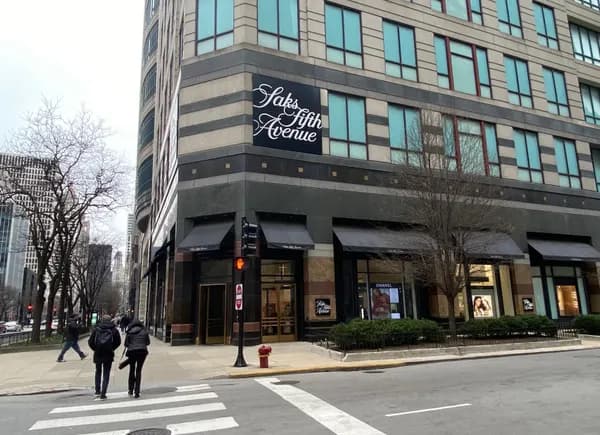
External forces accelerated the turnaround. The bankruptcy of Saks Global and other competitors created a vacuum in the department store landscape that Nordstrom, still standing and now leaner, was positioned to fill. Displaced shoppers don't simply stop shopping; they migrate, and Nordstrom appears to have captured a meaningful portion of that shift.

The $15.8 billion figure carries weight beyond its digits. Department stores have spent years absorbing structural decline, the relentless pressure of e-commerce, and the long financial shadow of the pandemic. Nordstrom's return to pre-2020 revenue levels is the clearest evidence yet that the department store format isn't a relic waiting to be written off; it is a model that can recover, provided ownership structures allow for genuine reinvention rather than quarterly crisis management. Other legacy retailers in similar positions will be watching closely.
Know something we missed? Have a correction or additional information?
Submit a Tip