Primark raises circular design standard, adds tougher durability rules
Primark says 5% of its clothing units were circular by design, but the real test is whether its new Progressive tier changes what hits stores. Jersey and denim are already leading.
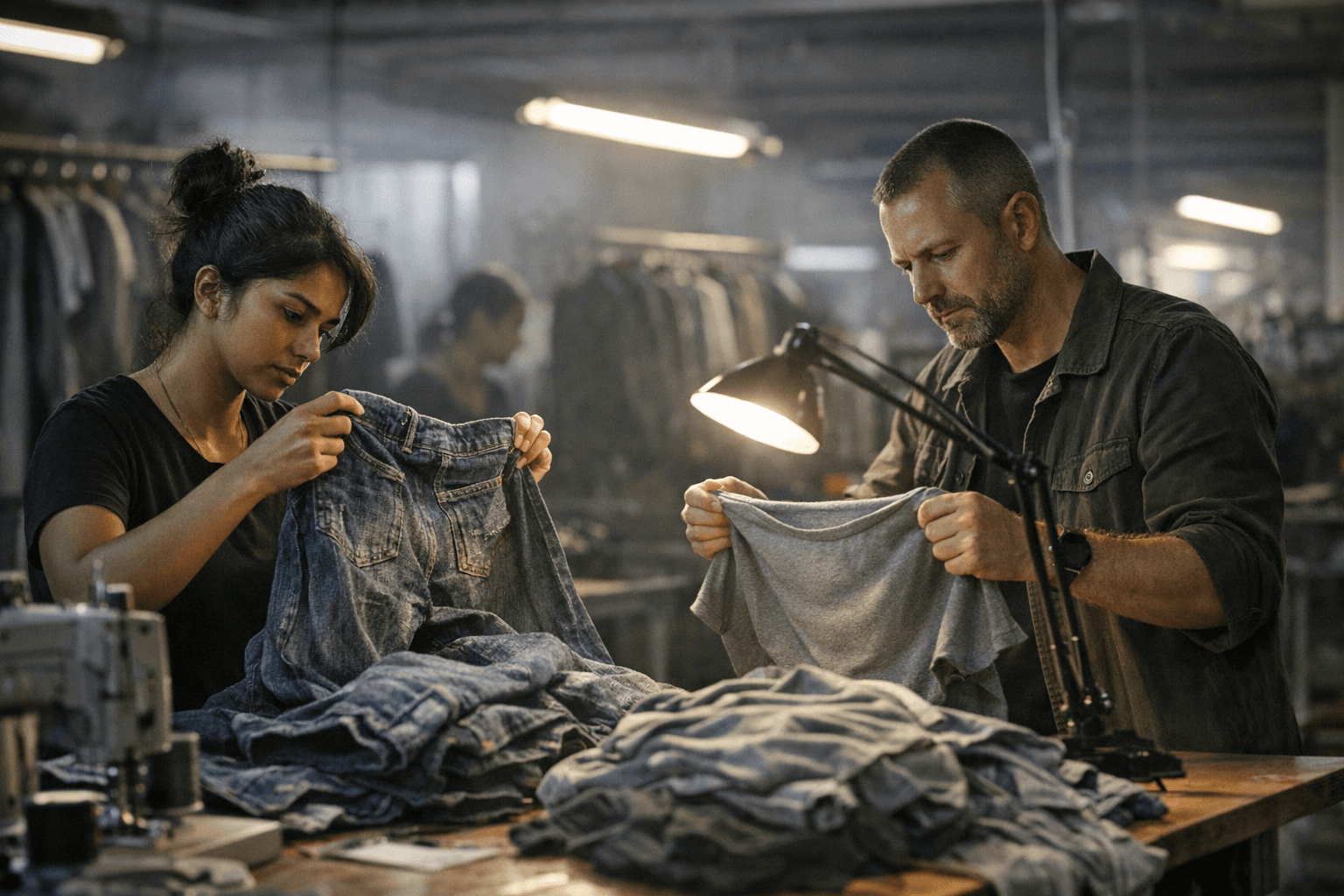
Primark has raised the bar on circular design, but the number that matters is still small: 5% of all clothing units sold in FY24/25 were circular by design. That is the sharpest read on the brand’s new Circular Product Standard 2.0, which adds a tougher “Progressive” tier and stricter rules around durability and recyclability.
The update matters because Primark is trying to turn circularity from a side project into a system. The company says the standard now defines circular design through three pillars, durability, materials and recyclability, and that the framework has been simplified so product teams can actually use it at scale. That is the right move. A sustainability rule nobody can follow in a fast-moving high-street business is just nice branding.
Primark says the guidelines now cover nine product areas: denim, jersey, knitwear, nightwear, shirts, skirts, blouses, dresses and leisurewear. The current spread tells you where the brand has real traction. Jersey accounted for 20% of units, denim for 8%, and both sat at the standard’s lower “Foundational” level. That is progress, but it is still a far cry from the sort of breadth that would change the average Primark haul.
The company first launched its Circular Product Standard in 2023, building on ideas inspired by the Ellen MacArthur Foundation and input from WRAP, Circle Economy and the Sustainable Fashion Academy. Primark’s partnership with the Ellen MacArthur Foundation began in 2018 through the Make Fashion Circular initiative, and it became a Network Partner in 2021. That history gives the program credibility. It also shows how long Primark has been circling the same goal: make circular design feel normal, not niche.
There are signs the machinery is improving. Primark says 74% of its clothes now contain recycled or more sustainably sourced fibres, up from 66% the year before, and all clothing, textile and footwear suppliers are now onboarded to its traceability programme. It also launched a 35-piece circular collection in 2024 designed to be reloved or recycled, a useful test run that hinted at where this is headed.
The blunt question is whether CPS 2.0 changes what shoppers buy, wear and discard, or mainly sharpens Primark’s sustainability language. To scale beyond a pilot, the Progressive tier would need to move from policy document to floor space, showing up across far more than jersey and denim, with clothes that last longer, break down less and still hit Primark’s price point. Until then, the standard is a real step, just not yet a full wardrobe shift.
This article was produced by Prism’s automated news system from verified source data, official records, and press releases, then run through automated quality and moderation checks before publishing. The system is built and supervised by the people who set the standards it runs under. Read our full AI policy.
Did this article answer your question?


