Uganda emerges as East Africa’s next fashion frontier for global brands
Uganda’s young, import-heavy market is finally catching global fashion attention, with the sharpest opportunity in accessible sportswear, sneakers and everyday basics.
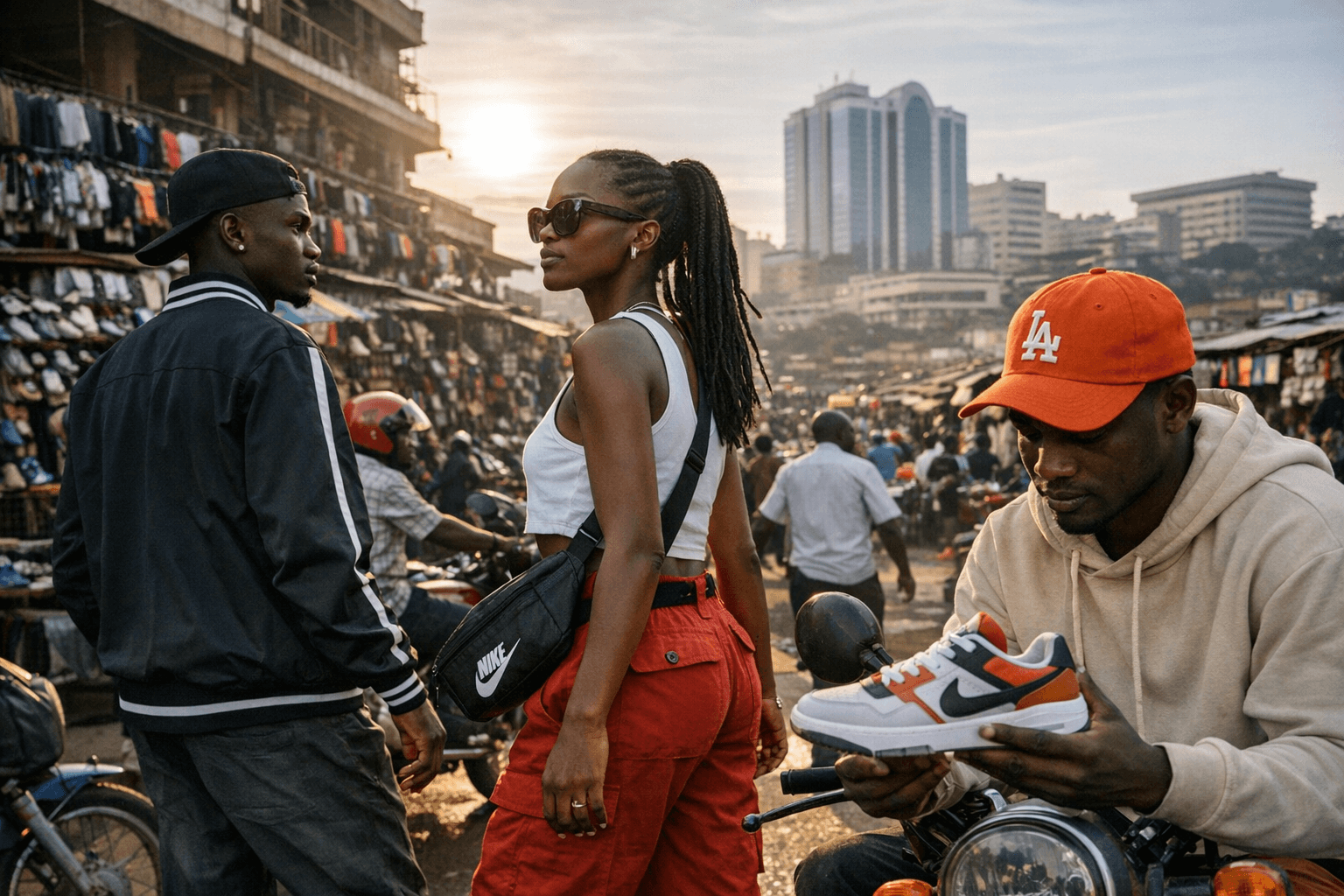
Uganda is moving from “promising” to profitable
Uganda is starting to look less like a blank space on the fashion map and more like East Africa’s next serious consumer market. Adidas and Puma are already gaining ground, and that matters because the real story is not just brand presence, but where demand is heading: toward a young, style-conscious audience with a growing middle class and a clear appetite for recognizable labels that feel aspirational without feeling out of reach.
The scale is hard to ignore. Uganda’s population reached 50,015,092 in 2024, with GDP at $53.91 billion and GDP per capita at $1,077.9. Add a consumer base that is still very young, with 44% of the population aged 0 to 14, and you get a market that is early in its fashion lifecycle but too large to treat casually. This is the kind of place where a brand can still shape habits, not just chase them.
Why global brands are paying attention now
The first thing to understand about Uganda is that fashion demand is being built from the bottom up, not only from luxury signaling at the top. The Business of Fashion has pointed to a rapidly growing middle class and style-conscious youth as the force behind the market’s momentum, and that combination tends to favor brands that offer strong identity at accessible prices. In practical terms, that means sportswear, logo-led basics, and shoes with visible brand equity have an edge long before high-fashion runway pieces do.
The second factor is growth. The World Bank projects Uganda’s economy will expand by 6.2% in FY25, with agriculture and services doing the heavy lifting. It also expects growth to accelerate to 10.4% in FY27 as oil production ramps up. For fashion, that matters because income growth, urban spending and more visible consumer ambition usually arrive together, and brands that establish themselves before that curve steepens often end up owning the first wave of loyalty.
The brands that are best placed to win first
Uganda’s market is not wide open, but it is still flexible enough for new entrants, especially from Asia, to make a strong case. Trade data from the World Bank show that in 2023 Uganda’s top textile and clothing import partners included China, India, Kenya, the United States and Vietnam. That import mix tells you plenty: the market is already comfortable with international sourcing, and the competition is not coming from one region alone.
Uganda Bureau of Statistics data sharpen the picture further. In September 2023, China and India were the leading countries of origin for Uganda’s imports overall, with imports from China valued at US$227.8 million and imports from India at US$105.0 million. That is a strong signal for fashion brands that sit in the sweet spot between affordability and recognizable design. If a label wants to gain traction fast, it needs to be visible, dependable and priced for repeat purchase, not just occasion wear.
What is most likely to sell first
- Athletic and athleisure wear: T-shirts, tracksuits, training sets and branded basics are the safest entry point. Adidas and Puma’s momentum shows that sportswear already has cultural weight.
- Sneakers and casual footwear: Shoes are often the first place consumers trade up, especially when a logo signals status and durability at once.
- Everyday essentials: Denim, knit polos, cotton shirts and easy layering pieces should outperform highly directional fashion.
- Mid-priced accessories: Caps, bags and small leather goods can help brands build reach without asking the shopper to commit to a full wardrobe shift.
What probably won’t scale as quickly are highly experimental silhouettes, overly expensive fashion statements and niche runway-driven categories. In a market still expanding its middle, clarity sells better than provocation.
The digital picture is small, but that is not a weakness
Uganda’s internet use was just 9% in 2024, which sounds limiting until you read it as a marker of how much room remains to grow. The fashion opportunity is not only online, but digital adoption will shape how trends spread, how brands build awareness and how shoppers compare products. For now, the market rewards brands that show up where people already gather, whether that is retail, campus culture or event-driven fashion moments.
That low digital penetration also means early brand wins may depend less on hyper-targeted e-commerce and more on physical presence, trusted distribution and visible price points. In markets like this, the first store, the first campus activation and the first well-placed sneaker wall can matter more than a perfectly polished social campaign.
Kampala’s fashion scene is becoming visible
The local industry is not waiting for outsiders to define it. Uganda International Fashion Week is scheduled for June 22 to 27, 2026 at the Kampala Serena Hotel, a sign that the city is building its own fashion calendar instead of borrowing one from elsewhere. A recent casting call at Makerere University drew hundreds of aspiring models, which says as much about ambition as it does about the appetite for style careers, pageantry and visibility.
That matters because markets rarely mature on imports alone. A strong fashion scene needs creators, talent pipelines and public-facing events that make clothing feel cultural, not merely transactional. Uganda is starting to build that ecosystem, and when a market has both consumers and creative infrastructure, global brands usually arrive faster and stay longer.
Why this is bigger than shopping
Fashion may be the front door, but the economic stakes go well beyond wardrobes. The International Labour Organization says textiles and clothing provide jobs to more than 90 million people globally, which is a reminder that a stronger apparel sector can shape employment, manufacturing and trade relationships all at once. In Uganda, where the market is still forming, fashion has the chance to grow as a consumer story and an industrial one.
That is what makes the moment so interesting. Uganda is not just “untapped.” It is young enough to be shaped, large enough to matter and connected enough for international brands to compete early. The companies that win first will be the ones that understand the market’s real appetite: sharp value, visible quality and products people can wear every day, not only admire from a distance.
This article was produced by Prism’s automated news system from verified source data, official records, and press releases, then run through automated quality and moderation checks before publishing. The system is built and supervised by the people who set the standards it runs under. Read our full AI policy.
Did this article answer your question?


