Repair First, Buy Less: How to Build a Smarter, Sustainable Wardrobe
Only 21% of US consumers repair their clothes — but repairing one cotton t-shirt instead of buying new saves over 7.5kg of CO₂. Here's how to start.
The fashion industry produces 92 million tonnes of textile waste every year. Fast fashion now churns out more than 100 billion garments a year, with roughly 73% of textile waste landfilled or incinerated. And yet, despite this scale of destruction, only 21% of US consumers attempt to repair their clothing to extend its life. That gap — between what we know and what we actually do with a loose button or a fraying hem — is where the most powerful wardrobe decision you can make lives.
A repair-first wardrobe is not a sacrifice. It is a strategy: one that reduces cost, cuts waste, and eases the demand pressure bearing down on global supply chains. Here is how to build one, step by step.
Start With What You Already Own
Before you spend a single dollar on something "more sustainable," look at what is already hanging in your closet. Building a sustainable wardrobe starts with a comprehensive assessment of your current clothing collection — asking yourself whether you wear each item regularly, whether it is versatile enough to create multiple outfits, and what condition the garment is actually in.
Carefully analyze each piece in terms of condition, fit, and trend, then separate them into three piles: keep, resell, donate. Set aside the last two piles and go over the clothes you want to keep once again, checking labels for materials and prioritizing pieces made from natural fabrics like linen or organic cotton.
This audit does something more than tidy your wardrobe. It helps identify items that align with your sustainability goals while encouraging a deeper understanding of your purchasing patterns and fashion habits. You may also find that the most sustainable garment is one you already own.
Learn the Micro-Repairs That Change Everything
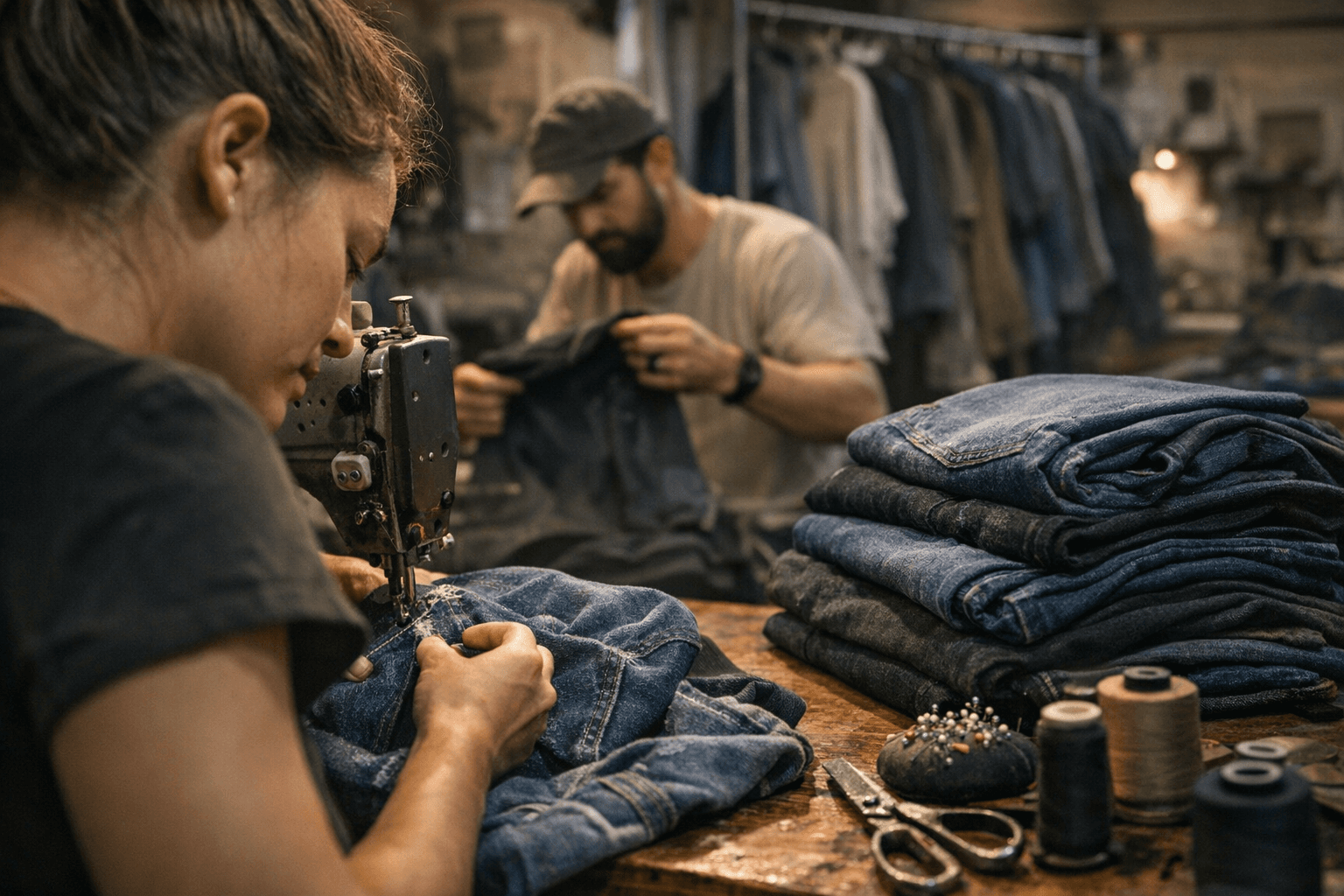
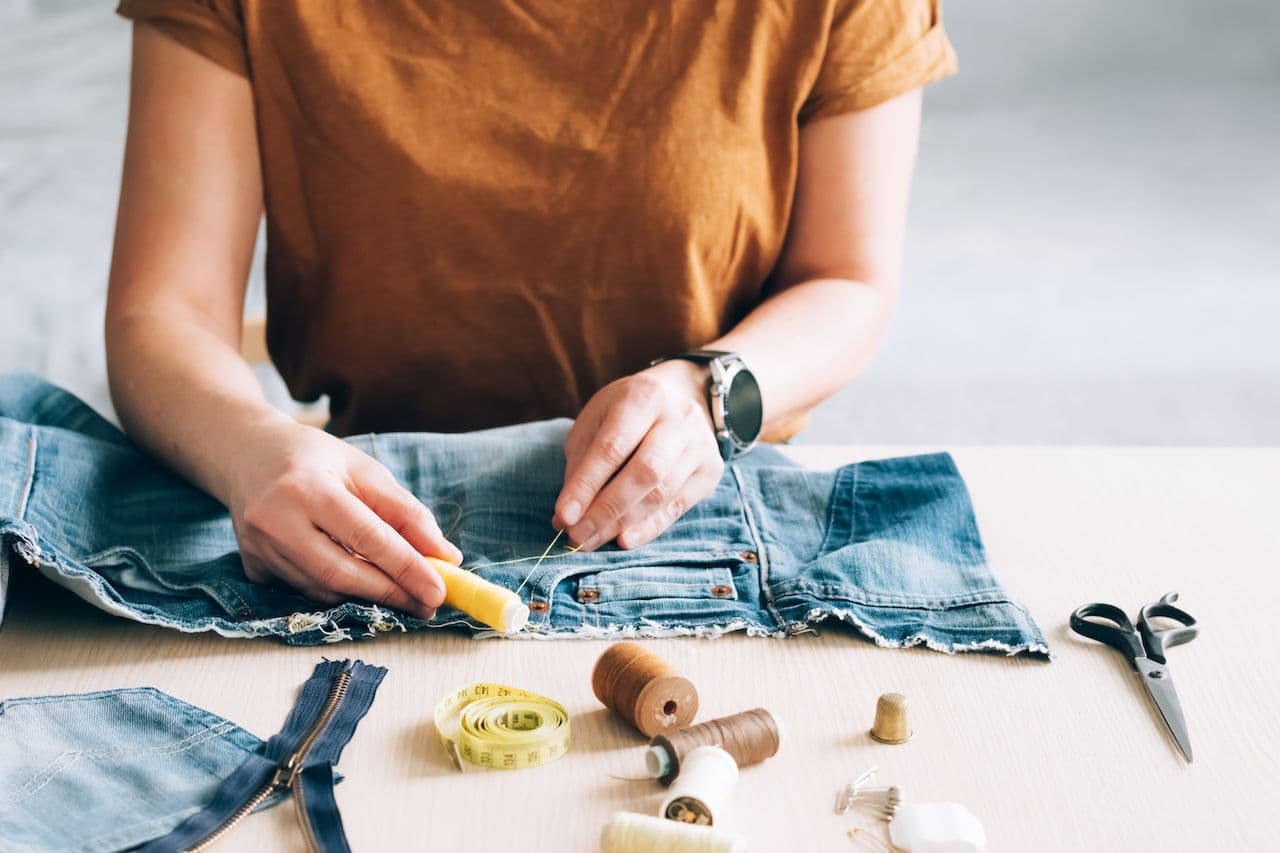
Learning basic sewing skills is the first step towards sustainable fashion repairs. Start with simple techniques such as sewing on a button or fixing a loose hem — these small repairs can significantly prolong the life of your clothes and save you money in the long run. The environmental math is equally compelling: repairing one cotton t-shirt instead of buying a brand-new one could save over 7.5kg CO2e, equivalent to ironing for 25 hours.
The tools required are modest. Consider investing in a small sewing kit that includes needles, threads, scissors, and a measuring tape. Beyond that, there are numerous online tutorials and workshops available to help you get started with these essential skills. For anything beyond your confidence level, learning how to repair the clothes you want to keep is an important step — instead of purchasing a new piece every time a zipper on your favorite jacket breaks, take it to a tailor and have it fixed.
The displacement effect of repair is significant. A WRAP report found that for every 5 items repaired, 4 displace a new purchase, a displacement rate of 82.2%. That is not a marginal impact. That is structural change driven by a needle and thread.
Invest Once, Invest Well
A repair-first mindset pairs naturally with a quality-first buying philosophy. Choosing quality over quantity matters because one well-made item outlasts five cheap alternatives. The fast fashion model operates on the opposite logic: fast fashion brands like Zara, Shein, and H&M are built on mass-producing trendy, inexpensive clothing in record time, with ultra-fast brands like Shein and Temu churning out new designs in as little as a week — clothes made to fall apart quickly, encouraging constant consumption and waste.
When you do buy new, prioritize staples over statements. One of the simplest ways to build a conscious wardrobe is by investing in a few high-quality pieces — a well-chosen handbag, a high-quality coat, or luxurious knitwear will pay dividends in the long run. Look for classic, versatile pieces that can carry you through hundreds of outfit dilemmas and multiple trend cycles, because by choosing pieces you can wear for years to come, you'll not only be helping the planet but your pockets too.
As clothing production has doubled, the number of times each item is worn or used has dropped by approximately 40 percent — which means the antidote to fashion waste is not necessarily buying less of everything, but wearing what you have far more often.
Care for Your Clothes Like They Matter
Garment care is where most wardrobes quietly fail. Proper washing and storage habits extend the life of fabric before it ever needs a repair. Always wash clothes in cold water to save energy and prevent shrinkage or fading; when possible, air-drying is the best option for preserving fabric integrity, and if you must use a dryer, opt for a low heat setting and remove items while they are still slightly damp.
Storage matters just as much as washing. Use padded hangers for delicate items and store heavier garments like sweaters folded to avoid stretching. Consider using breathable garment bags for seasonal clothing to protect them from dust and pests.
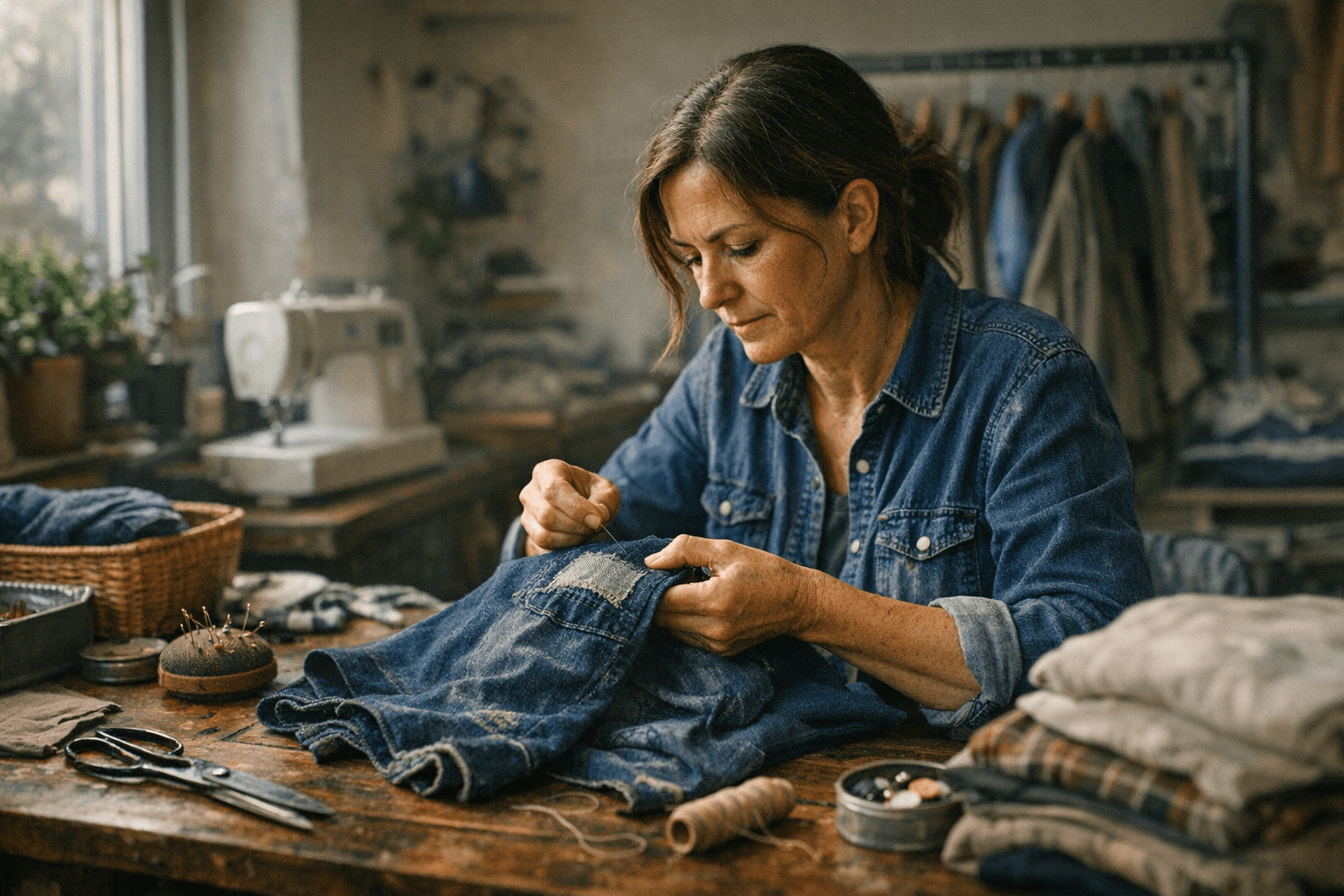
Regularly inspect your wardrobe for signs of wear and address any issues promptly. By maintaining a routine of care and repair, you can significantly extend the lifespan of your clothing. A small snag caught early costs thirty seconds. Left alone, it becomes a garment heading to landfill.
Repair as Creative Act: Upcycling and Personalization
Repairing your clothes offers a unique opportunity for creativity. Upcycling is a popular trend in sustainable fashion, allowing you to transform old pieces into something new and exciting — adding patches, embroidery, or fabric paint are just a few ways to personalize your repaired garments.
Embracing DIY clothing care means that small fixes such as replacing buttons, patching up holes, or dyeing faded items can enhance the longevity of your wardrobe while adding a personal touch. Some brands have recognized that repair is not a fringe activity. Brands like Patagonia, through its "Worn Wear" program, and Eileen Fisher, through its "Renew" and "Waste No More" initiatives, are extending the lifecycle of garments through repair, resale, and repurposing. Seek out brands that build this thinking into their model from the start, rather than retrofitting it as a marketing gesture.
When Buying is Necessary: The Secondhand First Rule
Using, repairing, or adapting what you already have; borrowing items; buying vintage or secondhand; or leasing from sustainable rental companies can all provide a low-impact alternative to purchasing new products. Platforms like ThredUp, Depop, and Poshmark make secondhand accessible and searchable. Buying a second-hand pair of jeans online instead of buying a brand-new pair could save over 30kg CO2e, equivalent to making 600 cups of tea.
If you are shopping new, ask yourself whether the item truly fits you, functions in your wardrobe, and will last — then evaluate the quality and seek information about production processes and sustainability policies. Certifications like Fair Trade, Global Organic Textile Standard (GOTS), or Blue Sign act as indicators of a brand's commitment to ethical practices. Watch, too, for greenwashing: some big-name brands have caught onto the eco-conscious movement, but not all of them are as sustainable as they claim to be — greenwashing is when companies falsely market their products as environmentally friendly without real proof.
The Mindset Shift That Makes It All Work
Shifting our perspectives on consumption is the first step toward cultivating a sustainable wardrobe. Rather than viewing clothing as disposable items, we should see them as investments in our personal style and the environment — a change in mindset that encourages us to buy less and choose wisely, prioritizing quality over quantity.
Today, we find ourselves buying 60% more clothing than before, only to discard each item after wearing it 50% as often. The arithmetic of that behavior is unsustainable at any income level. The repair-first approach flips it: fewer purchases, more intention, and a wardrobe that accumulates meaning rather than clutter. The two simplest ways to participate in sustainable fashion are to buy less and to ask questions — and those two things, practiced consistently, carry more weight than any single "eco" label on a hangtag.
Know something we missed? Have a correction or additional information?
Submit a Tip