Who Gets the Refund? Brands & Consumers Collide Over Tariffs Windfall
The Supreme Court struck down $166 billion in tariffs, but refunds flow to brands, not the shoppers who paid higher prices at checkout.
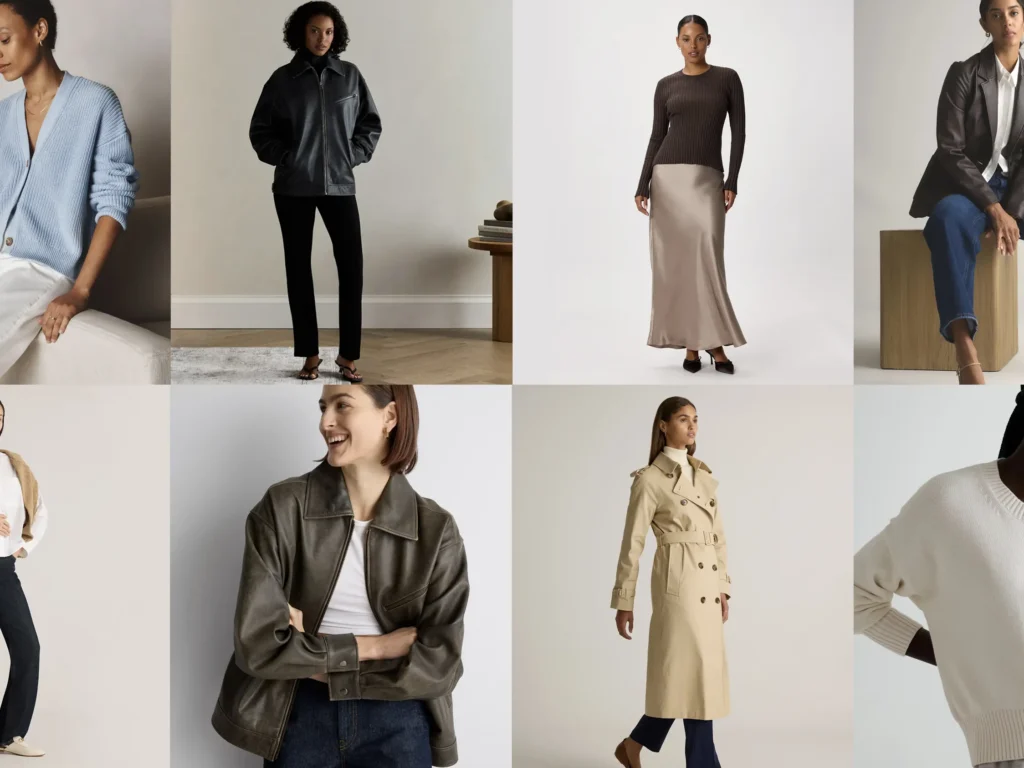
The tariffs were unlawful. The Supreme Court said so. So why isn't your Lululemon leggings price dropping?
That is the $175 billion question now tearing through the fashion industry. When Chief Justice John Roberts authored the Court's 6-3 ruling in Learning Resources, Inc. v. Trump on February 20, 2026, holding that the International Emergency Economic Powers Act does not authorize the president to impose tariffs, he effectively declared that every dollar collected under those duties was collected without legal authority. But in trade law, the word "refund" has a very specific meaning, and it does not necessarily include you.
Under U.S. customs law, refunds flow to the importer of record: the brand, manufacturer, or logistics intermediary that physically cleared goods through customs. U.S. Customs and Border Protection's own court filings report that more than 330,000 such importers paid approximately $166 billion in IEEPA tariffs across 53 million individual entries. The Penn Wharton Budget Model projects total refunds, including interest, could exceed $175 billion. That is a staggering windfall sitting at the intersection of trade law and corporate strategy, and almost none of it is automatically directed to consumers who absorbed higher prices at checkout.
This is the structural asymmetry that now has plaintiffs' firms circling. A proposed class action filed March 27, 2026 against Lululemon USA Inc. in the U.S. District Court for the Eastern District of Michigan alleges the company passed tariff costs on to consumers who now have no direct recourse through CBP and no automatic mechanism to receive any portion of the refund Lululemon may collect. For retail shoppers, consumer class actions represent the only viable avenue for compensation.
The margin math is uncomfortably clear. If a brand raised prices citing tariff costs, then collects a refund on those same tariffs, it has potentially recovered the duty twice: once from customers and once from the government. Legal analysts at Morgan Lewis have flagged this as a double-recovery risk, warning that retailers face disclosure and litigation exposure over how they characterized price increases to consumers.
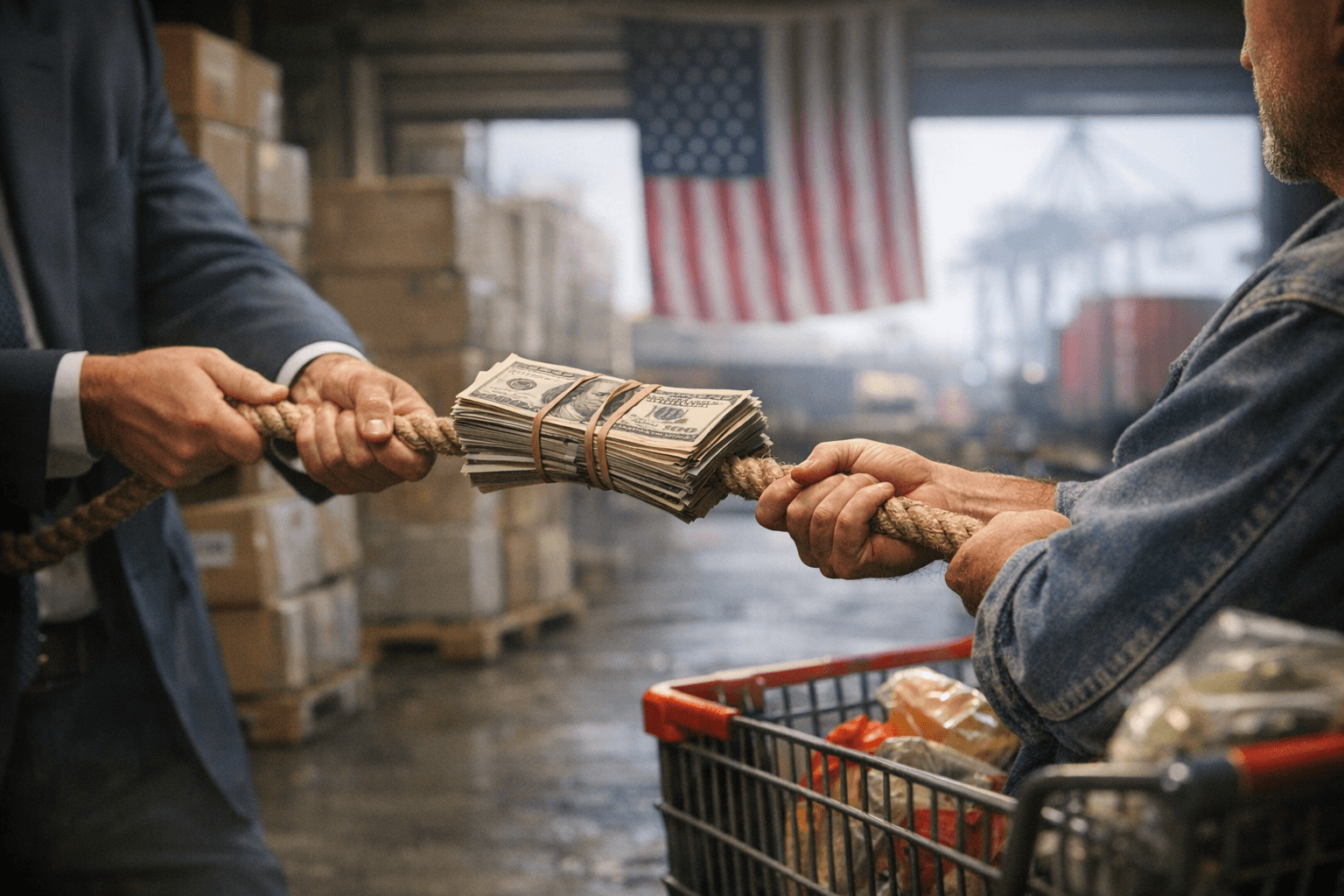
The refund process itself remains far from complete. CBP is developing a new module within its Automated Commercial Environment called CAPE, short for Consolidated Administration and Processing of Entries, a four-stage system covering claim submission, mass processing, review and liquidation, and the actual refund disbursement. As of the latest court filings, the mass processing component is only 25% complete; the refund component sits at 63%. Phase 1 covers unliquidated entries and those liquidated within the preceding 80 days. More than 2,000 cases have been filed since the February ruling, and refunds are not automatic. Brands must pursue claims individually or rely on the reliquidation orders issued March 4, 2026 by CIT Judge Richard K. Eaton.
Not every apparel brand qualifies. Textile and apparel goods entered duty-free under CAFTA-DR from countries including Costa Rica, El Salvador, Guatemala, Honduras, the Dominican Republic, and Nicaragua are not eligible for IEEPA refunds. Neither are duties paid under Section 301 against Chinese imports or Section 232 steel and aluminum tariffs, a significant carve-out for brands with China-heavy supply chains.
The sustainable pricing narrative that fashion brands deployed to justify markups throughout 2025 is now being examined from a very different angle. Companies that leaned publicly on tariff rhetoric to defend price increases will face hard questions in 2026 about whether transparency, at the product level, at the receipt level, demands something in return when a nine-figure windfall arrives from Washington.
This article was produced by Prism’s automated news system from verified source data, official records, and press releases, then run through automated quality and moderation checks before publishing. The system is built and supervised by the people who set the standards it runs under. Read our full AI policy.
Did this article answer your question?


