LVMH to Kering Defy Luxury Slowdown With More Stores in Europe
Luxury's European expansion defied gravity in 2025: 96 new store openings, a 13% rise, even as LVMH missed targets and Gucci posted a 10% sales drop.
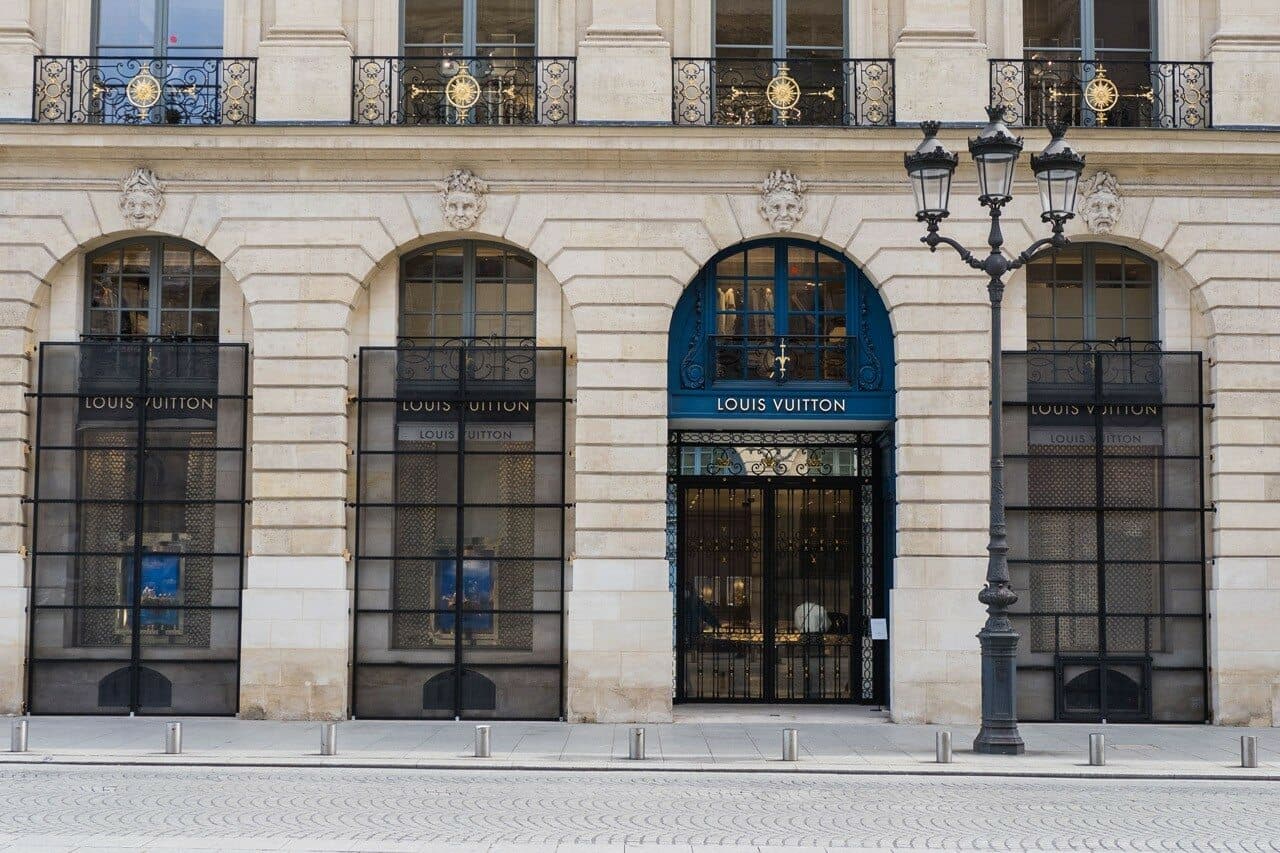
The earnings releases told one story. The lease agreements told another. Despite LVMH reporting poor Christmas sales and Gucci posting a 10% revenue decline in Q4 2025, Europe's prime luxury retail streets logged 96 new store openings last year, a 13% increase from 2024, according to data compiled by global real estate broker Cushman & Wakefield.
The three largest luxury conglomerates, LVMH, Kering and Richemont, accounted for nearly one-third of those openings. LVMH was the most active, adding doors for brands including Louis Vuitton and Dior, even as CEO Bernard Arnault told investors in January that the group would limit expenditures after three of its five divisions missed Q4 2025 estimates. Kering followed with two new Saint Laurent locations and two new Bottega Veneta stores, even as Gucci absorbed that 10% quarterly sales drop, which was, notably, the brand's smallest decline in two years. Richemont, owner of Cartier and Montblanc, pulled back from the aggressive expansion of the prior two years.
Paris was the year's standout market, accounting for just over one-fifth of all European openings after a subdued 2024, when hosting the Olympics quieted the city's retail calendar. The specific category driving Paris was fragrance: six luxury perfume stores opened in the French capital in 2025. "We have seen six luxury fragrance stores open this year, all in Paris actually," said Sally Bruer, head of EMEA retail research at Cushman & Wakefield. The category's rise reflects a deliberate shift in how brands are thinking about entry points. When a Cartier bracelet or a Bottega bag represents a significant commitment, a luxury fragrance offers the same house, the same address, the same brand story, at a fraction of the price.
High-end fashion and accessories accounted for roughly half of all openings across Europe. More doors in primary markets translates to deeper inventory, better availability on specific pieces, and access to in-store services, including private appointments and leather goods consultations, that do not exist online. Two new Saint Laurent stores and two new Bottega Veneta locations mean more staff time per client in cities where those boutiques previously ran lean.
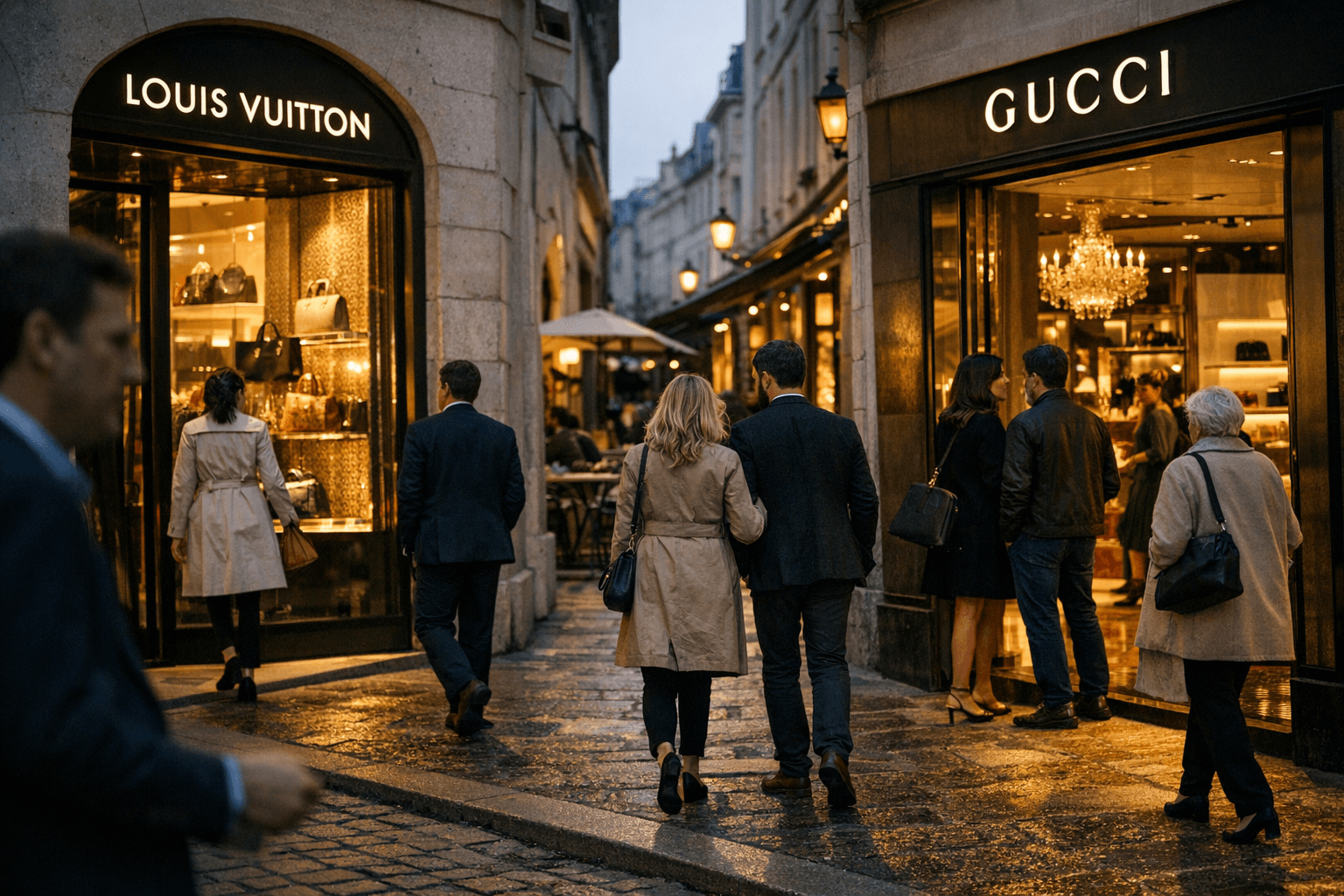
The real estate picture underneath these decisions is stark. Vacancy rates on Europe's best retail streets are at record lows, and prime rents grew 3.5% in 2025. Demand from luxury brands has not softened heading into 2026; according to Cushman & Wakefield's analysis, if deal volumes slow this year it will be because available space has run out, not because brand appetite has. That constraint is a structural advantage for the largest houses, which can absorb rising rents and compete for leases that smaller brands simply cannot reach.
"The physical store is more strategic, not less," Bruer said. The 2025 total of 96 openings is disciplined by design: higher than 2024, but still below the 107 recorded in 2023. The groups expanding now are not betting against the slowdown. They are betting that when selective, deliberate buyers do spend, they will want somewhere worth walking into.
Know something we missed? Have a correction or additional information?
Submit a Tip