Oscars Close Red Carpet Season While Lululemon Loses Its Way
Jessie Buckley wore Chanel, men ditched the tuxedo, and Lululemon reported quarterly results without a CEO. Here's what awards season really revealed about luxury strategy.
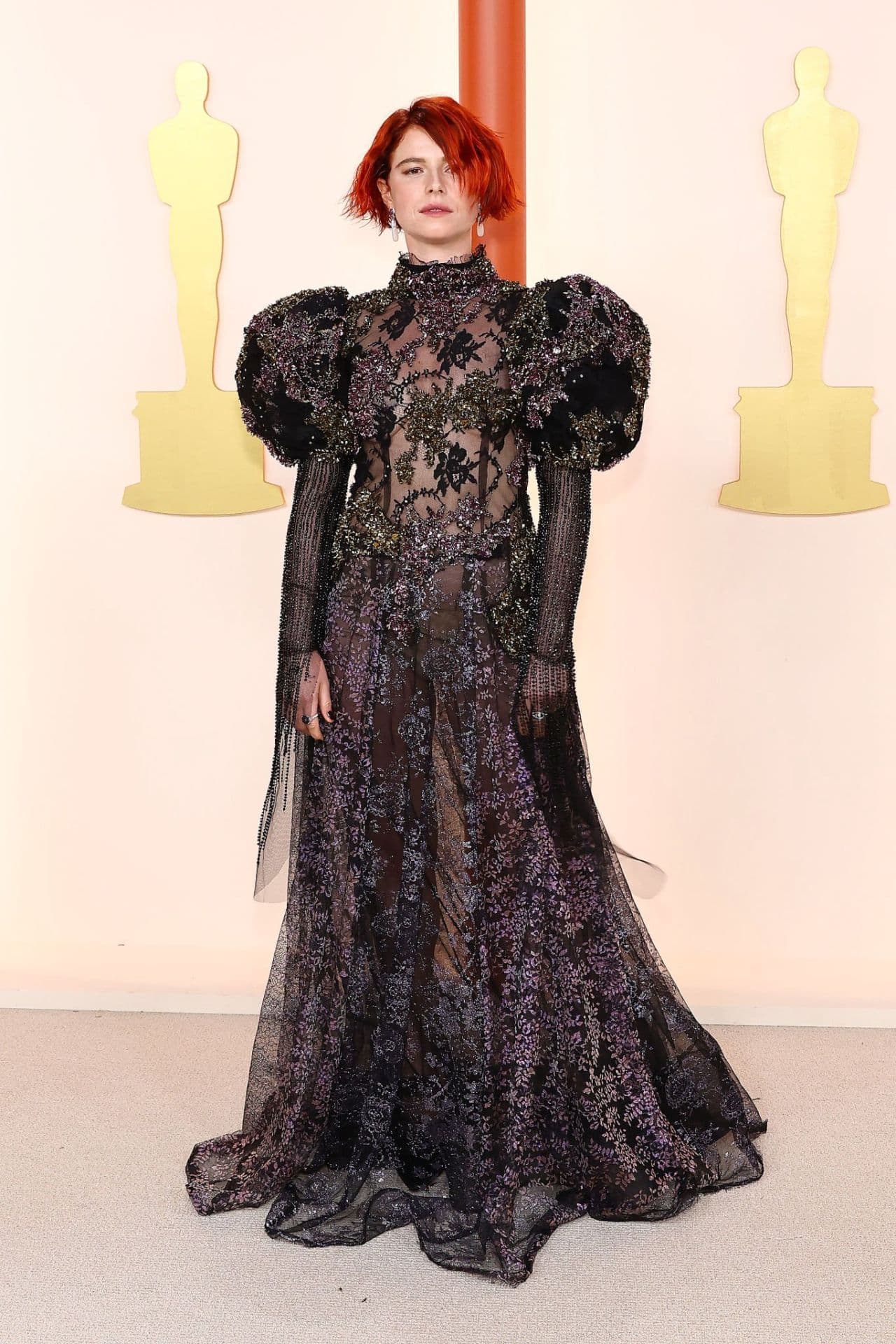
The 98th Academy Awards closed out what the Business of Fashion called "a high-stakes awards season for fashion," and the real story was never about the gowns. It was about which luxury houses used the months-long runway of awards ceremonies to credibly reposition themselves, and which ones simply showed up.
Vanity Fair's revamped after-party served as the final punctuation mark, giving brands one last stage to consolidate whatever narrative they had been building since the Golden Globes. The question BoF put plainly: who actually won fashion's red carpet season of change?
The Celebrity Placement Is the Strategy
Awards season has always been a vehicle for brand visibility, but this cycle felt different in its deliberateness. Fashion's biggest labels used the season to show off their new creative game, treating celebrity dressing not as a perk but as a primary communications channel. Heritage storytelling ran alongside fresh placement decisions, with houses apparently weighing whether to dress the same reliable circuit of A-listers or make a more unexpected, directional statement.
Jessie Buckley, the "Hamnet" actress who has carved out a reputation for thoughtful, slightly left-of-centre choices, wore Chanel to the 2026 Oscars. It is exactly the kind of pairing that signals intent: not a commercial celebrity whose every red carpet moment is calculated for maximum algorithm reach, but a critically respected actress whose association with a house reads as editorial conviction rather than cheque-writing. Chanel, a brand built on the idea that taste is more powerful than trend, choosing Buckley says something considered.
Why the Tuxedo Lost the Room
The shift in men's dressing deserves its own conversation, because it has been building for several seasons and the Oscars appeared to crystallise it. Hollywood's leading men are trading unassuming tailoring for a playful, but still refined, approach to event dressing. The reliable black tuxedo, once the safest possible choice, now reads as a forfeited opportunity.
This is not about excess or costume. The word "playful" matters here precisely because it sits alongside "refined." The ambition is not to shock but to signal personality within structure, which is a much harder brief to execute than simply wearing a well-cut Brioni. It requires a designer willing to take that risk with a client, and a client secure enough to carry it. That combination is becoming the new standard rather than the exception.
Fragrance Steps Out of the Gift Bag
One of the more intriguing signals from this awards season is the emergence of fragrance as a red carpet accessory in its own right. This is still a developing story with the specific mechanics still unfolding, but the directional shift is significant. Fragrance has long been the category luxury houses use to democratise access to their universe, priced as an entry point while the ready-to-wear sits in another financial stratosphere entirely. Using it as a red carpet communication tool suggests brands are thinking more holistically about what "being dressed" by a house actually means. It is no longer just the gown or the suit. The full sensory identity of a brand is now fair game for the step-and-repeat.
The Autonomy Economy and What It Tells Us About Luxury Marketing
Separate from the red carpet itself, the marketing conversation running parallel to awards season reveals something about where luxury brands think consumer sentiment is heading. The framing that "brands are breaking up with the romantic binary to monetise the full lifecycle of love, trading traditional narratives for a lucrative autonomy economy" is a striking piece of strategic positioning. The "dump him" impulse, reframed as self-investment and personal agency rather than heartbreak, is exactly the kind of cultural pivot that allows a luxury brand to sell the same aspirational product to the same consumer at a different emotional moment. It is less a trend story than a targeting story.
Lululemon Without a Rudder
The contrast with Lululemon's week could not be sharper. While luxury houses were executing choreographed celebrity strategies at the Oscars, Lululemon reported its quarterly results with the CEO job still vacant. That combination, publishing financial results while the company's most senior leadership position sits empty, is the corporate equivalent of a ship announcing its arrival time without anyone on the bridge.
The "adrift" framing is apt. Lululemon built one of the most remarkable brand loyalty stories in contemporary retail, converting activewear into identity and community into commerce. But brand momentum is not self-sustaining, and a CEO vacancy at the moment when competitors are sharpening their athleisure propositions represents a genuine strategic vulnerability. Without a named leader to set direction, articulate vision to investors, and make the calls that define a brand's next chapter, quarterly results become harder to contextualise and harder to trust.
Lake and the Problem of Category Extension
The week's other corporate story was quieter but equally instructive about the difficulty of translating brand loyalty across categories. Lake, the Savannah, Georgia-based pajama brand that has built a devoted following for its super-soft pyjamas, is launching its first daywear collection. The challenge the brand faces is one that every successful niche label eventually confronts: the customer who loves you in one context does not automatically follow you into another.
Sleepwear loyalty is intimate and tactile; it is about how something feels against skin at the most private moments of the day. Daywear competes on entirely different terms: fit, versatility, styling, and the visual language of how a garment reads when you are visible to the world rather than retreating from it. Lake's devoted following is real, but devotion earned in the bedroom does not transfer automatically to a competitive ready-to-wear category where the field is considerably more crowded. The question is whether their fabric quality and customer trust are transferable assets or context-dependent ones.
What This Season Actually Revealed
Strip away the individual placement decisions and the Oscars red carpet told a coherent story about where luxury brand strategy is heading. Celebrity relationships are being curated more carefully, with an eye toward critical credibility as much as commercial reach. Men's dressing is being treated as a genuine creative conversation rather than a box-ticking exercise. And the boundaries of what constitutes a brand's red carpet presence, gown, fragrance, after-party sponsorship, and cultural narrative, are expanding in every direction.
The houses that understood awards season as a strategic platform rather than a visibility exercise are the ones that will carry genuine momentum into the rest of 2026. The ones that dressed the room without a point of view will have to wait until next January to try again.
Know something we missed? Have a correction or additional information?
Submit a Tip