12 Ethical Sandals Spotlight Cork, Grape Leather, and Recycled Materials
The smarter sandal story is not about pretty straps, but about cork, grape leather, repairability, and what happens when summer ends.
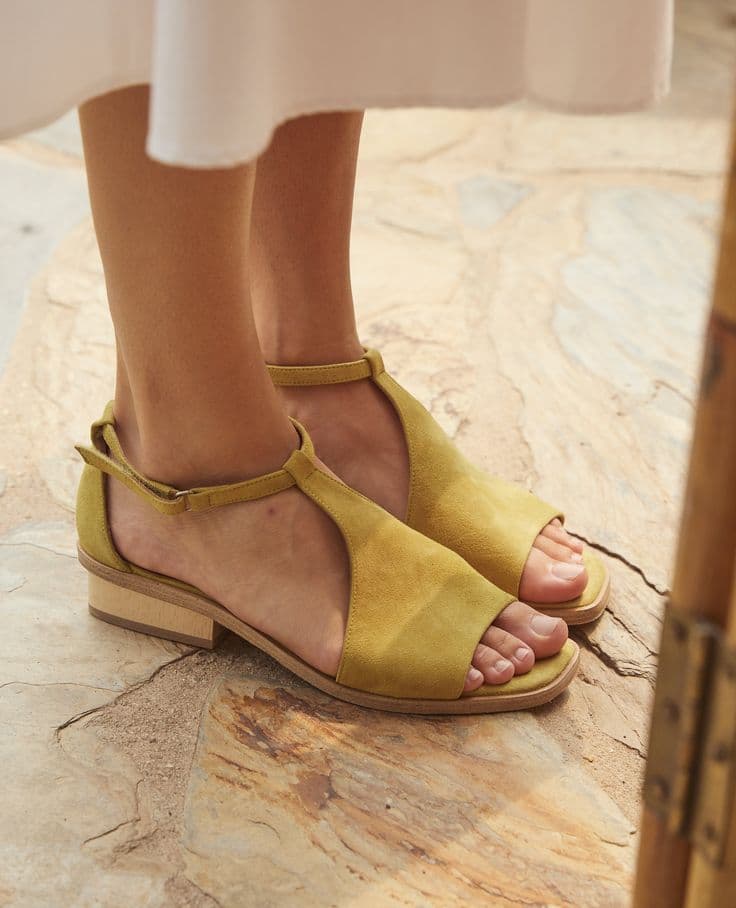
The cleanest sandals on the market are only as good as their material story, and that story has to survive contact with real life. Good On You’s latest sandal roundup pushes the conversation past branding and into the practical questions that matter: what a shoe is made from, whether it can be repaired, and if it will still hold up after a season of hard wear.
1. Cork is the low-key material with real appeal
Cork keeps showing up in ethical footwear because it starts with a renewable bark harvested from the cork oak tree, Quercus suber. That gives it a better opening act than many synthetic materials, especially when brands want a natural-looking sandal with a softer, more breathable feel. But the point is not just that cork sounds earth-friendly; the point is whether it is built into a sandal that lasts long enough to justify the choice.
2. Natural rubber is only as good as its sourcing
Good On You notes that more sustainable sandals often lean on more responsibly sourced natural rubber, and that distinction matters. Rubber can be a smart alternative when it brings flexibility and grip without leaning on heavier virgin plastics, but responsible sourcing is the real test. If the material is hard to trace, the eco story starts to fray.
3. Recycled materials are better, but not a free pass
Recycled materials matter because they keep existing resources in use, and sandals made with recycled components can reduce dependence on virgin inputs. Still, recycled content is not the same thing as circular design. A sandal can contain recycled material and still be impossible to repair, difficult to recycle, or padded with so much plastic that its end-of-life is a dead end.
4. Grape leather gives vegan footwear a more interesting origin story
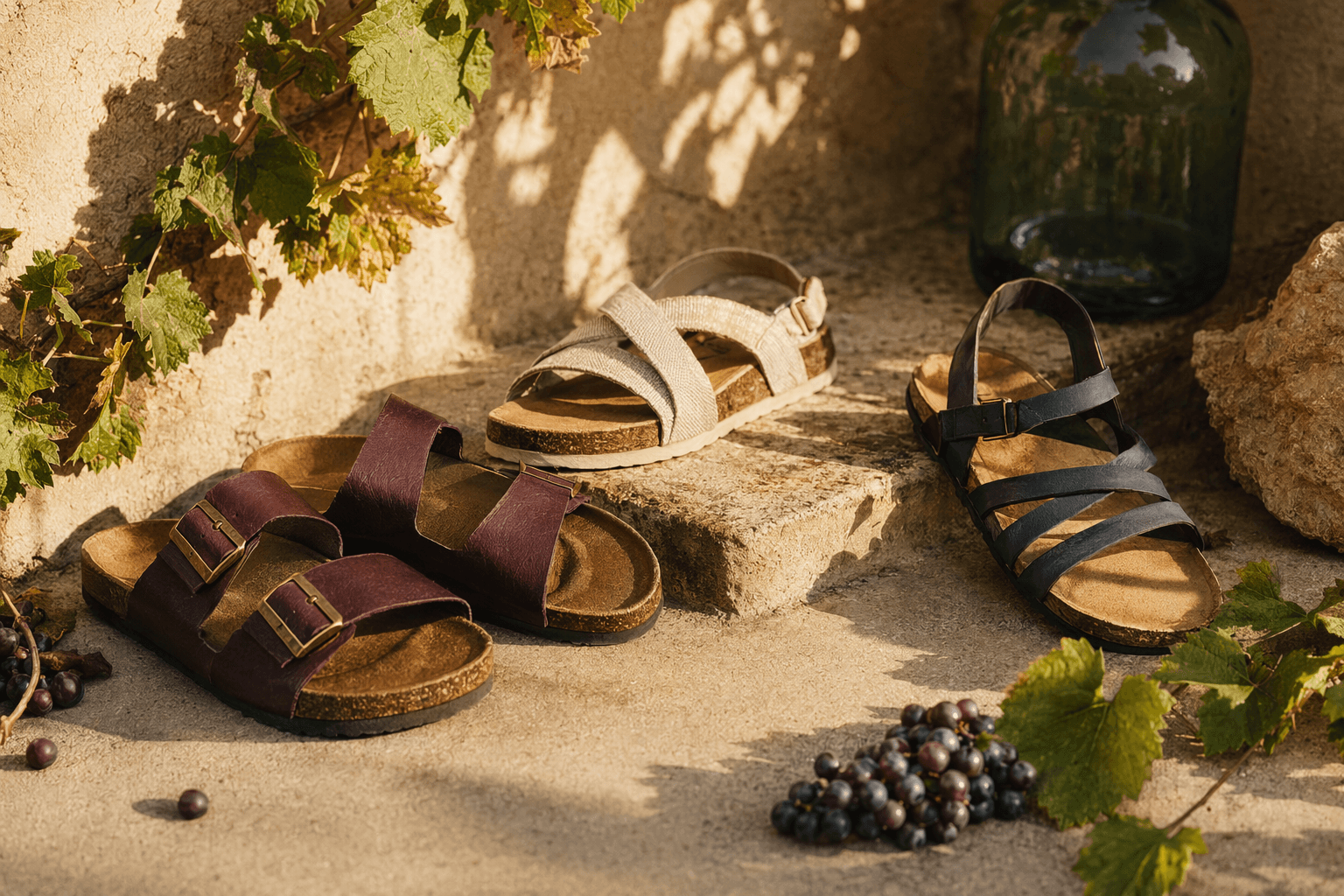
Grape leather has become one of the most compelling names in vegan fashion because it reframes waste as a resource. In this space, GANNI describes VEGEA as being made from agricultural-industry waste, including grape leftovers from winemaking. That kind of material story is stronger than vague plant-based branding because it points to an actual waste stream, not just a fashionable label.
5. VEGEA is the material to watch in the post-winemaking supply chain
GANNI says it launched its first VEGEA products in 2021 and continued adding VEGEA shoes in 2022, which shows how quickly the material moved from novelty to repeat use. That matters because one-off capsules often tell you very little about whether a material can really scale. When a brand keeps using a material across collections, it suggests the supply chain is doing more than staging a good story for one season.
6. Vegan does not automatically mean low-impact
This is where consumers need to stay sharp. Vegan alternatives can be a step away from animal leather, but they may still rely on plastics, coatings, or composite structures that complicate recycling later on. The most useful question is not whether a sandal is vegan, but how much plastic content it carries and whether any part of it can actually be separated at the end of its life.
7. Repairability is the most underrated luxury
Good On You’s broader shoes coverage makes the case plainly: investing in higher-quality shoes and repairing them when needed is more sustainable for the planet and for your budget. That logic applies especially to sandals, which often look simple but fail quickly when soles detach, straps stretch, or footbeds flatten. A sandal that can be resoled, restitched, or refreshed will outlast almost any trend cycle.
8. Durability should be the first thing you buy
The European Commission wants textile products placed on the EU market to be durable, repairable, recyclable, largely made from recycled fibers, free of hazardous substances, and produced with respect for social rights and the environment. That is not just policy language, it is a blueprint for better shopping. If a sandal feels delicate from the start, the sustainability claim is already on shaky ground.
9. End-of-life is where the real test begins
A sandal’s environmental promise should not vanish once the last warm day passes. Durable materials, repairable construction, and recyclable components matter because they determine whether the shoe can stay in circulation or become waste. Too many products are designed to look conscientious upfront while ignoring the mess they create when they wear out.
10. The waste numbers make the sandal debate feel less small
The scale is hard to ignore. The European Environment Agency estimated that around 16 kg of textile waste per person was generated in the EU in 2020, and only about a quarter was collected separately for reuse and recycling. A European Parliament briefing citing European Commission data also says the EU generates 12.6 million tonnes of textile waste a year, which makes even a pair of sandals part of a much larger system.
11. Unsold stock is part of the problem too
In February 2026, the European Commission said new ecodesign measures will help stop the destruction of unsold clothes, accessories, and footwear. It also estimated that 4 to 9 percent of unsold textiles in Europe are destroyed before ever being worn. That is the ugly backdrop to the cheerful language of seasonal shopping, and it is why material choices have to be paired with smarter production and less waste.
12. The bigger sustainability shift is already visible in footwear
UNEP says the textile industry produces 2 to 8 percent of global greenhouse-gas emissions and uses 86 million Olympic-sized swimming pools of water each year, which is a staggering reminder that footwear is never just footwear. The best ethical sandals now point toward a broader circular-fashion shift, one that favors fewer compromises, more traceable materials, and products built to be worn, repaired, and kept in play. That is the real upgrade, not just a better-looking summer shoe.
This article was produced by Prism’s automated news system from verified source data, official records, and press releases, then run through automated quality and moderation checks before publishing. The system is built and supervised by the people who set the standards it runs under. Read our full AI policy.
Did this article answer your question?


